US-Israel strike on Iran could push oil past $100
The 30-Second Skim7 points
- What happenedThe joint U.S.–Israel strike on Iran has sparked fears of a Hormuz shutdown, which could lift crude prices above $100 a barrel and push the global economy toward a significant recession.
- Key facts & numbersU.S. and Israel launched a joint attack on Iran, prompting concerns of retaliation that could disrupt oil flows through the Strait of Hormuz. Iran produces just over 3 million barrels of oil per day, making it the fourth‑largest OPEC producer and a key supplier through the Hormuz strait. Bob McNally warned that crude futures could rise $5‑$7 per barrel at the market opening, and that a prolonged Hormuz closure would trigger a global recession.
- What happens nextMost coverage screams recession, but the piece notes Saudi and UAE pipelines that could sidestep the strait – a rarely‑highlighted buffer.
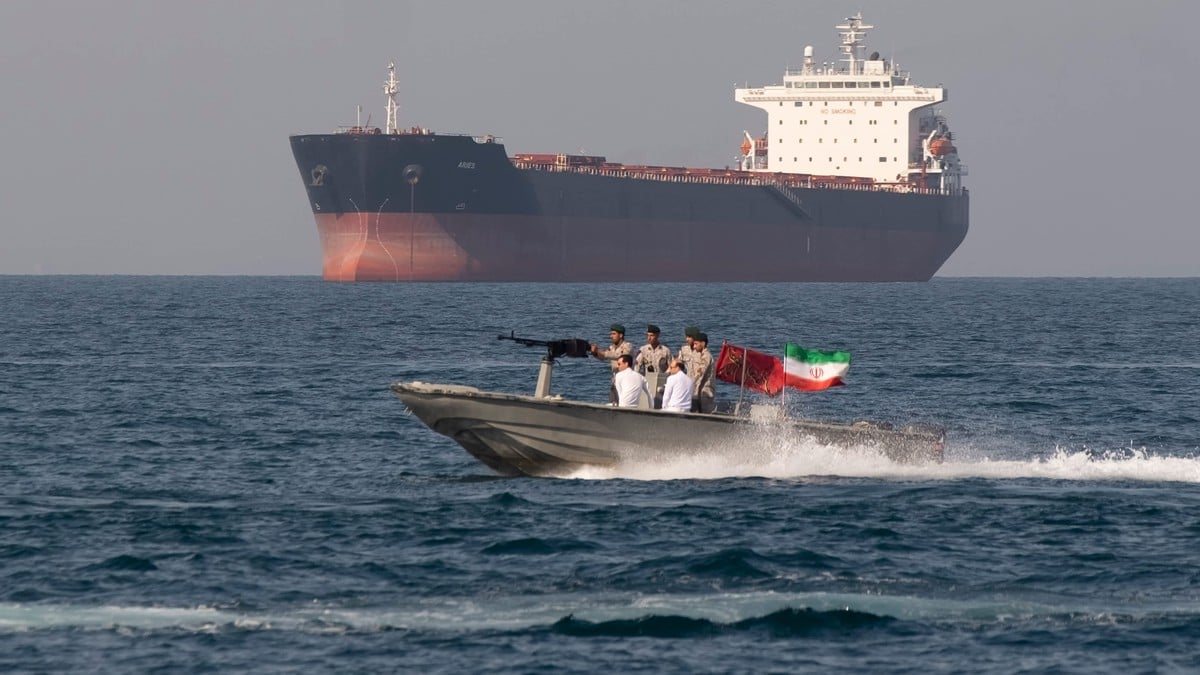
- U.S. and Israel launched a joint attack on Iran, prompting concerns of retaliation that could disrupt oil flows through the Strait of Hormuz.
- Iran produces just over 3 million barrels of oil per day, making it the fourth‑largest OPEC producer and a key supplier through the Hormuz strait.
- Bob McNally warned that crude futures could rise $5‑$7 per barrel at the market opening, and that a prolonged Hormuz closure would trigger a global recession.
- Kpler data show that about 14 million barrels per day—roughly a third of world seaborne crude—flow through the Strait, with three‑quarters destined for China, India, Japan and South Korea.
Why It Matters
The risk of a Hormuz shutdown could push crude prices above $100, hurting global economies while benefitting oil producers and insurers who can raise rates; the U.S. may need to draw on its Strategic Petroleum Reserve to cushion the shock.
Sources Cited
Related Coverage
Ask SkimNews
The day’s news in one short email, every morning.
Free. One email a day. Unsubscribe in one click.