Can Iran’s ‘Asian friends’ reopen Hormuz when the US cannot?
The 30-Second Skim7 points
- What happenedAs Iran attends back-to-back SCO and BRICS summits starting August 30, the article argues that despite Asian nations' heavy dependence on the Strait of Hormuz, divergent incentives—exemplified by Russia's $1.3-1.9 billion oil windfall and China's refusal to help during Trump's naval blockade—mean these forums will likely produce back-channel diplomacy, not a breakthrough.
- Key facts & numbersStrait of Hormuz shipping collapsed from 130-140 vessels daily to single digits after US-Israeli attacks prompted Iran's closure, choking the 20+ million barrels of crude that previously passed through daily and supplying 95% of Japanese and 70% of South Korean oil imports. Russia has banked an estimated $1.3-1.9 billion windfall as Asian buyers pivoted to Russian crude, with a Chatham House study calling the Iran war "an economic gift for Putin" while Western sanctions squeeze Moscow's economy. India faces the most acute urgency among the summit hosts: 60% of its LNG imports and 90% of those pass through Hormuz, and its Russian crude imports surpassed 50% of total imports in June 2026 as it pivoted away from Hormuz-dependent suppliers.
- What happens nextThe hidden story: Russia's making a billion while everyone else fights. Meanwhile Tokyo and Seoul are quietly watching their reserves drain.
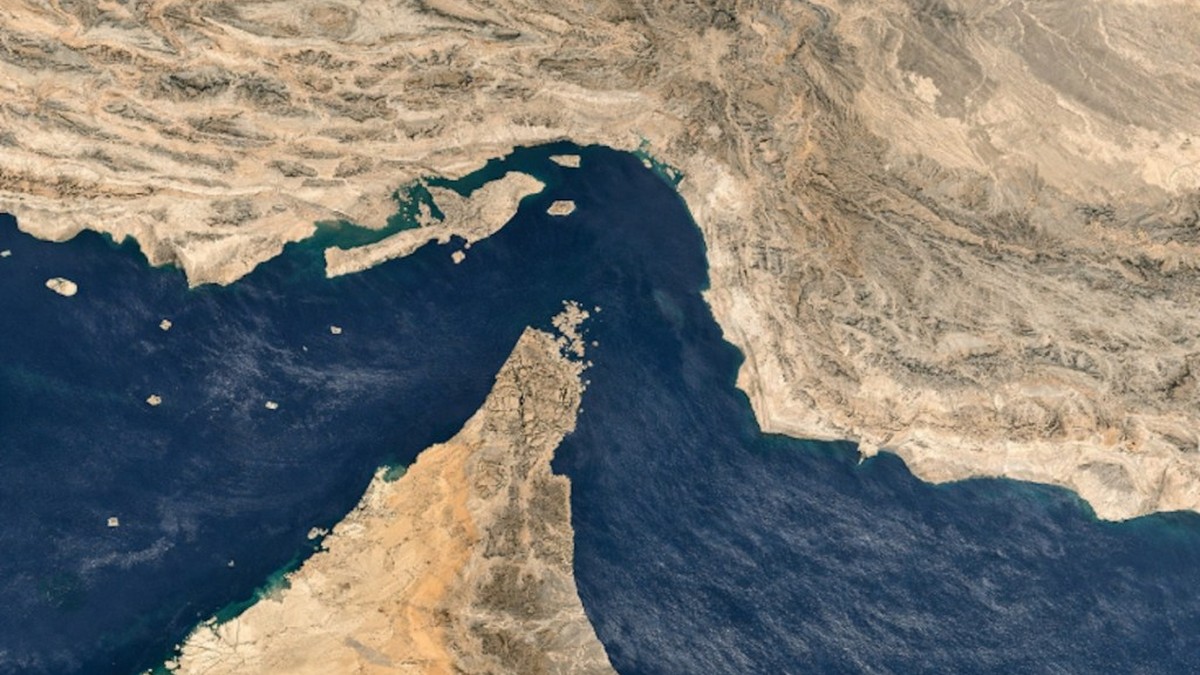
- Strait of Hormuz shipping collapsed from 130-140 vessels daily to single digits after US-Israeli attacks prompted Iran's closure, choking the 20+ million barrels of crude that previously passed through daily and supplying 95% of Japanese and 70% of South Korean oil imports.
- Russia has banked an estimated $1.3-1.9 billion windfall as Asian buyers pivoted to Russian crude, with a Chatham House study calling the Iran war "an economic gift for Putin" while Western sanctions squeeze Moscow's economy.
- India faces the most acute urgency among the summit hosts: 60% of its LNG imports and 90% of those pass through Hormuz, and its Russian crude imports surpassed 50% of total imports in June 2026 as it pivoted away from Hormuz-dependent suppliers.
- Pakistan brokered the April two-week US-Iran ceasefire—the first direct US-Iran talks since 1979 between J.D. Vance and Mohammad Ghalibaf—blessed by Iran's new supreme leader Mojtaba Khamenei after a "last-minute nudge by China," but the talks failed to produce an agreement.
Why It Matters
The summit fortnight exposes a gap between optics and action: Russia and China have financial reasons to let the crisis drag on, while India—whose LNG imports depend on the Strait—has the most urgent stake but limited leverage. Pakistan's 1971 Kissinger-to-Beijing playbook shows quiet triangulation can work, but the article argues any real progress will happen in summit margins, not communiqués, leaving the Strait closed and global energy prices elevated through at least India's BRICS chair.
Sources Cited
Related Coverage
Ask SkimNews
The day’s news in one short email, every morning.
Free. One email a day. Unsubscribe in one click.