How Canadians are bracing for the impact of Trump’s trade war
The 30-Second Skim7 points
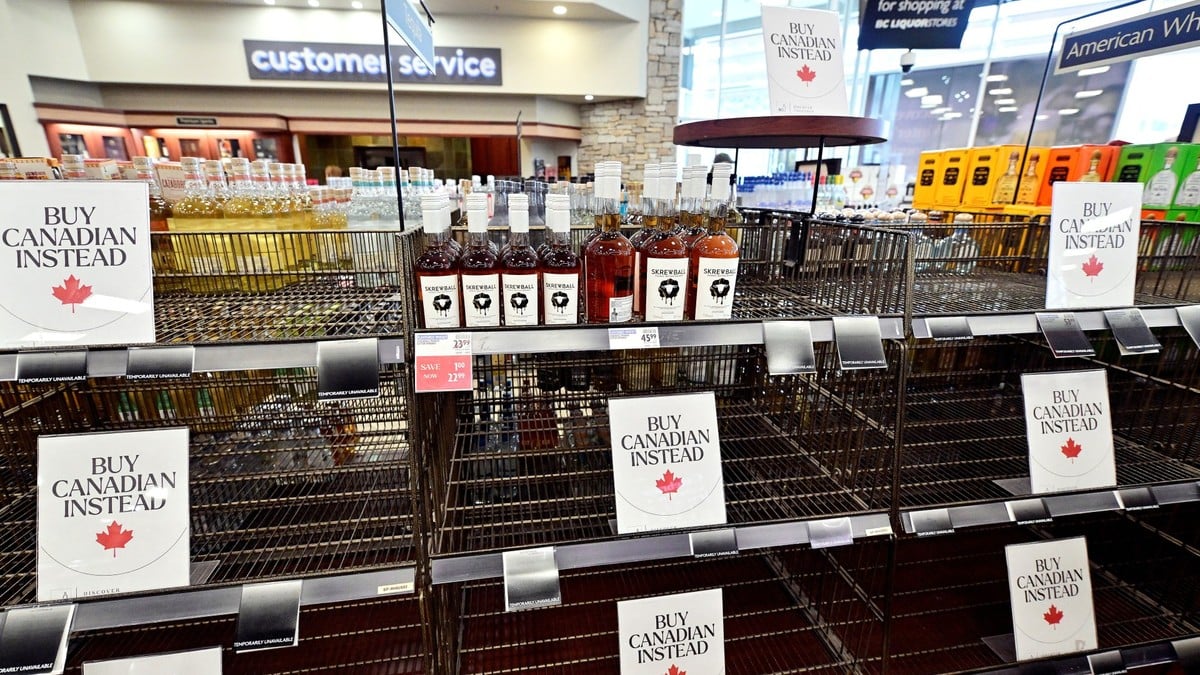
- What happenedCanadians are doubling down on buying domestic goods as a new round of US tariffs of 50% on roughly $20 billion of Canadian products took effect August 22, prompting a matching Canadian retaliation and raising fears of price hikes.
- Key facts & numbersUS tariffs of roughly 50% on about $20bn of Canadian products — including machinery, textiles and hockey sticks — took effect on August 22 after trade negotiations collapsed. Canada retaliated with tariffs of 15–50% on roughly $20bn of US imports covering steel, aluminium, dairy, appliances, clothing and cosmetics, which Prime Minister Mark Carney framed as a "dollar-for-dollar" response. Carney accused the US of inserting last-minute demands that were "uneconomic, unfair and undermined the net benefits for Canada" during the failed talks.
- What happens nextThe other-source titles all frame Trump as 'war-first' — totally missing the grocery-aisle story here: 70% of Canadians will pay 40% more just to dodge US goods.
- US tariffs of roughly 50% on about $20bn of Canadian products — including machinery, textiles and hockey sticks — took effect on August 22 after trade negotiations collapsed.
- Canada retaliated with tariffs of 15–50% on roughly $20bn of US imports covering steel, aluminium, dairy, appliances, clothing and cosmetics, which Prime Minister Mark Carney framed as a "dollar-for-dollar" response.
- Carney accused the US of inserting last-minute demands that were "uneconomic, unfair and undermined the net benefits for Canada" during the failed talks.
- Oxford Economics estimates that only about 0.25% of the average Canadian consumer basket is directly affected by the new tariffs, because many targeted goods are business inputs rather than retail products — though packaging materials like cans, glass and plastic films could push food prices up indirectly.
Why It Matters
With roughly $40 billion in tariffs now flowing in both directions and businesses already absorbing at least half the cost, Canadian retailers are nearing the limits of how much they can shield shoppers — making the next several weeks the real test of whether the buy-local movement, backed by 70% of consumers willing to pay a 40% premium, holds up under sustained price pressure.
Sources Cited
Related Coverage
Ask SkimNews
The day’s news in one short email, every morning.
Free. One email a day. Unsubscribe in one click.