China Drills Nuclear Response as Taiwan War Risks Mount
The 30-Second Skim7 points
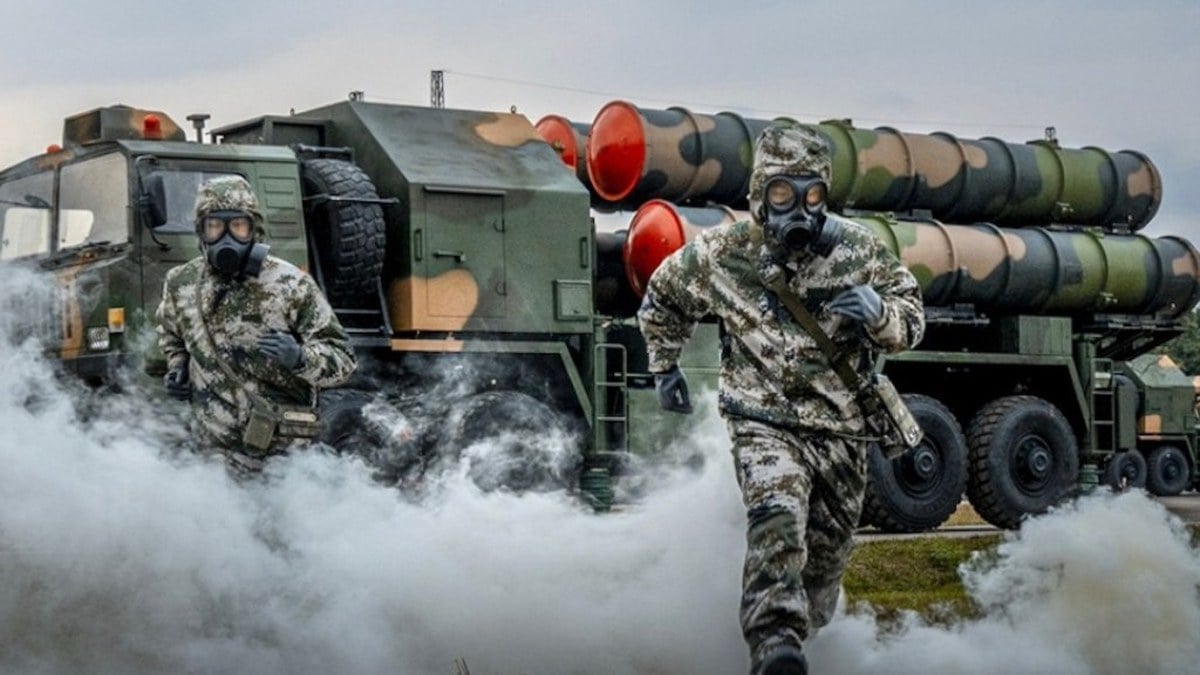
- What happenedChina's Eastern Theater Command conducted a nuclear-attack-response drill at an unspecified naval base in the Taiwan Strait region, deploying CBRN teams with uncrewed helicopters and handheld detectors, as analysts debate whether a Taiwan conflict could trigger limited but dangerously escalating nuclear use in the Indo-Pacific.
- Key facts & numbersChina's Eastern Theater Command conducted a military drill simulating nuclear attack response at an unspecified naval base, with CBRN defense teams using uncrewed helicopters and handheld detectors to identify radiation spread and carry out decontamination in contaminated zones Greg Weaver and Matthew Kroenig of the Atlantic Council argue the US could consider limited nuclear first use against PLA Navy vessels and invasion forces in a Taiwan scenario, noting amphibious landing fleets are 'almost uniquely vulnerable' and that targeting maritime assets could reduce collateral damage David Kearn of War on the Rocks counters that proposed US first use of tactical nuclear weapons in the Pacific is a short-sighted overreaction, arguing it lacks credibility given ambiguous US commitments to Taiwan and would risk Chinese retaliation, alarm allies, and undermine non-proliferation efforts
- What happens nextThe real headline buried in here: China has already done the math on Japan going nuclear and concluded it could happen fast. That's the proliferation clock nobody's tracking.
- China's Eastern Theater Command conducted a military drill simulating nuclear attack response at an unspecified naval base, with CBRN defense teams using uncrewed helicopters and handheld detectors to identify radiation spread and carry out decontamination in contaminated zones
- Greg Weaver and Matthew Kroenig of the Atlantic Council argue the US could consider limited nuclear first use against PLA Navy vessels and invasion forces in a Taiwan scenario, noting amphibious landing fleets are 'almost uniquely vulnerable' and that targeting maritime assets could reduce collateral damage
- David Kearn of War on the Rocks counters that proposed US first use of tactical nuclear weapons in the Pacific is a short-sighted overreaction, arguing it lacks credibility given ambiguous US commitments to Taiwan and would risk Chinese retaliation, alarm allies, and undermine non-proliferation efforts
- China's nuclear arsenal is estimated at approximately 600 warheads as of 2025 and could exceed 1,000 by 2030, making it the fastest-growing nuclear force among nuclear-armed states, per Hans Kristensen and other writers in the Bulletin of the Atomic Scientists
Why It Matters
With China's arsenal potentially crossing 1,000 warheads by 2030 and US extended deterrence in the Indo-Pacific losing credibility, a Taiwan crisis is the most likely flashpoint where limited nuclear use gets discussed in policy circles. Japan emerging as the canary in the coalmine — Chinese experts openly estimating a sub-three-year breakout timeline — means proliferation pressure is no longer theoretical. Any US offset strategy that leans on tactical nuclear weapons against PLAN invasion forces risks the very escalation it aims to prevent, per the analysts cited.
Sources Cited
- South China Morning PostPLA troops facing Taiwan Strait and Japan simulate response to nuclear attack
Related Coverage
Ask SkimNews
The day’s news in one short email, every morning.
Free. One email a day. Unsubscribe in one click.