China Tests SLBM From Nuclear Submarine in Pacific
The 30-Second Skim
- What happened: China test-fired an SLBM into the Pacific from a nuclear-powered submarine — only its third-ever open-ocean long-range launch and first from a sub — underscoring its push to complete a nuclear triad and signaling sharpening Asia-Pacific tensions.
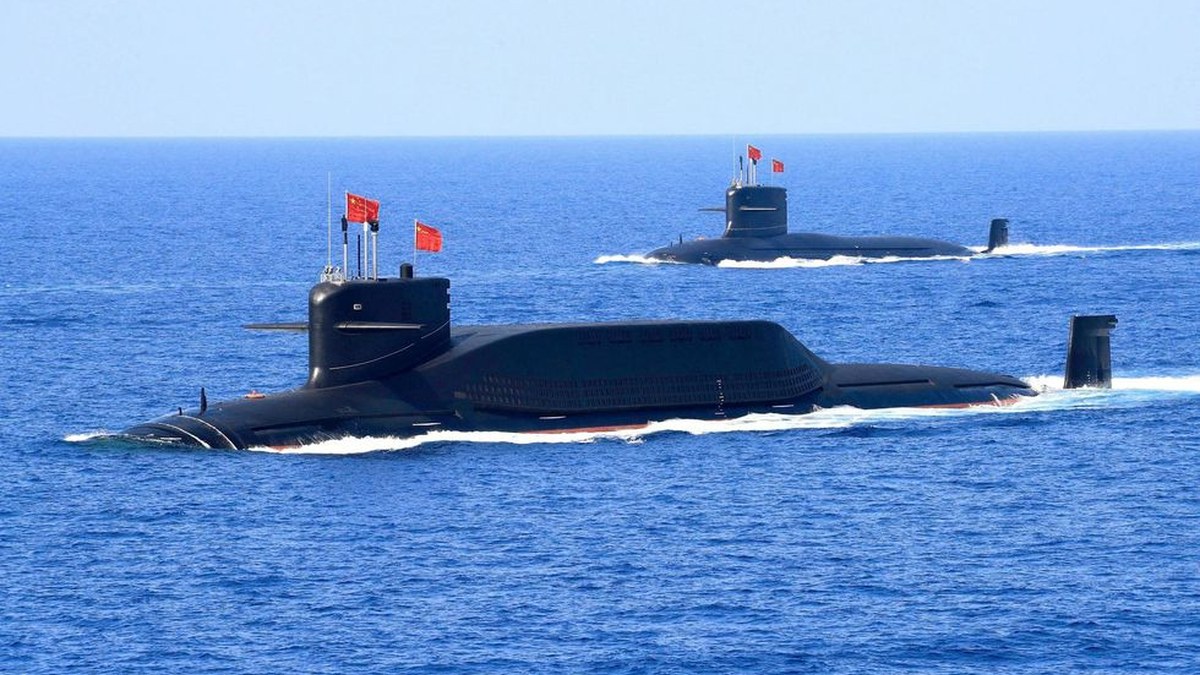
- Key facts & numbers: China test-fired a long-range SLBM into the South Pacific on Monday, only the third time it has launched a long-range missile directly into the Pacific (after 1980 and September 2024), and the first launched from a nuclear-powered submarine rather than a ground-based launcher. China's nuclear triad — which also includes ground-based launchers and air-to-ground weapons — has its submarine leg identified by nuclear experts as the weakest link; open-ocean launches validate guidance accuracy across intercontinental distances and full-trajectory flight performance that domestic lofted-trajectory tests cannot replicate. The launch came days after a reported U.S. deployment of an Iron Dome-type missile defense system in Japan and hours after Australia and Fiji signed a formal mutual defense treaty — timing the source flags as potentially meaningful given Beijing's displeasure at expanding regional missile-defense architecture and Pacific security ties.
- What happens next: Most outlets frame this as 'rare.' The deeper story: China's first-ever SLBM from a nuclear sub — plugging the missing leg of its nuclear triad.
- China test-fired a long-range SLBM into the South Pacific on Monday, only the third time it has launched a long-range missile directly into the Pacific (after 1980 and September 2024), and the first launched from a nuclear-powered submarine rather than a ground-based launcher.
- China's nuclear triad — which also includes ground-based launchers and air-to-ground weapons — has its submarine leg identified by nuclear experts as the weakest link; open-ocean launches validate guidance accuracy across intercontinental distances and full-trajectory flight performance that domestic lofted-trajectory tests cannot replicate.
- The launch came days after a reported U.S. deployment of an Iron Dome-type missile defense system in Japan and hours after Australia and Fiji signed a formal mutual defense treaty — timing the source flags as potentially meaningful given Beijing's displeasure at expanding regional missile-defense architecture and Pacific security ties.
- Beijing characterized the launch as 'routine' training, yet regional dynamics are hardening: Japan PM Sanae Takaichi's November 2025 remarks linking Taiwan's defense to Japan's survival, Filipino defiance in the South China Sea, and stepped-up China-Russia joint military exercises all cited as evidence of a sharpening security dilemma.
Why It Matters
China's first SLBM launch from a nuclear-powered submarine closes the weakest leg of its nuclear triad, moving Beijing toward a survivable second-strike capability the U.S. and Japan cannot fully neutralize even with expanded regional missile defense. Arriving days after a U.S. Iron Dome-type deployment in Japan and an Australia-Fiji defense pact, the timing risks locking the Asia-Pacific into the action-reaction arms cycle the source warns against.
Sources Cited
- Responsible Statecraft — China just got one step closer to its own nuclear triad
Related Coverage
- China Tests Submarine-Launched Ballistic Missile in PacificForeign Policy
- China Fires SLBM From Type-094 Sub Into PacificGoogle News World
- China confirms third-gen nuclear sub fired Pacific ICBMStraits Times Asia
- CNA Explains: Why China's rare missile test is putting the Pacific on edgeChannel News Asia
Ask SkimNews