CNA Explains: Why China's rare missile test is putting the Pacific on edge
The 30-Second Skim
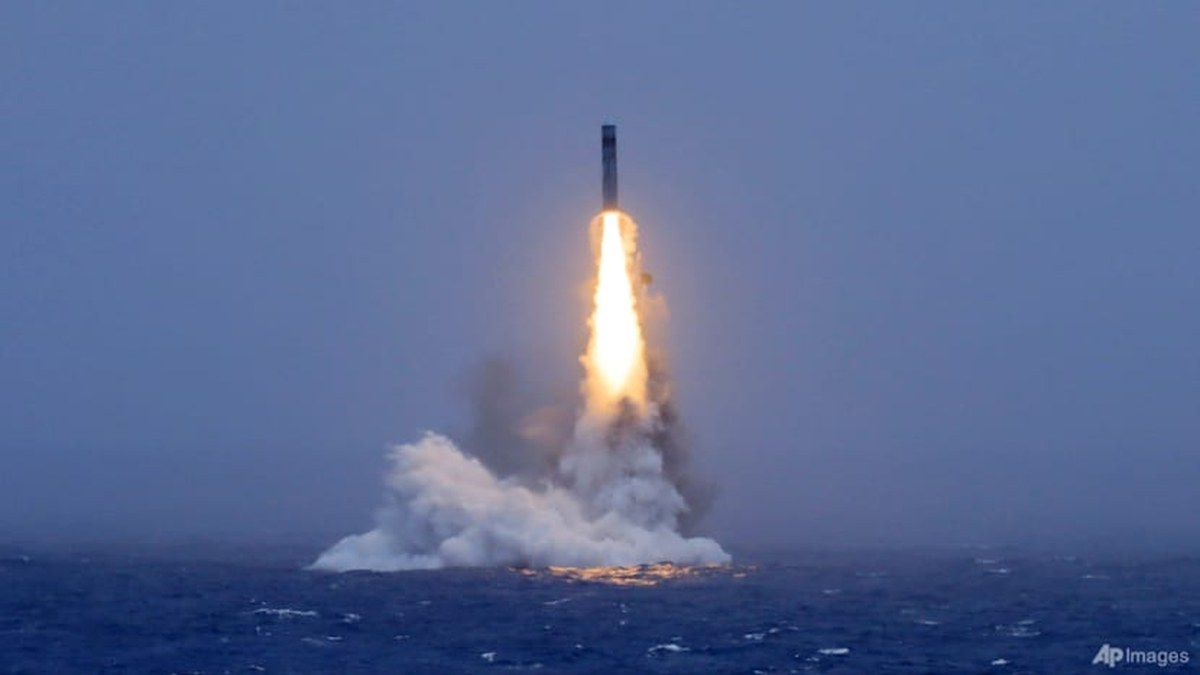
- What happened: China test-fired a submarine-launched ballistic missile approximately 7,300km into the South Pacific from a nuclear-powered submarine on July 6, drawing concern from Pacific nations, the United States, and analysts tracking China's rapid nuclear arsenal expansion.
- Key facts & numbers: China launched a long-range ballistic missile carrying a simulated training warhead from a nuclear-powered submarine on July 6, traveling about 7,300km before landing in international waters in the South Pacific — only its second ballistic missile test into international waters since 1980. Experts identified the missile as most likely the JL-2, which has a range of 8,000km, rather than the more advanced JL-3 (range exceeding 10,000km), noting the missile likely overflew parts of the Philippines before landing in the South Pacific Nuclear Free Zone established by the 1986 Treaty of Rarotonga, which China ratified in 1987. The United States said the few hours' advance notice it received fell "considerably short" of standards adopted by other P5 nuclear-weapon states, while New Zealand expressed concern over what it called a "recurring pattern" following a similar launch in 2024.
- What happens next: China's stockpile tripled to 600+ warheads in six years, and this is just its first publicly disclosed long-range SLBM shot. The timing — hours after the Aus-Fiji pact — is doing the opposite of what Beijing probably wanted.
- China launched a long-range ballistic missile carrying a simulated training warhead from a nuclear-powered submarine on July 6, traveling about 7,300km before landing in international waters in the South Pacific — only its second ballistic missile test into international waters since 1980.
- Experts identified the missile as most likely the JL-2, which has a range of 8,000km, rather than the more advanced JL-3 (range exceeding 10,000km), noting the missile likely overflew parts of the Philippines before landing in the South Pacific Nuclear Free Zone established by the 1986 Treaty of Rarotonga, which China ratified in 1987.
- The United States said the few hours' advance notice it received fell "considerably short" of standards adopted by other P5 nuclear-weapon states, while New Zealand expressed concern over what it called a "recurring pattern" following a similar launch in 2024.
- The test came hours after Australia and Fiji signed the Ocean of Peace mutual defense alliance; analysts are divided on whether the timing was deliberate, with one arguing Beijing's decision not to postpone "is itself an indicator of where China's priorities lie."
Why It Matters
China's stockpile has tripled to 600+ warheads in six years per CSIS, and this first publicly disclosed long-range SLBM test demonstrates a secure sea-based second-strike capability that analysts say could let China wield coercion below the nuclear threshold. The launch landing in the South Pacific Nuclear Free Zone — hours after Australia and Fiji signed a mutual defense pact — is now driving Pacific Island leaders toward a joint condemnation and closer alignment with Western partners rather than the intimidation Beijing may have intended.
Sources Cited
- Channel News Asia — CNA Explains: Why China's rare missile test is putting the Pacific on edge
Related Coverage
Ask SkimNews