China's SLBM Test Near Tuvalu: Routine or Provocation?
The 30-Second Skim7 points
- What happenedOn July 6, a Chinese submarine fired a nuclear-capable ballistic missile into the South Pacific near Tuvalu, with Beijing calling it routine training and regional allies denouncing it as destabilizing.
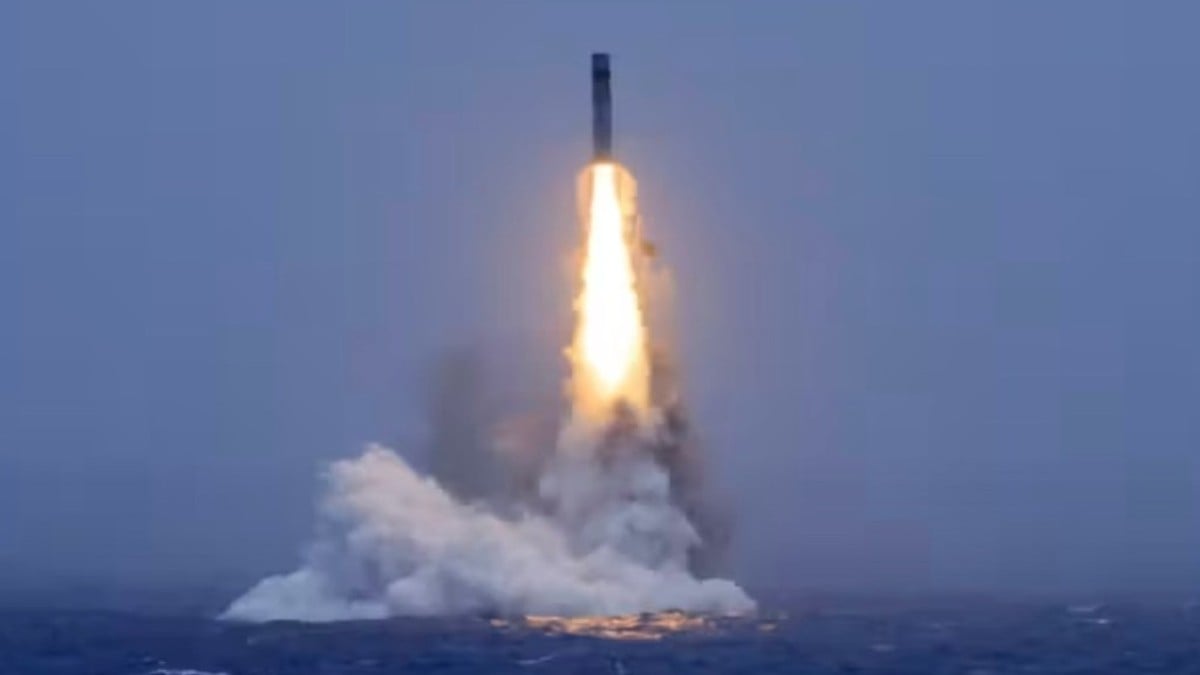
- Key facts & numbersChina's navy test-fired a submarine-launched ballistic missile carrying an inert dummy warhead on July 6 into international South Pacific waters, believed to have splashed down near Tuvalu, coinciding with the start of China's annual joint naval exercises with Russia. Beijing described the launch as a "routine part of China's annual military training program," said it was not directed at any country or target, and claimed other countries had been notified in advance. Australia, New Zealand, Taiwan, and Japan reacted with pointed concern, with Australian Foreign Minister Penny Wong calling the test "destabilizing" and Canberra complaining it received only hours of notice — which it says is "not consistent" with the Hague convention on ballistic missile testing.
- What happens nextOther outlets frame this as 'a message to the Pacific.' But SLBMs are second-strike weapons aimed at the US, not Fiji — and everyone tests them.
- China's navy test-fired a submarine-launched ballistic missile carrying an inert dummy warhead on July 6 into international South Pacific waters, believed to have splashed down near Tuvalu, coinciding with the start of China's annual joint naval exercises with Russia.
- Beijing described the launch as a "routine part of China's annual military training program," said it was not directed at any country or target, and claimed other countries had been notified in advance.
- Australia, New Zealand, Taiwan, and Japan reacted with pointed concern, with Australian Foreign Minister Penny Wong calling the test "destabilizing" and Canberra complaining it received only hours of notice — which it says is "not consistent" with the Hague convention on ballistic missile testing.
- The US, UK, Russia, France, and India all periodically conduct similar tests of unarmed strategic ballistic missiles, and the article argues SLBMs exist specifically to provide a credible second-strike capability against major nuclear powers — not to intimidate middle or small Pacific states.
Why It Matters
The alarm this test triggered in allied capitals is less about the missile than about who fired it. The asymmetry in reception signals how Beijing is now being read as a potential adversary rather than assessed on the technical merits of its launch.
Background & Timeline
- Editor contextSubmarine-launched tests are infrequent enough that their public disclosure functions as a deterrent signal—highlighting China's push to validate a sea-based second-strike capability, not merely demonstrate missile reach.
Sources Cited
- Channel News AsiaChannel News Asia
- The Strategist | ASPI's analysis and commentary siteChina’s Pacific ballistic missile test – Views from ASPI analysts
Related Coverage
Ask SkimNews