China, Korea Ply Arctic to Skip Suez
The 30-Second Skim7 points
- What happenedChinese and Korean shipping companies are increasingly using Russia's Northern Sea Route as a faster alternative to the Suez Canal, with Chinese firm Sea Legend launching weekly service and South Korea's PanStar Arco completing the first Korean transit since 2016.
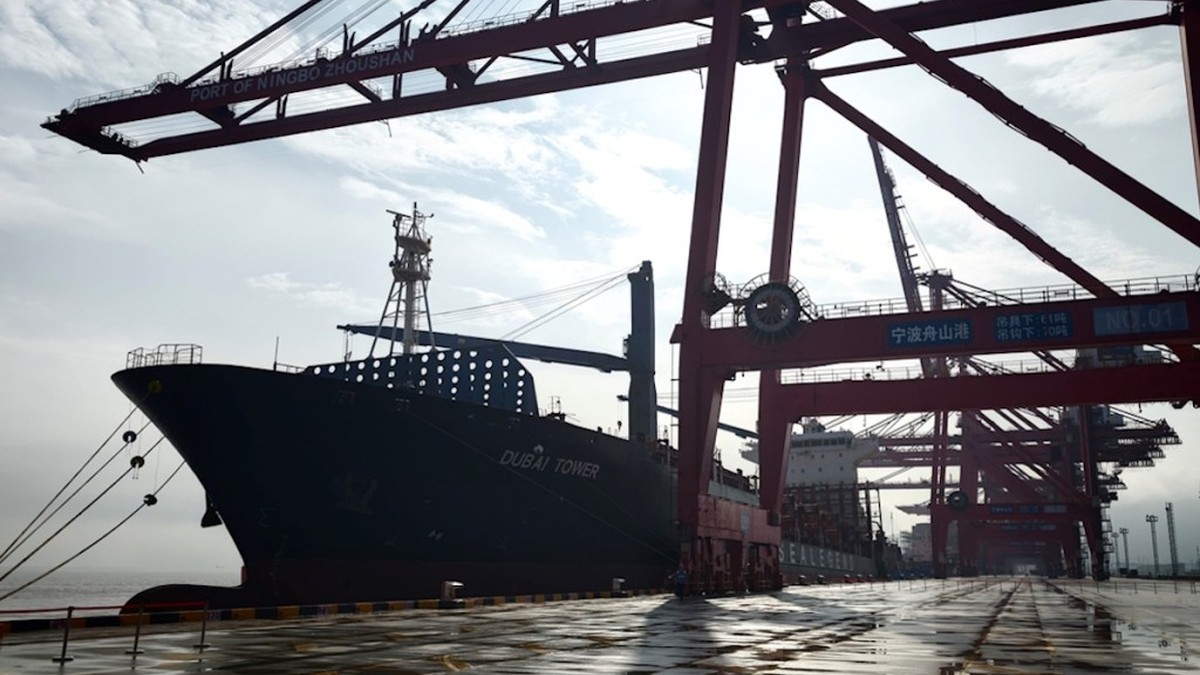
- Key facts & numbersSea Legend launched a weekly China-Europe container service on the Northern Sea Route; the Dubai Tower arrived at Teesport on September 9 after a 25-day voyage from Ningbo-Zhoushan, then proceeded to Hamburg and Gdynia carrying EVs, lithium-ion batteries, renewable energy equipment, and machinery. PanStar Arco became the first South Korean vessel to test the Northern Sea Route since 2016, departing Busan on August 22 and arriving at Felixstowe on September 12, Rotterdam on September 13, and Gdansk on September 16, with a 45-day round-trip planned. At least seven more Chinese container ships are expected to follow the route this year, on top of 29 Chinese vessels that reportedly used the Northern Sea Route in 2024.
- What happens nextThe Houthi missile threat accidentally opened a 20-day Arctic shortcut — and now Chinese and Korean ships are locking it in weekly while European politicians protest and ports roll out red carpets.
- Sea Legend launched a weekly China-Europe container service on the Northern Sea Route; the Dubai Tower arrived at Teesport on September 9 after a 25-day voyage from Ningbo-Zhoushan, then proceeded to Hamburg and Gdynia carrying EVs, lithium-ion batteries, renewable energy equipment, and machinery.
- PanStar Arco became the first South Korean vessel to test the Northern Sea Route since 2016, departing Busan on August 22 and arriving at Felixstowe on September 12, Rotterdam on September 13, and Gdansk on September 16, with a 45-day round-trip planned.
- At least seven more Chinese container ships are expected to follow the route this year, on top of 29 Chinese vessels that reportedly used the Northern Sea Route in 2024.
- At 13,000 km, the Arctic shortcut runs 36% shorter than the 20,300-km Suez Canal route, cutting about 20 days off a one-way voyage while trading Houthi attack risk for sea-ice hazards; Russia's 20-plus icebreakers can escort vessels when needed.
Why It Matters
The shift gives Asian exporters a roughly 20-day-per-voyage edge and a way to bypass Red Sea attacks — a competitive advantage that European politicians publicly oppose but that European ports (Teesport, Hamburg, Felixstowe, Rotterdam, Gdynia, Gdansk) are actively courting through priority berthing agreements.
Sources Cited
Related Coverage
Ask SkimNews
The day’s news in one short email, every morning.
Free. One email a day. Unsubscribe in one click.