China’s Arms Exports Gain Ground in Indo-Pacific
The 30-Second Skim
- What happened: Chinese arms sales are becoming a credible procurement option across the Indo-Pacific, combining competitive financing and technology-sharing with growing J-10CE interest, even as buyers confront combat-validation and long-term dependency concerns.
- Key facts & numbers: China ranked fifth among the world’s arms exporters from 2021 to 2025, held a 5.6% global export share and sent 77% of exports to Asia and Oceania; Pakistan was its largest recipient, while Germany overtook it for fourth place in March. China offers combat aircraft, naval systems, air defenses and unmanned platforms with competitive prices, flexible financing, technology-sharing and co-production; those terms have appealed to governments because Chinese offers can be framed as non-aligned or balanced procurement, potentially allowing better terms from Western suppliers. China includes training, maintenance support and local assembly in some arms packages; the arrangements can create pro-China constituencies and make dependence on Chinese maintenance and upgrades harder to unwind.
- What happens next: The catch: China’s 5.6% arms-export share is small, but co-production can make Indo-Pacific buyers dependent on Chinese support for years.
- China ranked fifth among the world’s arms exporters from 2021 to 2025, held a 5.6% global export share and sent 77% of exports to Asia and Oceania; Pakistan was its largest recipient, while Germany overtook it for fourth place in March.
- China offers combat aircraft, naval systems, air defenses and unmanned platforms with competitive prices, flexible financing, technology-sharing and co-production; those terms have appealed to governments because Chinese offers can be framed as non-aligned or balanced procurement, potentially allowing better terms from Western suppliers.
- China includes training, maintenance support and local assembly in some arms packages; the arrangements can create pro-China constituencies and make dependence on Chinese maintenance and upgrades harder to unwind.
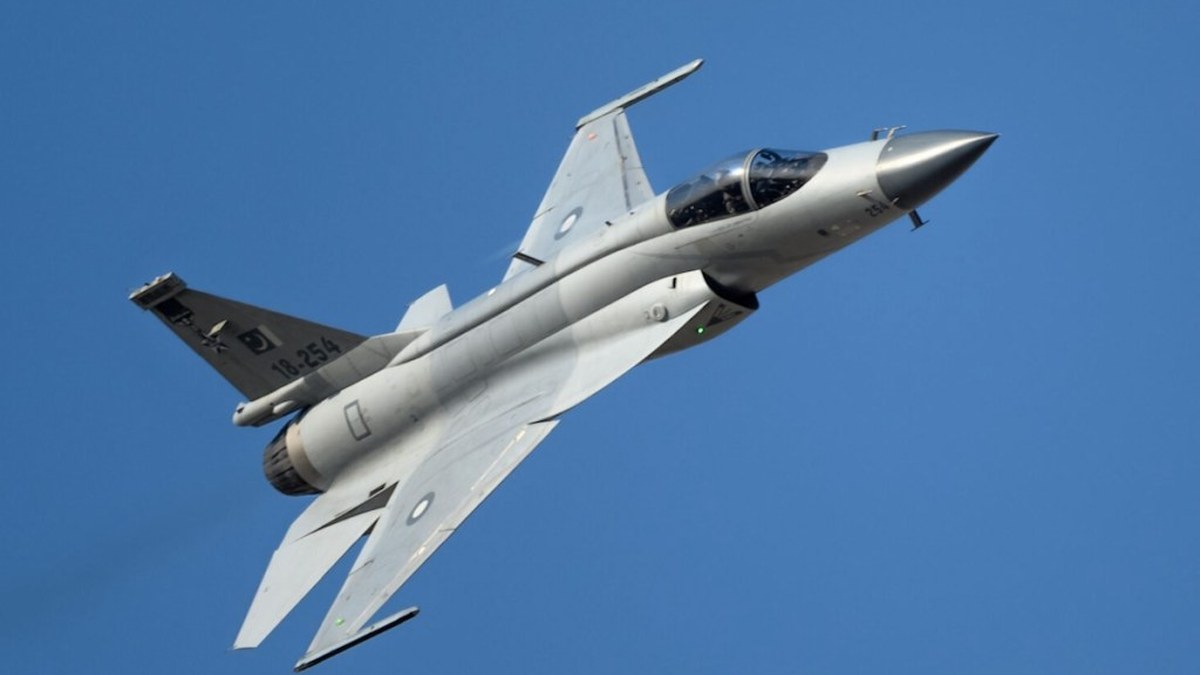
- Pakistan supplied the visible combat-validation proxy for Chinese fighter exports: the JF-17, developed jointly with Beijing, anchors the partnership, and Pakistani Air Force J-10CEs reportedly engaged India in May 2025; Beijing later confirmed providing support, Chinese sources claimed no losses, and the outcome remains contested across Indian, Pakistani, Chinese and U.S. accounts.
Why It Matters
Indo-Pacific governments gain negotiating leverage and procurement options from competitive prices, financing and co-production, while Beijing gains training, maintenance and licensed-production ties. The trade-off is concrete: China’s global arms-export share is just 5.6%, and local assembly can make dependence on Chinese support and upgrades harder to unwind.
Sources Cited
Related Coverage
Ask SkimNews