China's J-10C Missile Shift Risks Pilot Exposure in Taiwan
The 30-Second Skim
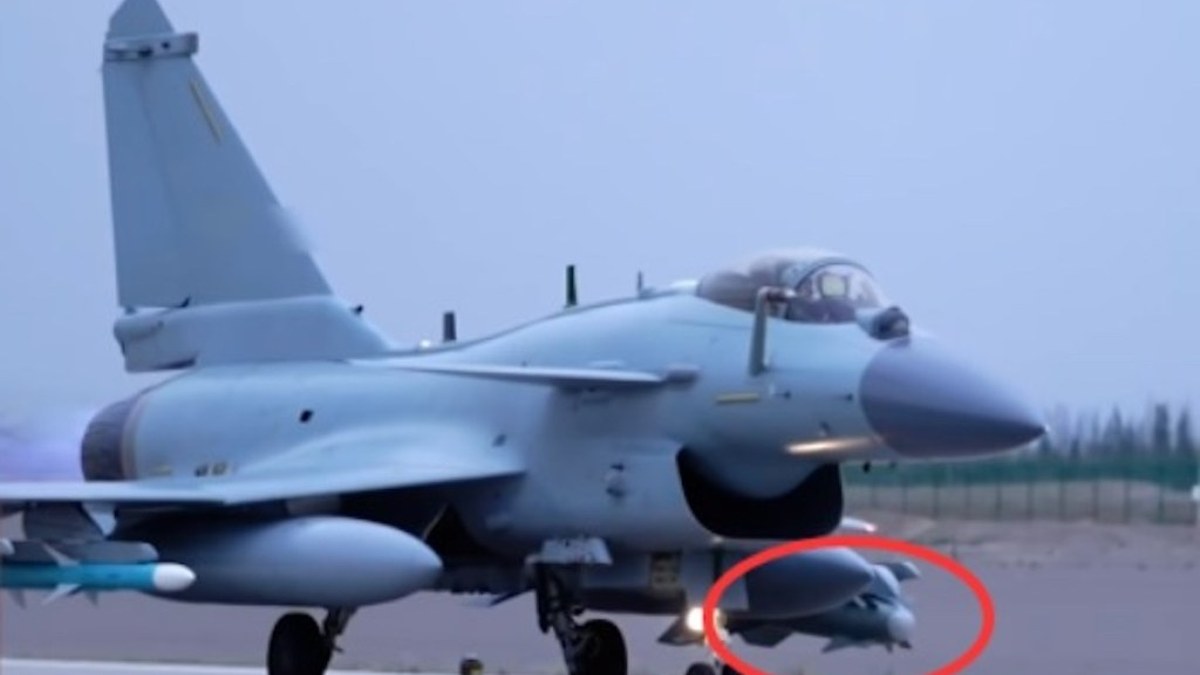
- What happened: China has integrated domestically upgraded Kh-29T air-to-surface missiles onto its J-10C fighter jets, expanding tactical options for strikes near Taiwan. However, reliance on these short-range weapons could force pilots into Taiwan’s surviving air defense zones if long-range missile stocks deplete early in a conflict.
- Key facts & numbers: CCTV footage in November 2026 confirmed the Kh-29T, weighing 685 kg with a 320-kg warhead, on a J-10C. The US DoD’s 2025 report estimates China has 900 SRBMs, 300 GLCMs, and 1,300 MRBMs capable of hitting Taiwan.
- What happens next: China’s missile production surge in 2025, per Bloomberg, may delay stockpile exhaustion, but simulations suggest long-range air munitions could deplete within 90 days of sustained combat, triggering reliance on vulnerable short-range systems.
Why It Matters
If China exhausts long-range precision missiles early in a Taiwan conflict, it may be forced to use short-range Kh-29Ts, exposing J-10C pilots to surviving Taiwanese air defenses. This dynamic mirrors US losses in Iran, where reliance on JDAMs and Hellfires after standoff missile depletion led to aircraft being shot down by MANPADS and SHORAD systems.
China is expanding missile production to avoid such shortages, but industrial capacity may not offset combat burn rates. A prolonged conflict could strain China’s military logistics, affect regional stability, and influence US defense planning and arms sales to Taiwan, with broader implications for Indo-Pacific security and defense markets.
How Outlets Are Framing It
- [Asia Times / Strategic Vulnerability Lens]: Focuses on operational risk, framing the J-10C’s short-range armament as a potential trap if Taiwan preserves air defenses and replicates US-Iran war attrition dynamics.
- [TWZ / Capability Realism Lens]: Emphasizes technical limitations of the Kh-29T, questioning its effectiveness against modern defenses and downplaying its strategic impact compared to long-range systems.
- [Cross-Regional Security Analysts / Stockpile Sustainability Lens]: Highlights concerns over China’s finite precision munitions, citing CSIS and DoD reports that project rapid depletion within months of high-intensity conflict.
Background & Timeline
- April 2023: Matthew Revels published a Journal of Indo-Pacific Affairs article advocating mobile, asymmetric air defense tactics for Taiwan to survive initial missile saturation.
- May 2026: Bloomberg reported China’s largest annual missile production surge since 2013, aiming to offset projected stockpile vulnerabilities in a prolonged conflict.
Sources Cited
Related Coverage
Ask SkimNews