Hormuz attacks intensify as Iran-US war talks stall
The 30-Second Skim7 points
- What happenedAttacks around the Strait of Hormuz have intensified as mediated efforts to end the US-Israel war on Iran remain deadlocked, with the IRGC warning tankers to respect the waterway's 'security and rules' and the US bombing a cargo vessel to enforce its blockade.
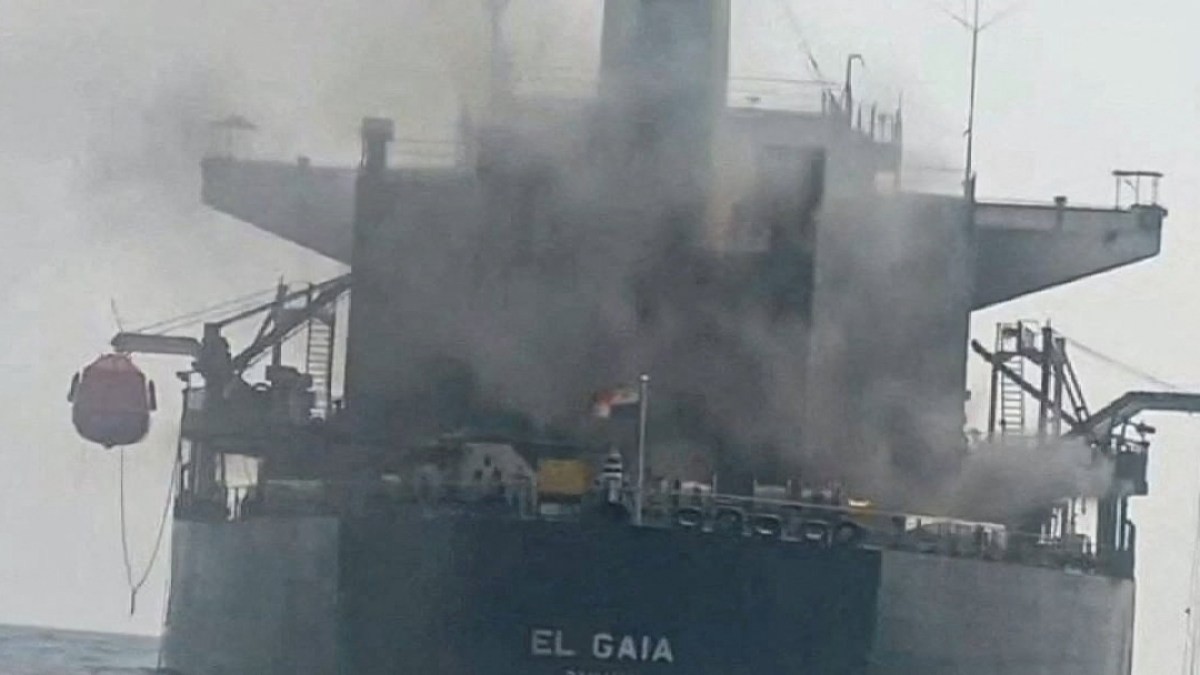
- Key facts & numbersIRGC Navy warned oil tankers ignoring the 'security and rules' of the Strait of Hormuz face the fate of a crude oil supertanker that hit a naval mine and caught fire Saturday night while using an unauthorized route with navigation systems turned off. US CENTCOM released footage of a fighter jet bombing the stern of a Panama-flagged cargo vessel in the Gulf of Oman to enforce its naval blockade of Iran's southern ports. Since the US reimposed the blockade in mid-July, CENTCOM has disabled four commercial vessels, turned around 135 ships, and destroyed 10 tankers linked to Iran, with Washington claiming Tehran has exported no oil through the blockade line.
- What happens nextCrude through Hormuz had actually surpassed pre-war levels earlier this month — then attacks dragged flows 40% below normal in a single week. That whiplash is the real story.
- IRGC Navy warned oil tankers ignoring the 'security and rules' of the Strait of Hormuz face the fate of a crude oil supertanker that hit a naval mine and caught fire Saturday night while using an unauthorized route with navigation systems turned off.
- US CENTCOM released footage of a fighter jet bombing the stern of a Panama-flagged cargo vessel in the Gulf of Oman to enforce its naval blockade of Iran's southern ports.
- Since the US reimposed the blockade in mid-July, CENTCOM has disabled four commercial vessels, turned around 135 ships, and destroyed 10 tankers linked to Iran, with Washington claiming Tehran has exported no oil through the blockade line.
- At least a dozen ships were attacked in the week ending October 5 — the highest since the war began — including one hit off Qatar's coast; Kpler data showed average crude through the strait fell to 8.5 million barrels per day, roughly 40% below normal.
Why It Matters
Energy flows through the Strait of Hormuz — one-fifth of global oil and gas — have dropped 40% below normal to 8.5 million barrels per day as weekly ship attacks hit their highest count since the war began, and with no diplomatic breakthrough expected before the November 3 midterm, both sides appear to be hardening positions rather than de-escalating.
Sources Cited
Related Coverage
Ask SkimNews
The day’s news in one short email, every morning.
Free. One email a day. Unsubscribe in one click.