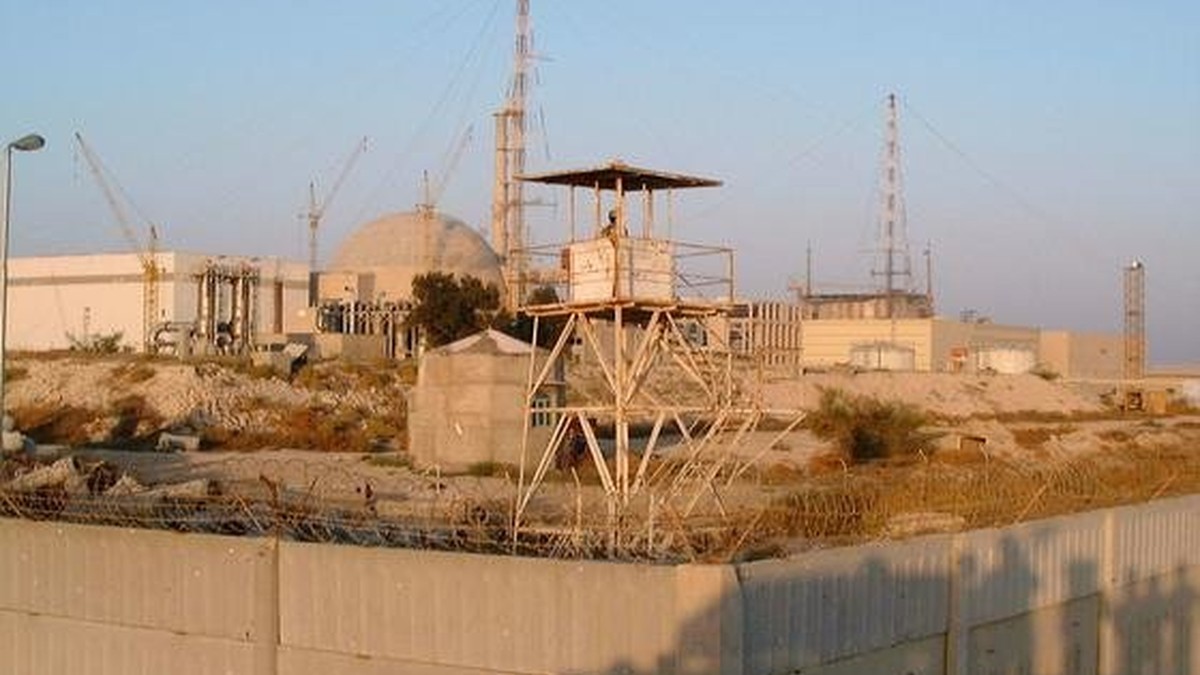
IAEA chief warns after 4th Bushehr strike
The 30-Second Skim7 points
- What happenedThe IAEA chief expressed deep concern after Iran reported a fourth projectile strike near the Bushehr nuclear plant, which killed a staff member, damaged a building, but did not raise radiation levels.
- Key facts & numbersRafael Grossi said he was “deeply concerned” after Iran reported a fourth projectile strike near the Bushehr nuclear power plant. Iran informed the IAEA that a member of the plant’s physical protection staff was killed by a projectile fragment and that a building was damaged by shockwaves and fragments. IAEA reported that no increase in radiation levels was detected following the latest incident.
- What happens nextIAEA chief slams 4th Bushehr hit, flags any strike on nuclear sites as a red line – even a staffer died.
- Rafael Grossi said he was “deeply concerned” after Iran reported a fourth projectile strike near the Bushehr nuclear power plant.
- Iran informed the IAEA that a member of the plant’s physical protection staff was killed by a projectile fragment and that a building was damaged by shockwaves and fragments.
- IAEA reported that no increase in radiation levels was detected following the latest incident.
- Rafael Grossi reiterated the IAEA’s call for maximum military restraint to avoid the risk of a nuclear accident, citing the agency’s seven pillars for nuclear safety and security in armed conflict.
Why It Matters
The warning underscores that attacks on nuclear facilities can cause loss of life and damage critical safety infrastructure, prompting the IAEA to demand maximum restraint to prevent a nuclear accident and protect regional populations. The agency’s emphasis on its seven pillars highlights the need for functional safety systems, reliable power supplies, and secure communications, all jeopardized by repeated strikes.
Sources Cited
Related Coverage
The day’s news in one short email, every morning.
Free. One email a day. Unsubscribe in one click.