ICJ Rules Myanmar Committed Genocide Against Rohingya
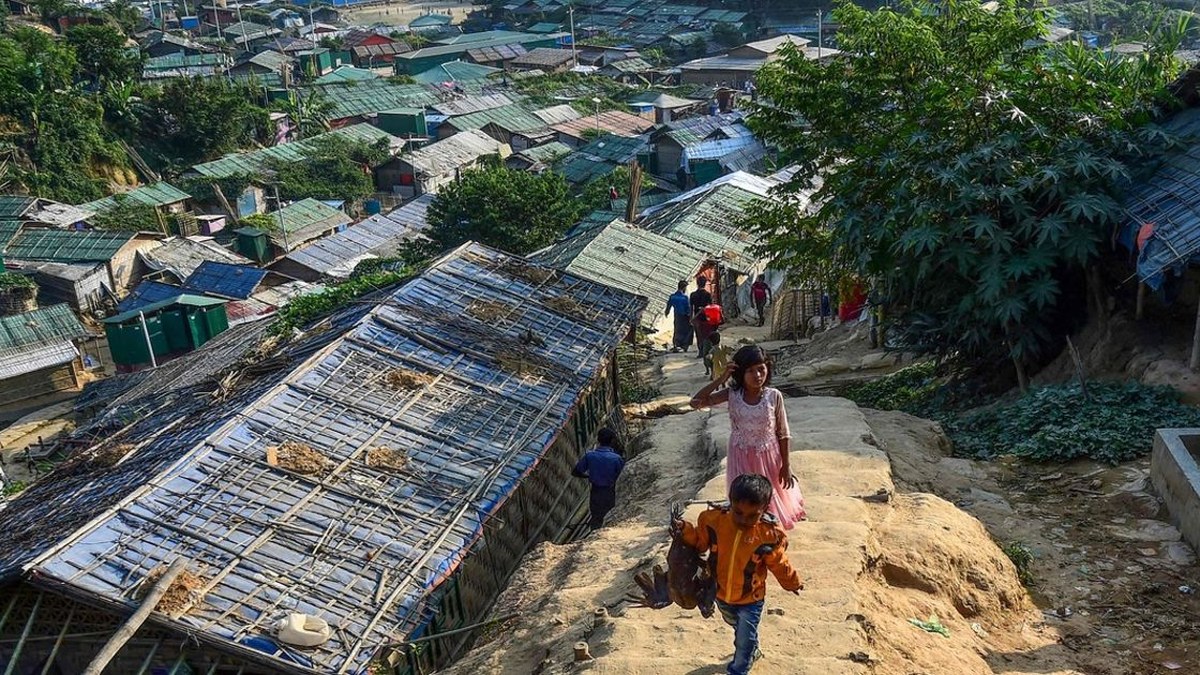
The 30-Second Skim
- What happened: The ICJ's Nov. 19 ruling that Myanmar committed genocide against the Rohingya gives Dhaka a stronger hand in pressing for repatriation, though the Arakan Army now controls most of the state refugees would return to and has said nothing about the verdict.
- Key facts & numbers: International Court of Justice ruled on Nov. 19 that Myanmar committed genocide against the mainly Muslim Rohingya minority during the 2017 military campaign that drove about 750,000 Rohingya out of Myanmar, and refugees in camps around Cox's Bazar, Bangladesh, celebrated the decision with hope and emotion. Humaiun Kobir, Bangladesh's state minister for foreign affairs, said on Nov. 20 that Dhaka would put pressure multilaterally to ensure a safe passage "within one to 1½ years" — the first repatriation timeline offered since the verdict — while his Foreign Ministry called returning the 1.2 million refugees "the only viable solution to the crisis". Myanmar said on Nov. 20 that the ICJ decision was "not unanimous and unfair" and that the country had been unjustly accused; in August the government verified 308,797 people in Bangladesh camps as former Rakhine residents and says repatriation begins only when security conditions improve.
- What happens next: Headlines stop at the verdict and Myanmar's 'disappointment.' Buried: the Arakan Army holds the return ground and is accused of atrocities.
- International Court of Justice ruled on Nov. 19 that Myanmar committed genocide against the mainly Muslim Rohingya minority during the 2017 military campaign that drove about 750,000 Rohingya out of Myanmar, and refugees in camps around Cox's Bazar, Bangladesh, celebrated the decision with hope and emotion.
- Humaiun Kobir, Bangladesh's state minister for foreign affairs, said on Nov. 20 that Dhaka would put pressure multilaterally to ensure a safe passage "within one to 1½ years" — the first repatriation timeline offered since the verdict — while his Foreign Ministry called returning the 1.2 million refugees "the only viable solution to the crisis".
- Myanmar said on Nov. 20 that the ICJ decision was "not unanimous and unfair" and that the country had been unjustly accused; in August the government verified 308,797 people in Bangladesh camps as former Rakhine residents and says repatriation begins only when security conditions improve.
- Arakan Army fighting since late 2023 has wrested control of nearly all of Rakhine state from the military — the areas to which most refugees would return — and has made no public comment on the verdict despite also being accused of atrocities against the Rohingya.
Why It Matters
Bangladesh gains diplomatic leverage it lacked before: the genocide finding is now on the record. But Dhaka must negotiate with both a state the court found responsible for genocide and the Arakan Army holding the return ground — while only 69% of the $710 million needed for 2026 aid is funded.
Sources Cited
Related Coverage
Ask SkimNews