UN Court Rules Myanmar Committed Genocide Against Rohingya
The 30-Second Skim
- What happened: The International Court of Justice ruled on November 19, 2026, that Myanmar committed genocide against the Rohingya during its 2017 military crackdown. The court ordered Myanmar to ensure safe return, reparations, and prosecution of those responsible.
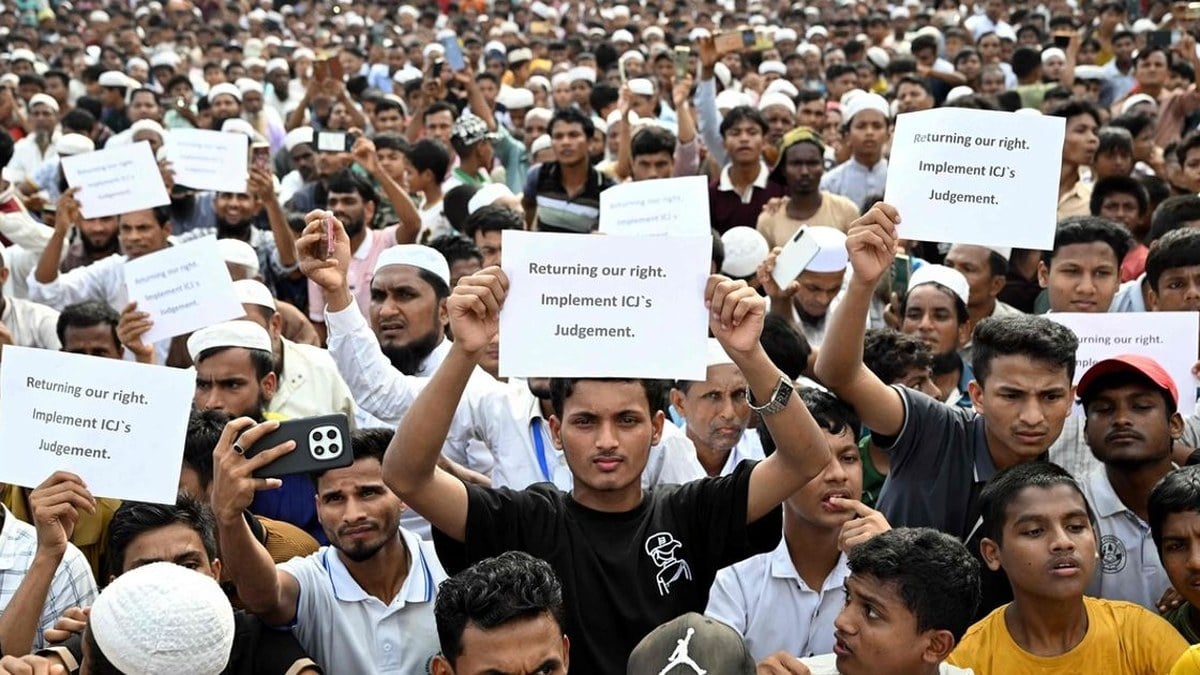
- Key facts & numbers: The ICJ cited evidence that Myanmar forces killed about 10,000 Rohingya in 2017. Approximately 1.2 million Rohingya refugees now live in Bangladesh, mostly in Cox’s Bazar camps.
- What happens next: Bangladesh’s Foreign Minister Khalilur Rahman pledged to advocate at the UN for enforcement, including prosecutions and repatriation, though Myanmar dismissed the ruling and compliance remains uncertain.
Why It Matters
The ICJ ruling sets a legal precedent by holding a state accountable for genocide, potentially influencing future international human rights cases. It may pressure global powers to impose sanctions or refer Myanmar to the ICC, though enforcement hurdles remain high.
For Rohingya refugees, the decision validates years of trauma and strengthens demands for safe return and citizenship rights. Regionally, it increases diplomatic pressure on Bangladesh and ASEAN to coordinate repatriation, while highlighting the limits of international law without Security Council enforcement.
How Outlets Are Framing It
- [Straits Times Asia / Human Rights Lens]: Focuses on Rohingya voices in Cox’s Bazar, framing the verdict as moral recognition and a step toward justice despite enforcement challenges.
- [AP News / Neutral Diplomatic Lens]: Emphasizes the ICJ’s binding but unenforceable ruling, highlighting Bangladesh’s diplomatic role and Myanmar’s rejection.
- [Anadolu Ajansı / Global South Solidarity Lens]: Stresses the symbolic power of international recognition, portraying the verdict as affirming Rohingya identity and global Muslim solidarity.
Background & Timeline
- August 2017: Myanmar’s military launched a 'clearance operation' in Rakhine State, triggering mass killings, rapes, and arson that forced over 700,000 Rohingya to flee to Bangladesh.
- November 2019: The Gambia filed a case at the ICJ accusing Myanmar of violating the Genocide Convention, initiating the legal process that led to the 2026 ruling.
Sources Cited
- Straits Times Asia — Rohingya in Bangladesh welcome UN court’s genocide verdict but say they want to go home to Myanmar
- AP News — Rohingya in Bangladesh welcome UN court's genocide verdict but say they want to go home to Myanmar
- New Haven Register — Rohingya in Bangladesh welcome UN court's genocide verdict but say they want to go home to Myanmar
- Anadolu Ajansı — 'The world now knows': Rohingya welcome landmark genocide verdict
- The Federal — ICJ genocide verdict rekindles Rohingya hopes; India, Bangladesh back repatriation
- The Times of India — ‘Justice at last’: Rohingya refugees welcome UN court action against Myanmar
Related Coverage
Ask SkimNews