Indonesia floats Malacca Strait toll, hits UNCLOS wall
The 30-Second Skim7 points
- What happenedIndonesia proposed tolling the Strait of Malacca, drawing rejections from Singapore, Malaysia, and its own foreign ministry, exposing UNCLOS rules one analyst says are outdated and should be reformed to fund maritime infrastructure and reduce US naval dependence.
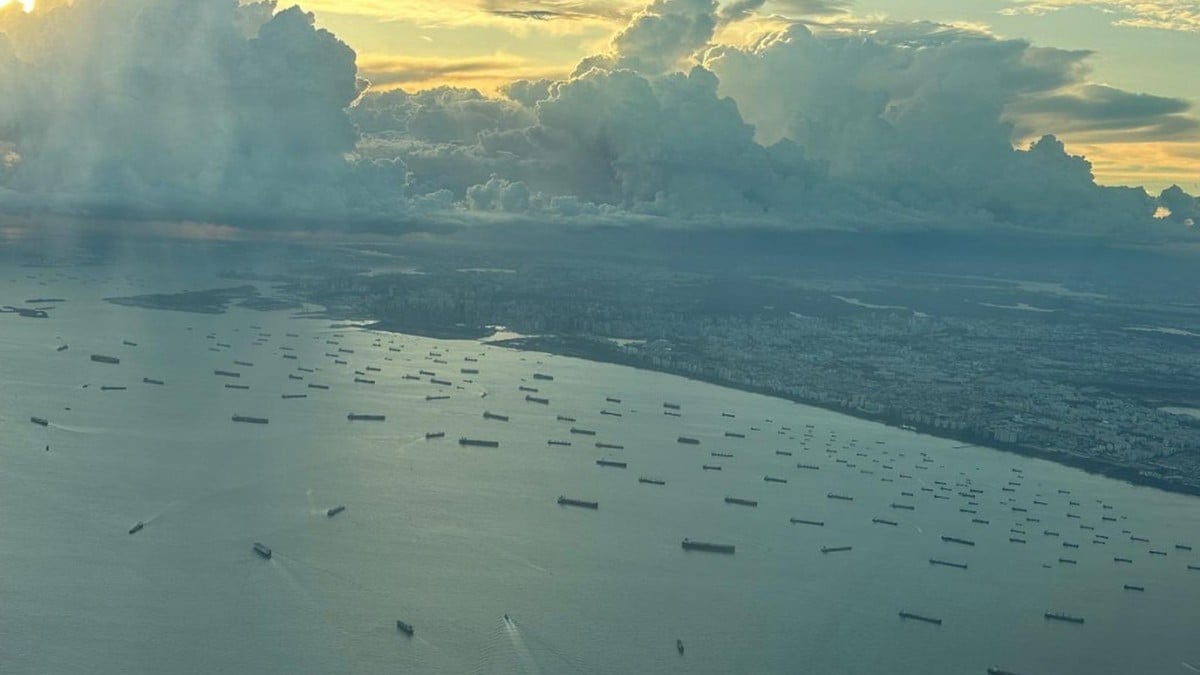
- Key facts & numbersIndonesia's finance minister floated tolling the Strait of Malacca at an April 22 symposium, prompting swift rejections from the foreign ministers of Singapore, Malaysia, and even Indonesia itself, all citing UNCLOS "freedom of navigation" norms. Those UNCLOS norms trace to the era of Dutch fluyts, the source argues, and Article 26 now prohibits coastal states from charging transit tolls — effectively subsidizing global shipping at the expense of states that dredge, monitor, and police chokepoints. The scale mismatch is stark: merchant ships in the Age of Sail topped out at ~1,500 deadweight tons, while post-Panamax container ships hit ~240,000 DWT and Malaccamax VLCCs reach 300,000 DWT, with 20-meter drafts that demand constant channel maintenance.
- What happens nextThose 'freedom of navigation' norms were written for Dutch fluyts, not 300,000-ton supertankers. Shipping is the biggest free rider.
- Indonesia's finance minister floated tolling the Strait of Malacca at an April 22 symposium, prompting swift rejections from the foreign ministers of Singapore, Malaysia, and even Indonesia itself, all citing UNCLOS "freedom of navigation" norms.
- Those UNCLOS norms trace to the era of Dutch fluyts, the source argues, and Article 26 now prohibits coastal states from charging transit tolls — effectively subsidizing global shipping at the expense of states that dredge, monitor, and police chokepoints.
- The scale mismatch is stark: merchant ships in the Age of Sail topped out at ~1,500 deadweight tons, while post-Panamax container ships hit ~240,000 DWT and Malaccamax VLCCs reach 300,000 DWT, with 20-meter drafts that demand constant channel maintenance.
- China's "Malacca Dilemma" — its dependence on the strait for energy imports and European-bound exports — has long fed fears that the US could weaponize naval supremacy to strangle China's industrial economy.
Why It Matters
The proposal, though rejected, exposes a real funding gap: Malaccan states spend heavily on dredging and policing the strait while UNCLOS Article 26 bars them from recovering costs from the 300,000-DWT supertankers that depend on it. Reforming the rule would let Indonesia, Malaysia, and Singapore capture shipping revenue that currently flows to the industry as a free-rider subsidy.
Sources Cited
Related Coverage
Ask SkimNews
The day’s news in one short email, every morning.
Free. One email a day. Unsubscribe in one click.