Iran says it downed US drones over Hormuz as bid to end war remains stalled
The 30-Second Skim
- What happened: Iran’s claims of two U.S. drone shootdowns over the Strait of Hormuz underscore that military confrontation remains active, while Tehran’s reopening conditions and Washington’s sanctions keep the bid to end the war stalled.
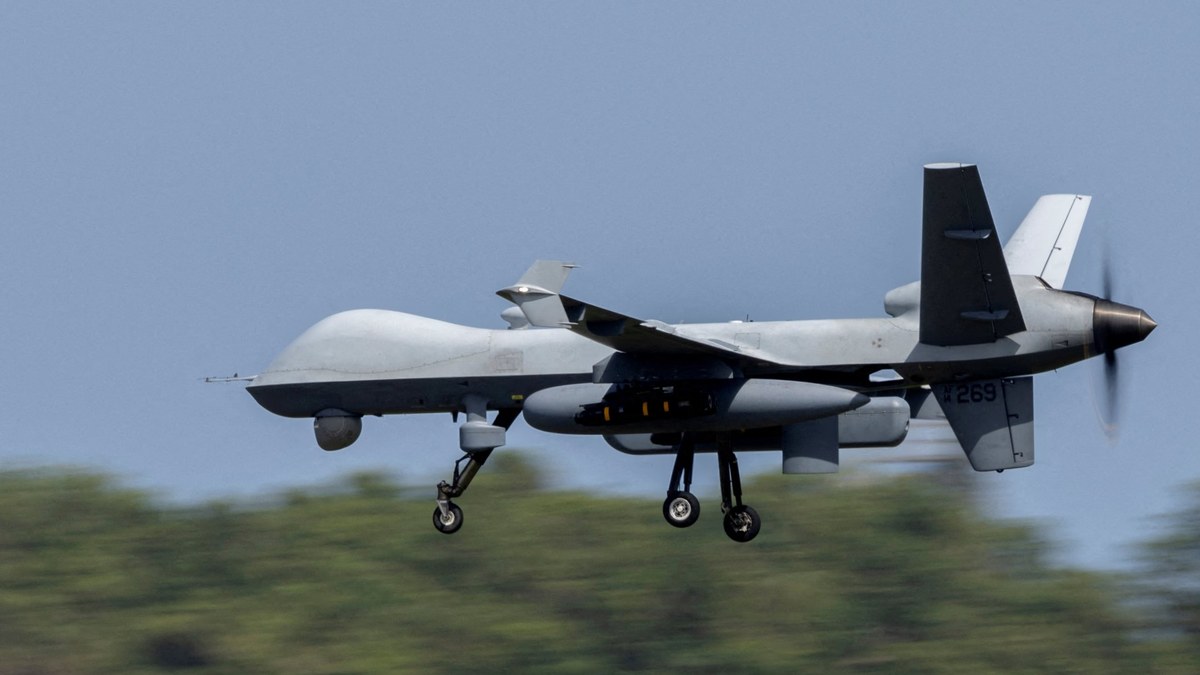
- Key facts & numbers: IRGC said a new air-defense system shot down an MQ-9 over the Strait of Hormuz, marking the 58th such drone it claimed since the war began nearly nine months ago; it later reported downing an MQ-1 over Qeshm Island, the 19th such downing it claimed, while the U.S. military gave no immediate response. Iran signed a June memorandum of understanding with the U.S., but it was never fully implemented because the sides disagreed over freedom and security of navigation in the Strait of Hormuz; attacks resumed periodically from July as the war disrupted shipping through the waterway, which carried about one-fifth of global oil and gas in peacetime, and pushed global energy prices higher. Araghchi said the seven conditions in a September proposal to the U.S. must be implemented for the Strait of Hormuz to reopen, including ending the war and lifting sanctions and the naval blockade on Iran’s southern ports; he called the implementation timetable flexible but conditional on U.S. confidence-building measures.
- What happens next: Both views show GOP pressure over Iran; the buried obstacles are Hormuz navigation, uranium and sanctions, not battlefield claims alone.
- IRGC said a new air-defense system shot down an MQ-9 over the Strait of Hormuz, marking the 58th such drone it claimed since the war began nearly nine months ago; it later reported downing an MQ-1 over Qeshm Island, the 19th such downing it claimed, while the U.S. military gave no immediate response.
- Iran signed a June memorandum of understanding with the U.S., but it was never fully implemented because the sides disagreed over freedom and security of navigation in the Strait of Hormuz; attacks resumed periodically from July as the war disrupted shipping through the waterway, which carried about one-fifth of global oil and gas in peacetime, and pushed global energy prices higher.
- Araghchi said the seven conditions in a September proposal to the U.S. must be implemented for the Strait of Hormuz to reopen, including ending the war and lifting sanctions and the naval blockade on Iran’s southern ports; he called the implementation timetable flexible but conditional on U.S. confidence-building measures.
- Araghchi ruled out transferring Iran’s stockpile of uranium enriched to 60% abroad, while saying a “fair solution” was possible and proposals from mediators were worth examining.
Why It Matters
The immediate pressure is on Republicans, who lost both chambers in the midterms: Democrats Ansari and Khanna want offensive war funding cut as the Dec. 11 budget deadline approaches. Failure to pass the bill carries a government-shutdown risk, so appropriations leaders DeLauro and Murray are seeking ways to end the war without taking that risk.
Sources Cited
Related Coverage
Ask SkimNews