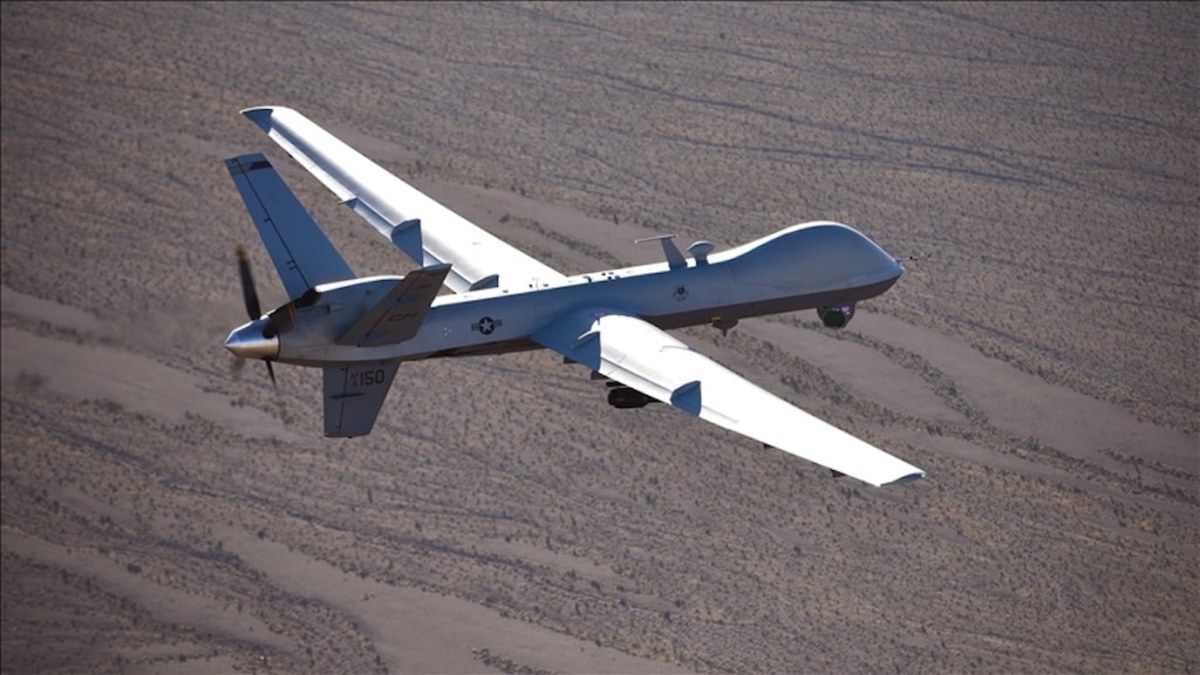
Iran shoots down US Reaper drone amid fresh US strikes
The 30-Second Skim
- What happened: Iran’s Revolutionary Guard said it downed a US MQ‑9 Reaper and other aircraft after Washington launched self‑defence strikes on missile sites and mining boats. US officials framed the strikes as protecting troops, while Iranian analysts detailed a 24‑hour back‑and‑forth that includes casualties on both sides. The clash threatens to derail ongoing talks on a 30‑day ceasefire and a shipping‑lane agreement for the Strait of Hormuz.
- Key facts & numbers: IRGC announced it shot down an American MQ‑9 Reaper drone and fired on an RQ‑4 drone and an F‑35 jet, calling the action a defensive response to US strikes. U.S. Central Command said US forces carried out self‑defence strikes in southern Iran, targeting missile launch sites and Iranian boats attempting to lay mines. Iranian sources reported that US attacks killed four IRGC naval personnel, prompting Iran to fire anti‑ship missiles at US vessels and down at least one US drone.
- What happens next: Iran just knocked a US Reaper out of the sky, and the US replied with missile strikes—looks like the Hormuz talks are about to go sideways.
- IRGC announced it shot down an American MQ‑9 Reaper drone and fired on an RQ‑4 drone and an F‑35 jet, calling the action a defensive response to US strikes.
- U.S. Central Command said US forces carried out self‑defence strikes in southern Iran, targeting missile launch sites and Iranian boats attempting to lay mines.
- Iranian sources reported that US attacks killed four IRGC naval personnel, prompting Iran to fire anti‑ship missiles at US vessels and down at least one US drone.
- Wall Street Journal reported that the US and Iran are negotiating a 30‑day memorandum of understanding to lift shipping constraints in the Strait of Hormuz and continue nuclear talks.
Why It Matters
Oil shippers and global markets risk higher freight rates and price spikes as the 30‑day ceasefire talks over the Strait of Hormuz are jeopardized by the new US‑Iran drone and missile exchange.
Background & Timeline
- Editor context: Heightened direct engagements, even when framed as defensive, risk escalating a localized conflict into a broader regional confrontation by increasing the probability of miscalculation and the scope of retaliatory targets.
Sources Cited
Related Coverage
Ask SkimNews