Iran’s Council Holds Power After Leader’s Death
The 30-Second Skim7 points
- What happenedIran’s leadership held together after US‑Israeli strikes killed the supreme leader, but the emerging power structure now faces internal rifts as it negotiates a U.S. deal over its nuclear program and the Strait of Hormuz.
- Key facts & numbersAyatollah Ali Khamenei was killed by US‑Israeli strikes on the first day of the war, eliminating Iran’s supreme leader. Mojtaba Khamenei succeeded his father as supreme leader but remains hidden and his authority is unclear after reports he was wounded. Supreme National Security Council has become the de‑facto decision‑making body, with Mohammad Bagher Qalibaf as its public face and chief U.S. negotiator.
- What happens nextTurns out Iran’s power isn’t a single man – a council of generals and politicians now runs the show, and they’re already at odds over opening the Hormuz strait while the U.S. keeps the pressure on.
- Ayatollah Ali Khamenei was killed by US‑Israeli strikes on the first day of the war, eliminating Iran’s supreme leader.
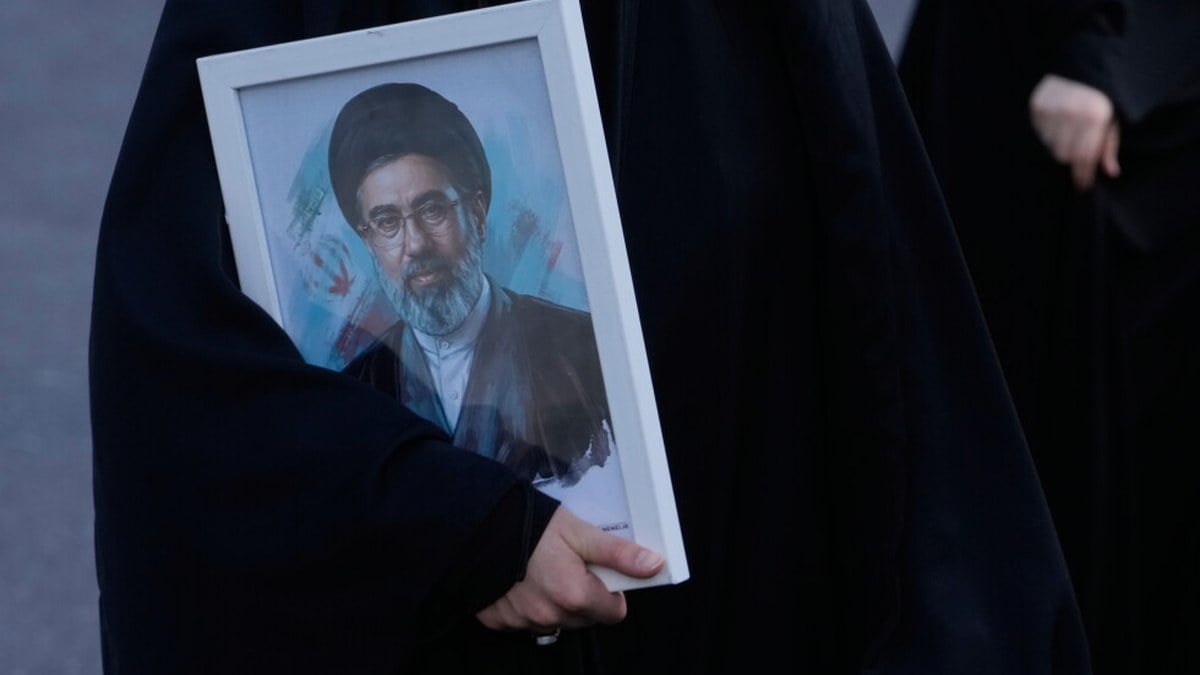
- Mojtaba Khamenei succeeded his father as supreme leader but remains hidden and his authority is unclear after reports he was wounded.
- Supreme National Security Council has become the de‑facto decision‑making body, with Mohammad Bagher Qalibaf as its public face and chief U.S. negotiator.
- Saeed Jalili serves as the supreme leader’s representative on the council, while hard‑liners Ahmad Vahidi and Mohammad Bagher Zolghadr hold key Guard posts.
Why It Matters
Iran’s ability to maintain a unified front despite the loss of its supreme leader gives it leverage in talks, while internal factional disputes over concessions and the Strait of Hormuz could undermine a cohesive negotiating position, affecting both Tehran’s survival and U.S. non‑proliferation goals.
Sources Cited
Related Coverage
Ask SkimNews
The day’s news in one short email, every morning.
Free. One email a day. Unsubscribe in one click.