Iran Talks Peace, Names Missile Chief Defense Minister
The 30-Second Skim
- What happened: Iran is pursuing high-level diplomacy with regional powers while appointing a hardline defense minister focused on rebuilding offensive missile and drone capabilities, reflecting a strategy of hedging amid uncertainty over U.S. and Israeli actions.
- Key facts & numbers: Iran held talks with senior Saudi, Pakistani, and Turkish officials led by SNSC chief Mohsen Rezaei, President Masoud Pezeshkian, and Foreign Minister Abbas Araghchi, signaling cross-institutional consensus on diplomacy. Saudi Arabia, Pakistan, and Turkey were represented by Defense Minister Khalid bin Salman, Field Marshal Asim Munir, and intelligence chief Ibrahim Kalin, respectively, underscoring the regional weight of the talks and Iran’s outreach to the Mecca defense pact members. Iran appointed Mehrdad Akhlaghi as defense minister, a shift toward offensive military rebuilding given his background leading the Shahid Bagheri Industrial Group and overseeing solid-fuel missile development.
- What happens next: While headlines call it diplomacy, Iran just put a missile chief in charge of its military—peace talks are real, but so is the war prep. The Mecca pact reps didn’t show up for photo ops.
- Iran held talks with senior Saudi, Pakistani, and Turkish officials led by SNSC chief Mohsen Rezaei, President Masoud Pezeshkian, and Foreign Minister Abbas Araghchi, signaling cross-institutional consensus on diplomacy.
- Saudi Arabia, Pakistan, and Turkey were represented by Defense Minister Khalid bin Salman, Field Marshal Asim Munir, and intelligence chief Ibrahim Kalin, respectively, underscoring the regional weight of the talks and Iran’s outreach to the Mecca defense pact members.
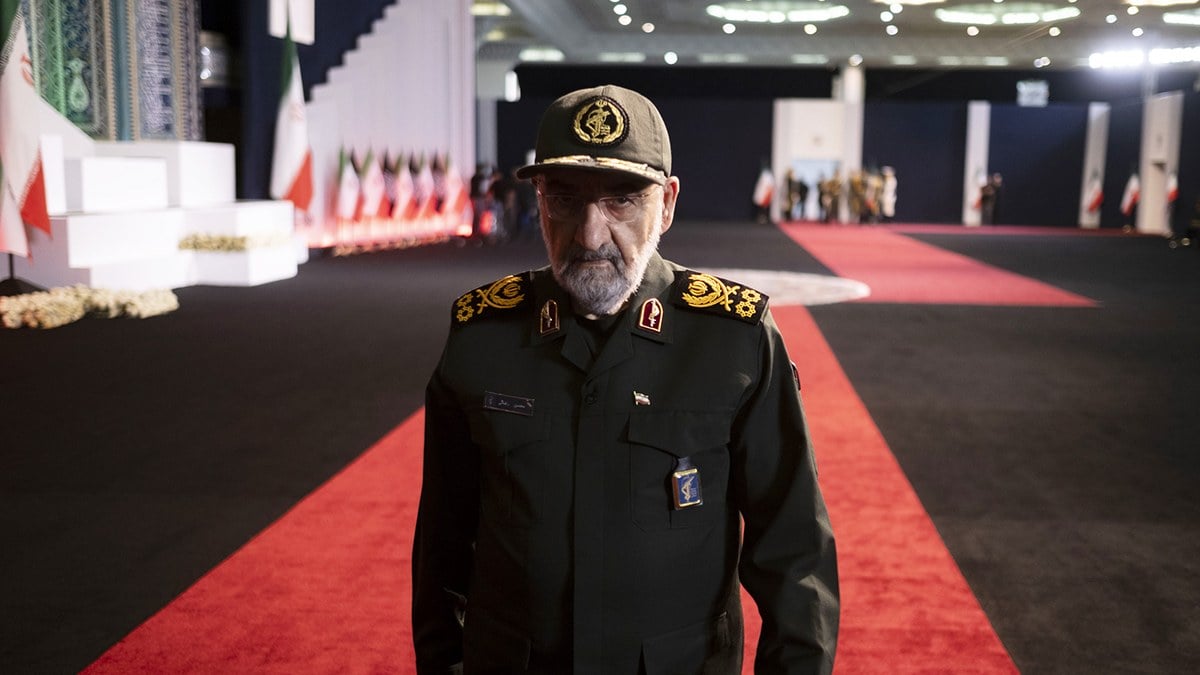
- Iran appointed Mehrdad Akhlaghi as defense minister, a shift toward offensive military rebuilding given his background leading the Shahid Bagheri Industrial Group and overseeing solid-fuel missile development.
- Mehrdad Akhlaghi stated that if Trump drops a single bomb, U.S. forces would 'leave the region horizontally,' signaling a readiness for large-scale retaliation against Gulf targets.
Why It Matters
Iran’s simultaneous diplomatic overtures and military preparations reflect a calculated hedge: regional powers gain leverage through dialogue, but Akhlaghi’s appointment raises the stakes of any conflict by accelerating the rebuild of hard-to-detect solid-fuel missiles—capabilities that survived prior U.S.-Israeli strikes and could reshape Gulf deterrence.
Sources Cited
- Foreign Policy — Iran Is Talking Peace but Preparing for War
Related Coverage
Ask SkimNews