Iran-US Talks Deadlocked on Sequencing, Not Substance
The 30-Second Skim
- What happened: The collapse of Iran-US negotiations stems not from incompatible demands but from two opposing psychological complexes—one rooted in the 1979 embassy siege, the other in Trump's 2018 JCPOA withdrawal—that have hardened into a stable deadlock.
- Key facts & numbers: The June 18 Islamabad memorandum was the only concluded Iran-US negotiation since the war began, and it collapsed within days after Tehran suspended participation over the absence of a Lebanon ceasefire, which had been a consistent Iranian demand since March. The "embassy siege complex"—stemming from the 1979 hostage crisis in which Iranian students held 52 Americans for 444 days—produces an informal US rule that Iran must concede first and its concession verified before receiving anything in return. The "JCPOA withdrawal complex" traces its peak to President Donald Trump's May 2018 exit from the nuclear deal despite IAEA confirmation of Iranian compliance, producing an Iranian rule that no step will be taken before binding guarantees and no concession before pressure is lifted.
- What happens next: Both sides draft their texts to protect against their own historical trauma, not to meet the other halfway. The Islamabad deal came closest because it actually addressed both fears.
- The June 18 Islamabad memorandum was the only concluded Iran-US negotiation since the war began, and it collapsed within days after Tehran suspended participation over the absence of a Lebanon ceasefire, which had been a consistent Iranian demand since March.
- The "embassy siege complex"—stemming from the 1979 hostage crisis in which Iranian students held 52 Americans for 444 days—produces an informal US rule that Iran must concede first and its concession verified before receiving anything in return.
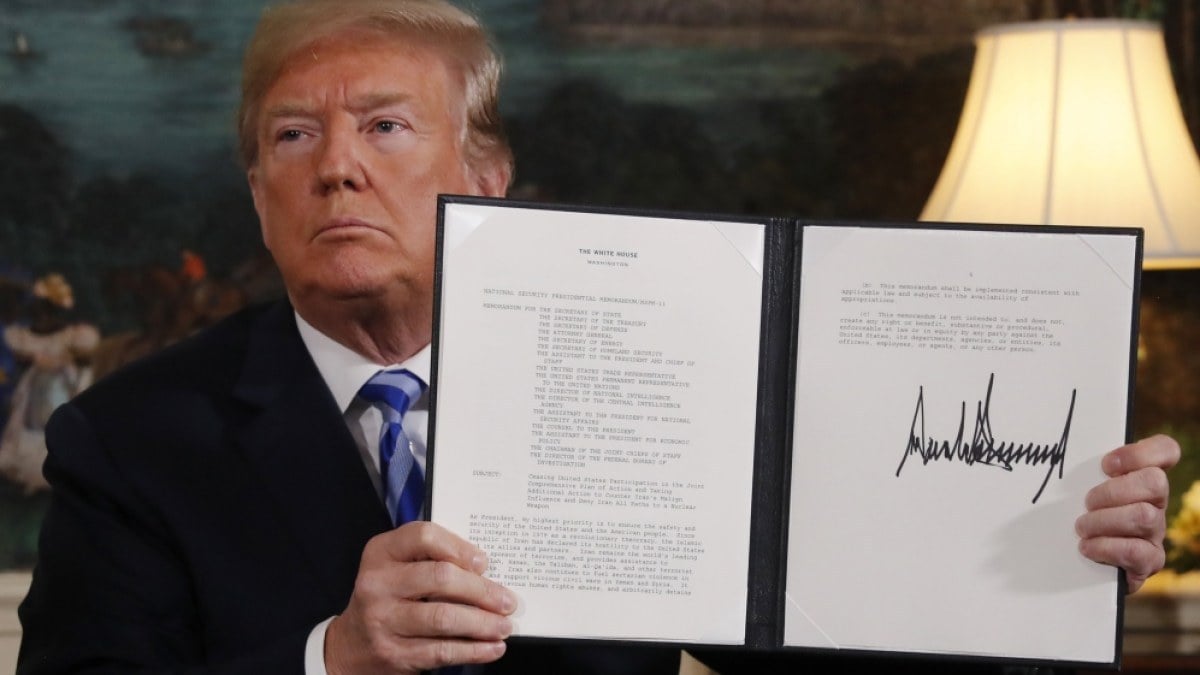
- The "JCPOA withdrawal complex" traces its peak to President Donald Trump's May 2018 exit from the nuclear deal despite IAEA confirmation of Iranian compliance, producing an Iranian rule that no step will be taken before binding guarantees and no concession before pressure is lifted.
- Secretary of State Mike Pompeo announced 12 demands just two weeks after the JCPOA exit—only 4 related to the nuclear file, with 7 addressing Iran's regional behavior in Lebanon, Palestine, Iraq, Yemen, Syria, Afghanistan, and the Gulf.
Why It Matters
With substantive demands narrowing significantly since 2018—when seven of Pompeo's twelve demands addressed Iran's regional behavior—the June 2025 US strikes on Fordow, Natanz, and Isfahan during scheduled Muscat talks have deepened both complexes into what the analysis calls a single stable syndrome, meaning no sequencing formula can break the deadlock without third-party guarantees addressing both sides' core concerns simultaneously.
Sources Cited
- Al Jazeera — Why Iran-US negotiations keep failing
Related Coverage
Ask SkimNews