Why Every US President Returns to Iran Negotiations
The 30-Second Skim
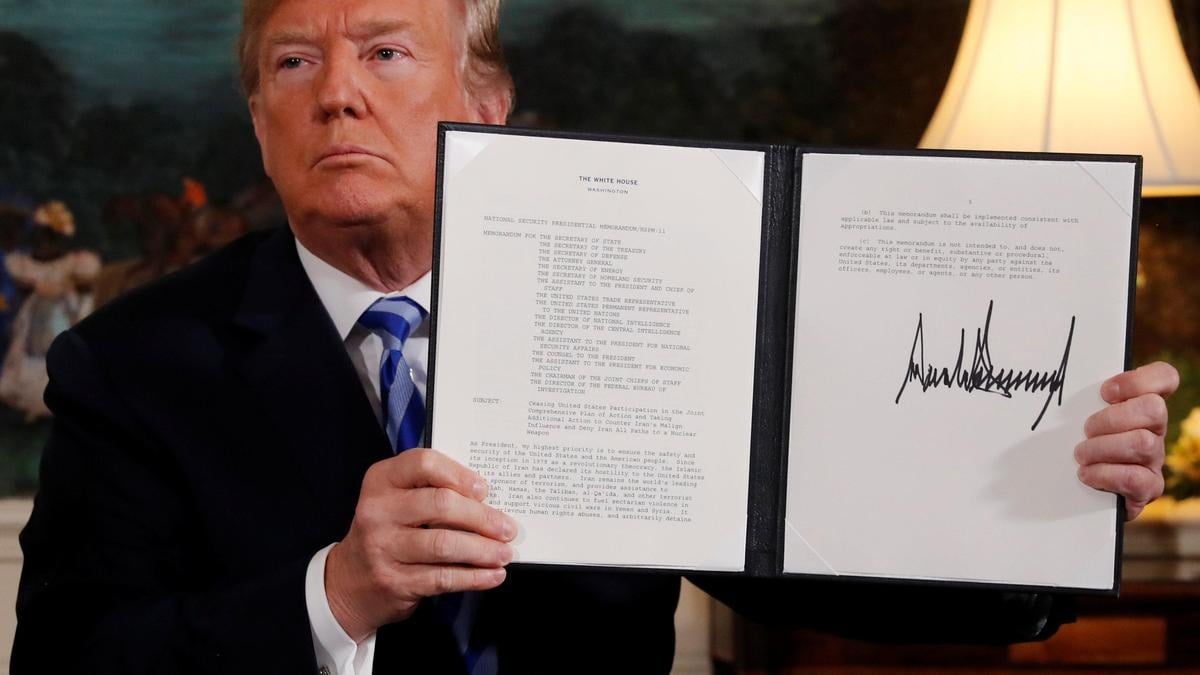
- What happened: A structural analysis of the recurring U.S.-Iran cycle argues that every American administration — from Bush to Trump — has defaulted back to diplomacy after coercion failed, with Trump's maximum pressure campaign leaving Iran's nuclear program more advanced than before his 2018 JCPOA withdrawal.
- Key facts & numbers: Trump withdrew from the JCPOA in 2018, calling Obama's nuclear deal one of the worst agreements in international negotiation history, then pursued a maximum pressure sanctions regime that devastated Iran's oil exports and banking sector. Every U.S. administration from George W. Bush through Obama, Trump, Biden, and Trump again has cycled from coercion (sanctions, military threats) back to diplomacy — a pattern the article attributes to structural realities of power rather than Iran's unique behavior. Iran's combination of dense population, vast territory spanning the Persian Gulf to the Caspian Sea, and control of the Strait of Hormuz — one of the world's most critical oil chokepoints — has made military intervention prohibitively costly across administrations.
- What happens next: The buried irony: maximum pressure didn't just fail to bring Iran back to the table on U.S. terms — it accelerated the very nuclear advances it was meant to prevent.
- Trump withdrew from the JCPOA in 2018, calling Obama's nuclear deal one of the worst agreements in international negotiation history, then pursued a maximum pressure sanctions regime that devastated Iran's oil exports and banking sector.
- Every U.S. administration from George W. Bush through Obama, Trump, Biden, and Trump again has cycled from coercion (sanctions, military threats) back to diplomacy — a pattern the article attributes to structural realities of power rather than Iran's unique behavior.
- Iran's combination of dense population, vast territory spanning the Persian Gulf to the Caspian Sea, and control of the Strait of Hormuz — one of the world's most critical oil chokepoints — has made military intervention prohibitively costly across administrations.
- Obama's JCPOA imposed verifiable nuclear limits, extended the breakout time for a weapon, and created a new inspection regime, but was criticized for not addressing Iran's missile program and regional actions.
Why It Matters
Eight years after Trump left the JCPOA claiming he could secure a better deal, Iran has higher enrichment rates and larger nuclear stockpiles, and Washington is negotiating from a weaker position — a concrete reversal that demonstrates the structural limits of coercion against a civilization-state controlling a critical oil chokepoint.
Sources Cited
Related Coverage
Ask SkimNews