Iran’s Survival Strategy Stalls US/Israel War
The 30-Second Skim7 points
- What happenedWhile the U.S. and Israel can hit Iranian targets with surgical precision, Iran’s goal is simply to survive and entangle its foes, turning each strike into a costly slog. The war now stretches beyond battlefields to the Hormuz Strait, regional energy markets, and a fragile 10‑day ceasefire in Lebanon that could unravel at any moment.
- Key facts & numbersIran has again closed the Strait of Hormuz, delaying Indian oil shipments and pressuring global energy markets. United States has used roughly 45‑50% of its key missile stockpiles, including about 30% of its Tomahawk inventory, limiting further escalation. Israel faces a 10‑day truce with Hezbollah that risks collapse, extending Lebanon’s ceasefire into April.
- What happens nextIran’s survival‑first playbook is turning every US/Israel strike into a never‑ending slog—no one’s getting out of this one.
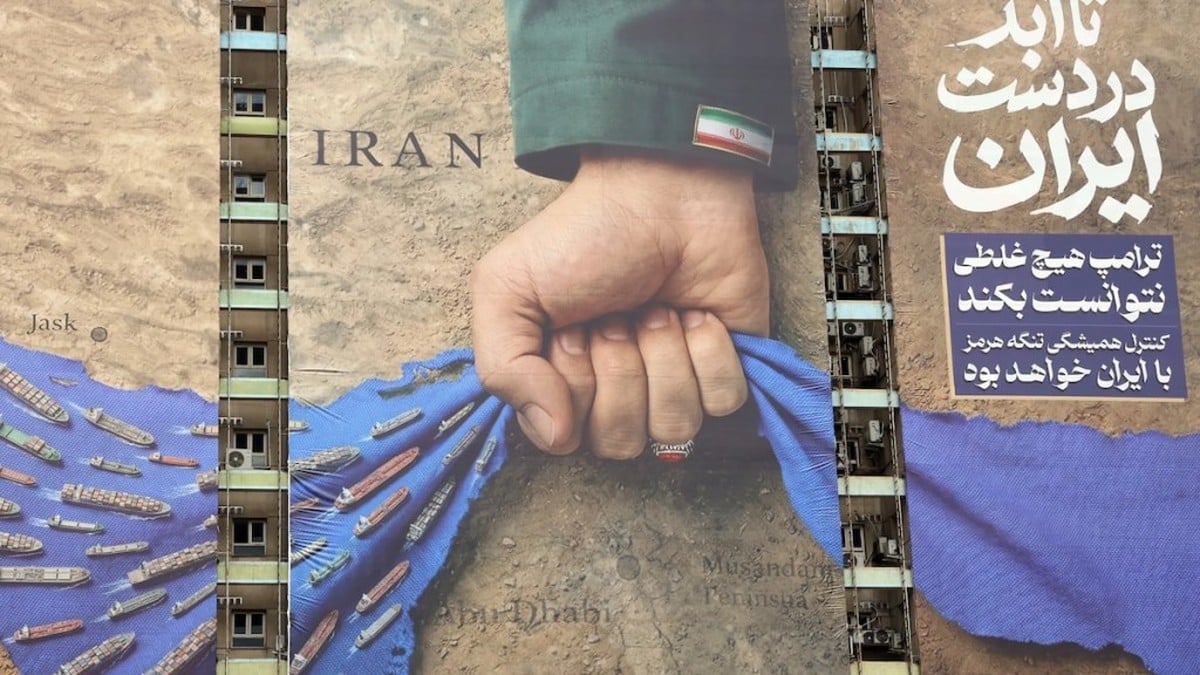
- Iran has again closed the Strait of Hormuz, delaying Indian oil shipments and pressuring global energy markets.
- United States has used roughly 45‑50% of its key missile stockpiles, including about 30% of its Tomahawk inventory, limiting further escalation.
- Israel faces a 10‑day truce with Hezbollah that risks collapse, extending Lebanon’s ceasefire into April.
- Iran has threatened retaliation against Saudi Arabia, the UAE, Qatar, Kuwait, Bahrain, Oman, Jordan and Iraq, widening the conflict’s regional scope.
Why It Matters
U.S. defense planners confront a roughly 30% shortfall in Tomahawk missile inventory, curbing escalation options and heightening the risk that Washington faces a prolonged, expensive Middle‑East conflict.
Sources Cited
Related Coverage
Ask SkimNews
The day’s news in one short email, every morning.
Free. One email a day. Unsubscribe in one click.