Israel Votes in Deadlocked Election Over Gaza, Judiciary, Iran
The 30-Second Skim7 points
- What happenedIsrael votes on October 27 in a tightly contested election where Netanyahu and opposition leaders are neck-and-neck, with no clear path to a majority and key issues including judicial reform, Gaza policy, and settler violence.
- Key facts & numbersNetanyahu campaigns on his military record and judicial overhaul legacy, with allies pushing for expanded West Bank settlements and Gaza resettlement, while final polls show his bloc at 50 seats. Gadi Eisenkot leads a centrist bloc focused on judicial independence, drafting ultra-Orthodox men, and cracking down on settler violence, with projections giving his camp 52–56 seats. Arab parties are projected to win 14–16 seats, potentially blocking Netanyahu’s majority, though Eisenkot’s bloc has ruled out governing with them despite Ra’am’s openness to talks.
- What happens nextNetanyahu’s survival hinges on far-right allies pushing annexation, but Arab parties hold the balance—even as centrists refuse to work with them. The peace process isn’t dead; it’s been sidelined by math and ideology.
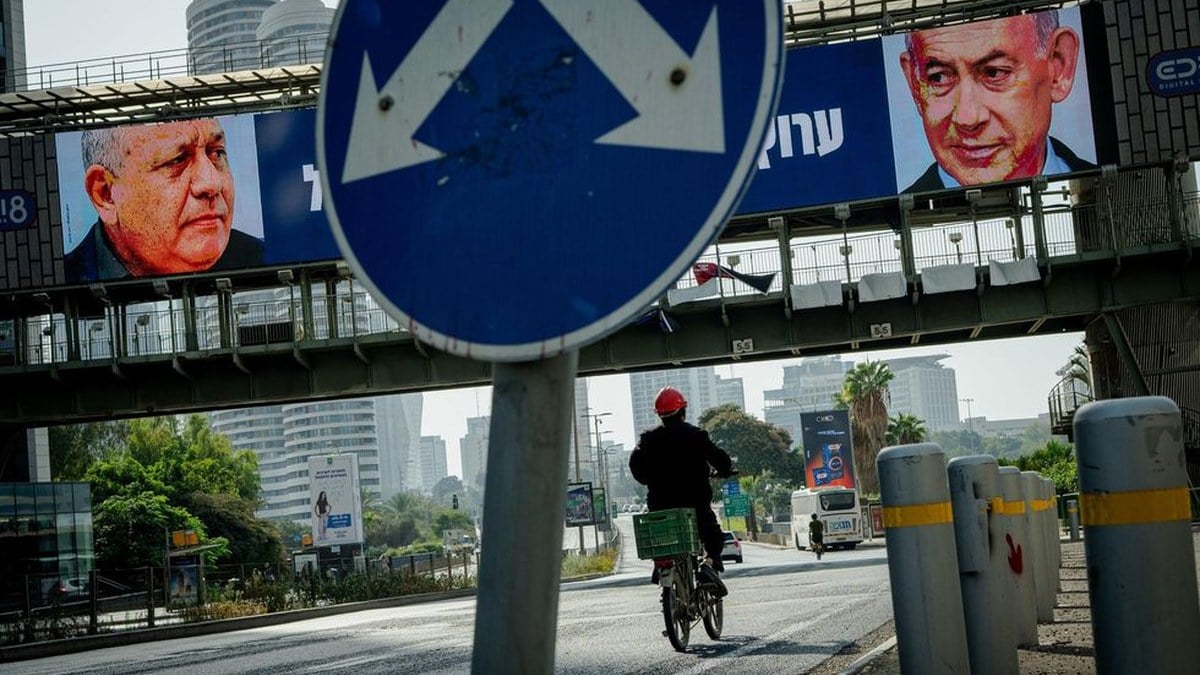
- Netanyahu campaigns on his military record and judicial overhaul legacy, with allies pushing for expanded West Bank settlements and Gaza resettlement, while final polls show his bloc at 50 seats.
- Gadi Eisenkot leads a centrist bloc focused on judicial independence, drafting ultra-Orthodox men, and cracking down on settler violence, with projections giving his camp 52–56 seats.
- Arab parties are projected to win 14–16 seats, potentially blocking Netanyahu’s majority, though Eisenkot’s bloc has ruled out governing with them despite Ra’am’s openness to talks.
- Yair Golan’s Democrats support a two-state solution and a state inquiry into the October 7 Hamas attack, opposing annexation and advocating for public services amid high defense spending.
Why It Matters
The next government will shape Israel’s military engagements, judicial structure, and relations with Palestinians—yet no bloc can govern alone, making Arab parties kingmakers despite being politically isolated. With defense costs soaring and public opposition to statehood at 66%, any shift in policy faces deep constraints.
Sources Cited
- Responsible StatecraftIsrael's elections and not so great expectations for peace
Related Coverage
Ask SkimNews