Iran Clears Malaysian Ships Through Strait of Hormuz
The 30-Second Skim7 points
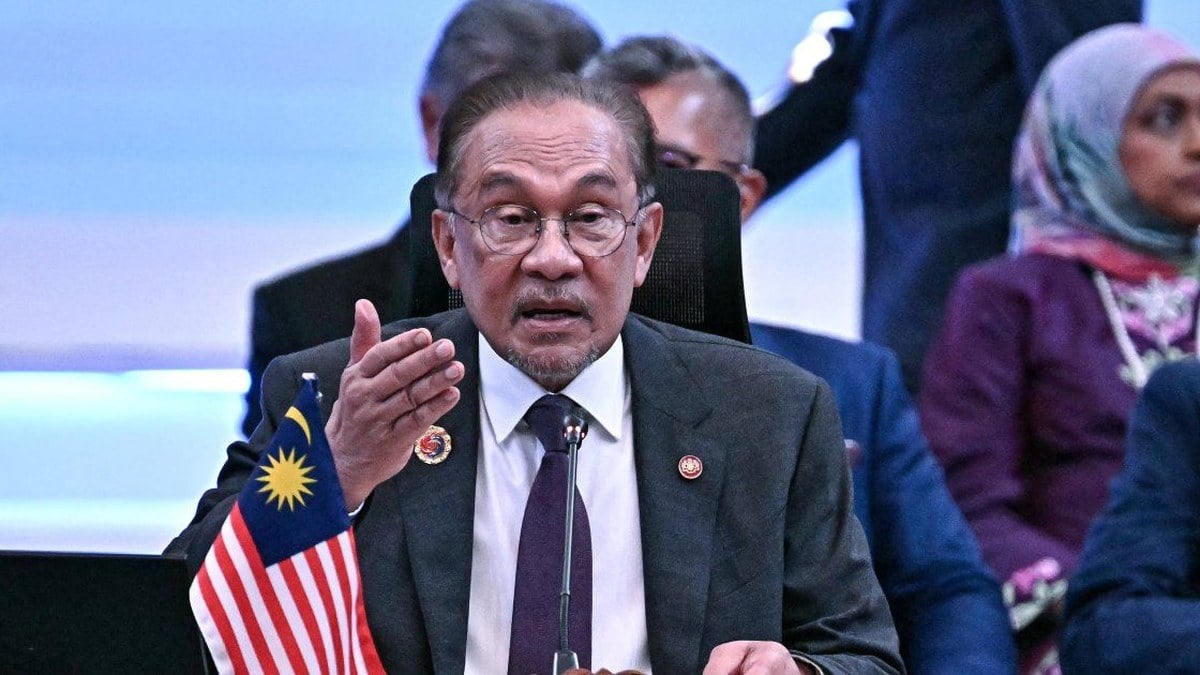
- What happenedIran granted Malaysian oil tankers "early clearance" through the Strait of Hormuz, Prime Minister Anwar Ibrahim announced Thursday, as his government moved to ration subsidised petrol and shift civil servants to remote work to weather the energy crunch.
- Key facts & numbersAnwar Ibrahim said in a televised address that Iran's President Masoud Pezeshkian granted Malaysian vessels "early clearance" through the Strait of Hormuz, and that Malaysia is "in the process of securing the release of the Malaysian oil tankers and the workers involved." Anwar's government is cutting the individual monthly quota for subsidised petrol and "gradually and selectively" moving civil servants to work-from-home, acknowledging that food, fertiliser, oil, and gas prices "will certainly rise." Strait of Hormuz traffic has collapsed to five vessels tracked on Wednesday and four the day before, down from a pre-war daily average of 120, according to maritime intelligence firm Windward; the waterway normally moves about one-fifth of global oil and LNG supplies.
- What happens nextThe "clearance" story buries the lede: Iran's parliament is pushing a formal toll system, and ships are reportedly paying up to $2M each just to pass. That's not a blockade — it's a turnpike.
- Anwar Ibrahim said in a televised address that Iran's President Masoud Pezeshkian granted Malaysian vessels "early clearance" through the Strait of Hormuz, and that Malaysia is "in the process of securing the release of the Malaysian oil tankers and the workers involved."
- Anwar's government is cutting the individual monthly quota for subsidised petrol and "gradually and selectively" moving civil servants to work-from-home, acknowledging that food, fertiliser, oil, and gas prices "will certainly rise."
- Strait of Hormuz traffic has collapsed to five vessels tracked on Wednesday and four the day before, down from a pre-war daily average of 120, according to maritime intelligence firm Windward; the waterway normally moves about one-fifth of global oil and LNG supplies.
- Iran's parliament is pushing legislation to establish a toll system in the strait, with reports that Iranian authorities are demanding up to $2 million per vessel to guarantee safe passage, even as Tehran says the route is open to ships not aligned with the US or Israel.
Why It Matters
Strait of Hormuz traffic has fallen from 120 vessels a day to single digits, with Iran effectively selecting which ships can pass — Malaysia got through, but only after diplomatic outreach to Pezeshkian. With Iran's parliament pushing a toll system and reports of $2 million-per-vessel "fees," the chokepoint that moves a fifth of global oil and LNG is being turned into a pay-or-be-blocked gateway, forcing even energy-rich Malaysia to ration petrol.
Sources Cited
Related Coverage
Ask SkimNews
The day’s news in one short email, every morning.
Free. One email a day. Unsubscribe in one click.