Myanmar committed Rohingya genocide, ICJ rules
The 30-Second Skim
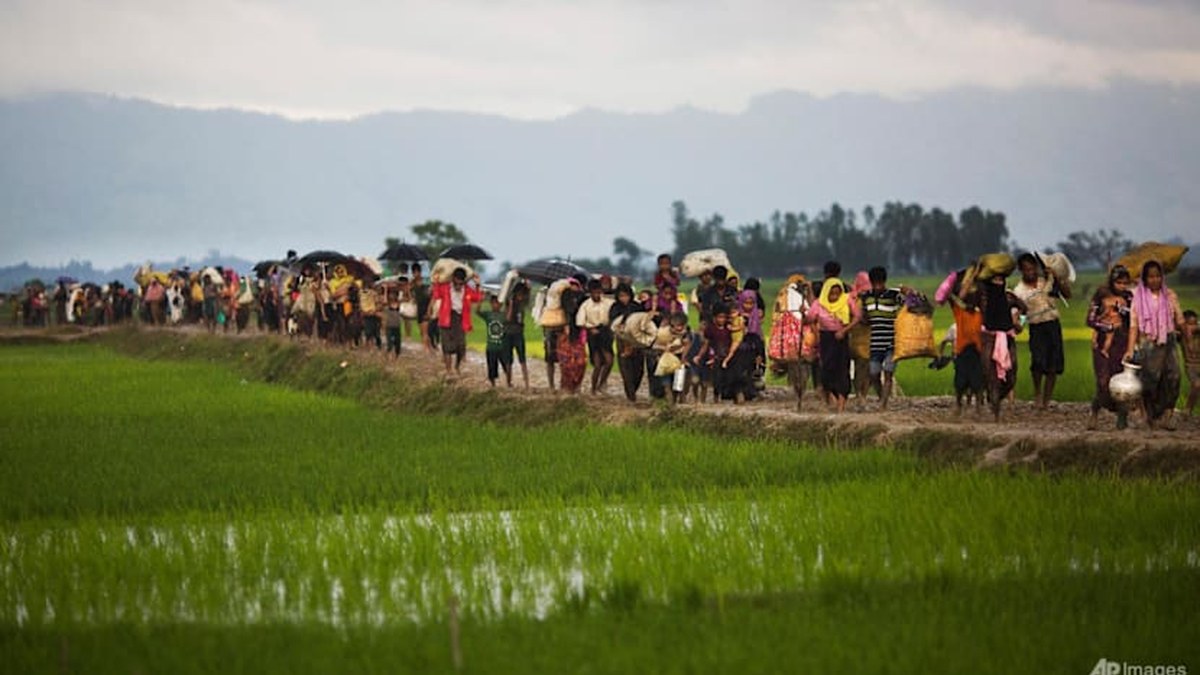
- What happened: The International Court of Justice ruled Myanmar committed genocide against the Rohingya in its 2017 Rakhine crackdown, ordering safe return, reparations and prosecutions — a first-of-its-kind ruling that Rohingya in Bangladesh call only a start.
- Key facts & numbers: International Court of Justice ruled on Thursday (Nov. 19) that Myanmar committed genocide against the Rohingya minority — the first time the court has found a state guilty of genocide — after the 2017 "clearance campaign" Myanmar's military launched in Rakhine state, which drew accusations of mass rapes, killings and burned homes. Myanmar's military-supported government was ordered to allow the Rohingya to return home safely, pay reparations and prosecute those suspected of genocide; the court found Myanmar forces killed about 10,000 Rohingya and acted with intent to destroy the group "in whole or in part." Myanmar dismissed the ruling as "unfair" on Friday, and the court itself has no enforcement beyond reporting non-compliance to the UN Security Council.
- What happens next: Consensus is "landmark, not the end." The bit most coverage softens: refugees demanding punishment, and an ICJ with no way to enforce its own order.
- International Court of Justice ruled on Thursday (Nov. 19) that Myanmar committed genocide against the Rohingya minority — the first time the court has found a state guilty of genocide — after the 2017 "clearance campaign" Myanmar's military launched in Rakhine state, which drew accusations of mass rapes, killings and burned homes.
- Myanmar's military-supported government was ordered to allow the Rohingya to return home safely, pay reparations and prosecute those suspected of genocide; the court found Myanmar forces killed about 10,000 Rohingya and acted with intent to destroy the group "in whole or in part."
- Myanmar dismissed the ruling as "unfair" on Friday, and the court itself has no enforcement beyond reporting non-compliance to the UN Security Council.
- Khalilur Rahman, Bangladesh's foreign minister and president of the UN General Assembly, told Rohingya in Cox's Bazar on Friday that action is needed — prosecution, voluntary safe repatriation, reparations and no repeat genocide — promising to lobby UN member nations: "You will not be alone."
Why It Matters
With 1.2 million Rohingya still in Bangladeshi camps and Myanmar calling the judgment "unfair" the next day, the ruling's practical force now rests on the UN Security Council, since the ICJ can only report non-compliance. Bangladesh's foreign minister is lobbying UN member states to convert the orders for safe return and reparations into action.
Sources Cited
Related Coverage
Ask SkimNews