Netanyahu, Eisenkot talks fail as deadline looms
The 30-Second Skim
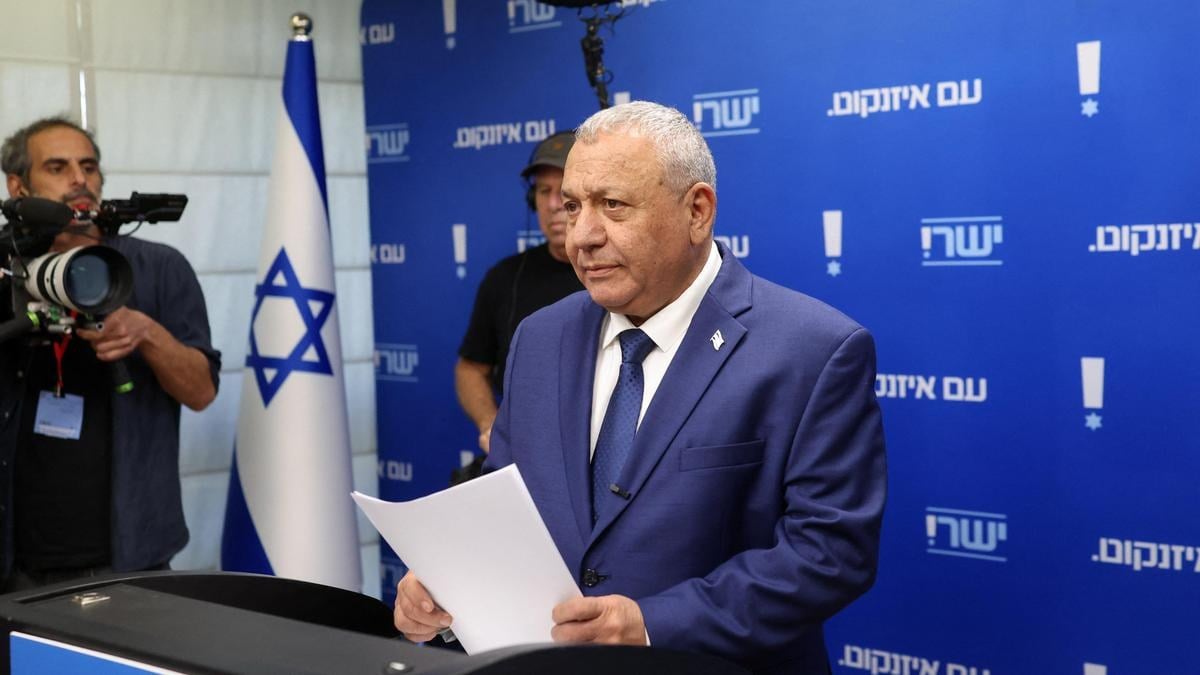
- What happened: Israeli political rivals Benjamin Netanyahu and Gadi Eisenkot ended another round of coalition talks without agreement, as Eisenkot races to form a government before his December 6 deadline.
- Key facts & numbers: Netanyahu and Eisenkot's parties held four-hour coalition talks in Herzliya on November 22, 2026, but failed to reach an agreement, with a follow-up meeting scheduled without a set date. Eisenkot has until December 6 — with a possible 14-day extension — to form a government after October elections left no bloc with a majority, and his 48-member bloc remains divided on coalition strategy. Likud laid out conditions for joining a unity government, including an end to personal attacks on Netanyahu and excluding Arab parties, which won a record 19 seats and oppose Netanyahu’s continued leadership.
- What happens next: Netanyahu wants unity to survive legally and politically; Eisenkot wants unity to govern — but their versions of 'unity' are pulling the country in opposite directions.
- Netanyahu and Eisenkot's parties held four-hour coalition talks in Herzliya on November 22, 2026, but failed to reach an agreement, with a follow-up meeting scheduled without a set date.
- Eisenkot has until December 6 — with a possible 14-day extension — to form a government after October elections left no bloc with a majority, and his 48-member bloc remains divided on coalition strategy.
- Likud laid out conditions for joining a unity government, including an end to personal attacks on Netanyahu and excluding Arab parties, which won a record 19 seats and oppose Netanyahu’s continued leadership.
- Netanyahu is pushing for a national unity government with a rotating premiership, a move that could shield him from corruption charges and block an inquiry into the October 7, 2023 security failures.
Why It Matters
With Eisenkot’s mandate expiring in two weeks and deep divisions over whether to include Arab parties or ultra-Orthodox factions, the failure to break deadlock raises the risk of a fourth election in five years, prolonging political instability in Israel at a time of regional tension.
Sources Cited
Related Coverage
Ask SkimNews