Netanyahu's Unity Push Meets Eisenkot's 'Tricks'
The 30-Second Skim
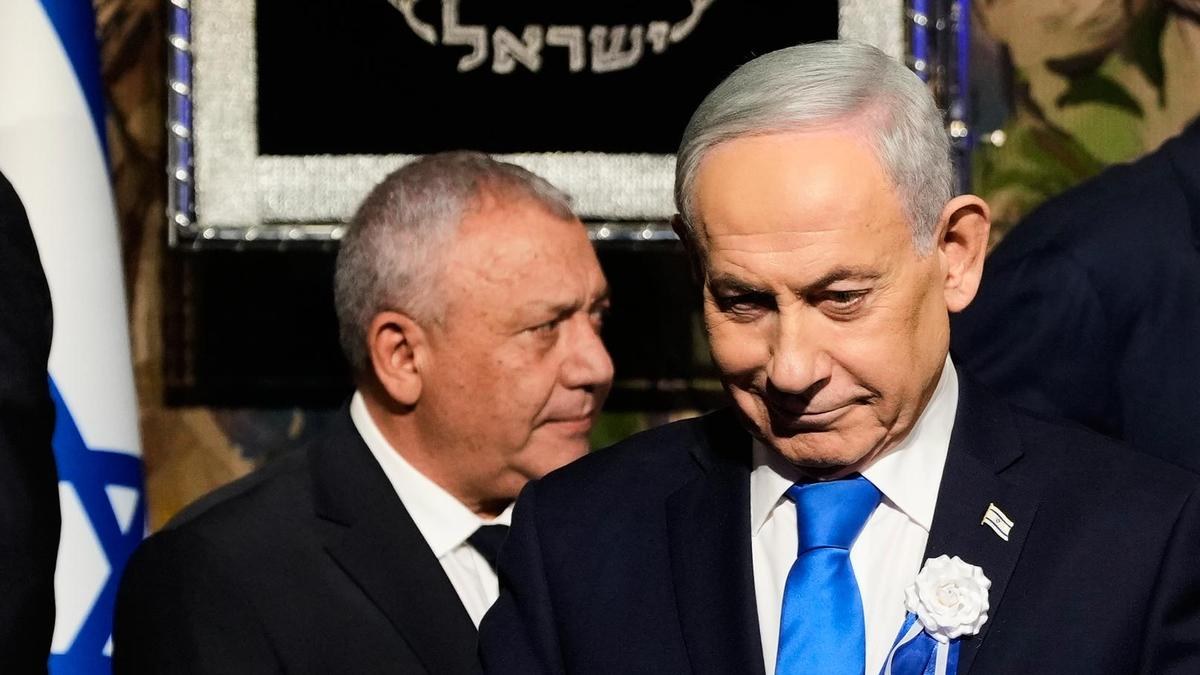
- What happened: Benjamin Netanyahu's push for a preconditions-free national unity government with Gadi Eisenkot was publicly rebuffed, exposing a widening divide over the incoming premier's coalition plans as the Knesset prepares to elect a new speaker.
- Key facts & numbers: Benjamin Netanyahu said a Thursday, November 13 meeting with Gadi Eisenkot strengthened his conviction that Israel needs a national unity government, holding talks "without preconditions" to address security and the future of the state. Gadi Eisenkot dismissed the appeal as "tricks," accusing Netanyahu of knowing he lost the election and of "sowing division and stoking tensions" while talks were already underway. Eisenkot was tapped on Sunday, November 15 to form a government within 28 days, with a possible 14-day extension, after presenting a minority "national emergency government" backed by his 48 MPs against 46 Netanyahu supporters, with 26 Arab and ultra-Orthodox members potentially abstaining in the 120-seat Knesset.
- What happens next: The subtext is arithmetic: Netanyahu wants Arab parties out of any deal, while Eisenkot needs them to abstain — and the speaker's vote lands first.
- Benjamin Netanyahu said a Thursday, November 13 meeting with Gadi Eisenkot strengthened his conviction that Israel needs a national unity government, holding talks "without preconditions" to address security and the future of the state.
- Gadi Eisenkot dismissed the appeal as "tricks," accusing Netanyahu of knowing he lost the election and of "sowing division and stoking tensions" while talks were already underway.
- Eisenkot was tapped on Sunday, November 15 to form a government within 28 days, with a possible 14-day extension, after presenting a minority "national emergency government" backed by his 48 MPs against 46 Netanyahu supporters, with 26 Arab and ultra-Orthodox members potentially abstaining in the 120-seat Knesset.
- Netanyahu's proposed unity government would draw on key Jewish parties from the centre to the right while excluding Arab parties, whereas Eisenkot said he remains open to working with Likud and Religious Zionism provided their commitment to unity is "sincere."
Why It Matters
Eisenkot's 28-day mandate, extendable by 14 days, rests on arithmetic his bloc cannot command alone: 48 votes for him, 46 for Netanyahu, and 26 Arab and ultra-Orthodox lawmakers who could abstain. Netanyahu's demand that unity exclude the Arab parties collides directly with the support his rival says he needs.
Sources Cited
Related Coverage
Ask SkimNews