North Korean oppression is a security strategy, not a side issue
The 30-Second Skim7 points
- What happenedA US House hearing exposed how North Korea’s domestic repression fuels a strategic partnership with China and Russia, turning the regime into a war‑fighting proxy that sent roughly 15,000 troops to Ukraine, with over 6,000 killed. The link between internal terror and external aggression reshapes security calculations for South Korea, Japan and US allies across the Indo‑Pacific.
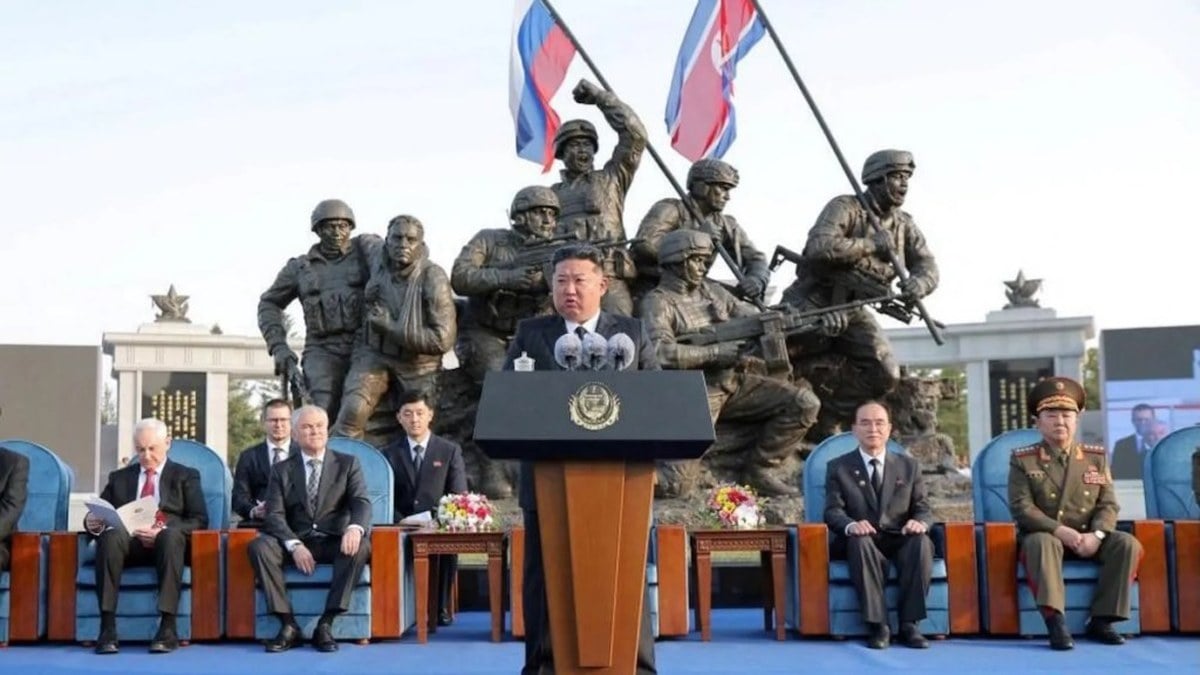
- Key facts & numbersXavier Brunson told the House Armed Services Committee on April 22, 2026 that China, Russia and North Korea form a “cookie” network reshaping the Korean Peninsula and enabling material flows that pressure South Korea. Kim Jong Un and Russian Defense Minister Andrey Belousov unveiled a Pyongyang memorial on April 27, 2026 honoring North Korean soldiers killed fighting in Ukraine. North Korea deployed an estimated 15,000 personnel to assist Russia in recapturing territory in Kursk, with more than 6,000 reported killed.
- What happens nextKim’s new memorial shows Pyongyang is cashing its citizens for battlefield creds, cementing a China‑Russia‑North Korea war machine.
- Xavier Brunson told the House Armed Services Committee on April 22, 2026 that China, Russia and North Korea form a “cookie” network reshaping the Korean Peninsula and enabling material flows that pressure South Korea.
- Kim Jong Un and Russian Defense Minister Andrey Belousov unveiled a Pyongyang memorial on April 27, 2026 honoring North Korean soldiers killed fighting in Ukraine.
- North Korea deployed an estimated 15,000 personnel to assist Russia in recapturing territory in Kursk, with more than 6,000 reported killed.
- China’s coordination with Russia and North Korea forms a hostile network that threatens US allies across the Indo‑Pacific, the US general warned.
Why It Matters
The U.S. and its allies lose strategic stability as North Korea’s 6,000‑plus combat deaths deepen its war‑fighting capacity, while China and Russia gain a more reliable proxy, raising the risk of coordinated aggression across the Indo‑Pacific.
Sources Cited
- Texas National Security ReviewUS Policy Toward North Korea: Quo Vadis?
- Universidad de Navarra. Global Affairs and Strategic Studies. Facultad de Derecho
Related Coverage
Ask SkimNews
The day’s news in one short email, every morning.
Free. One email a day. Unsubscribe in one click.