Pakistan Brokers U.S.-Iran Ceasefire, Hosts Failed Talks
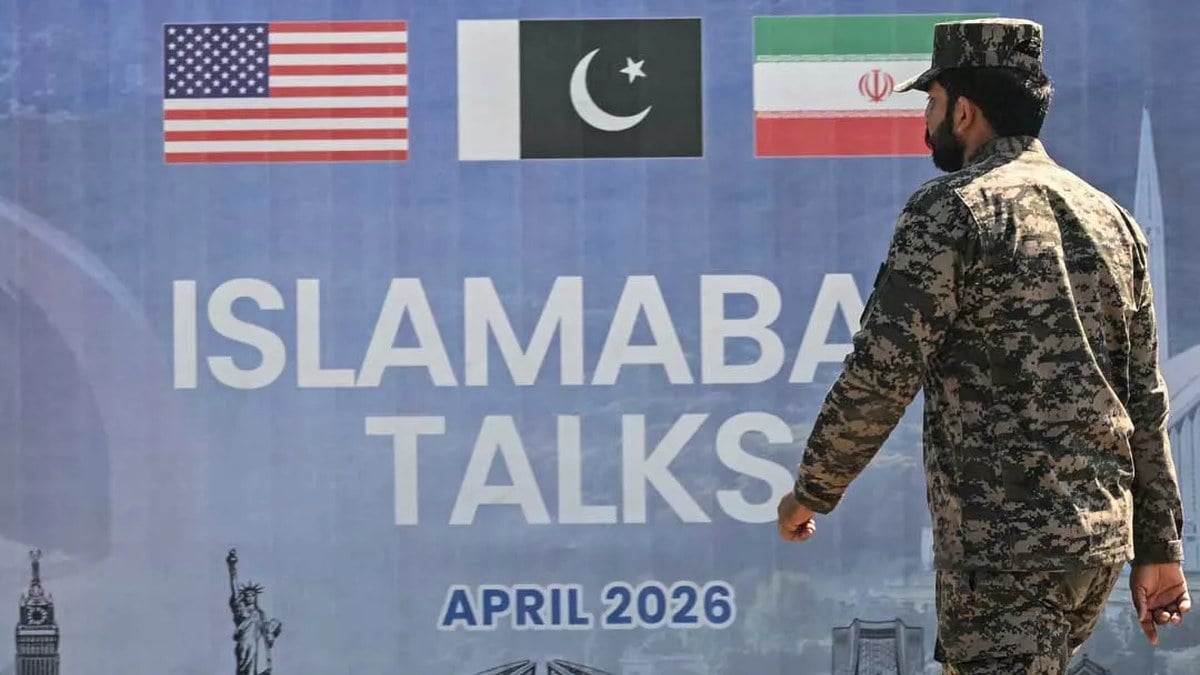
The 30-Second Skim7 points
- What happenedPakistan has emerged as the principal mediator between the U.S. and Iran since the February 28, 2026 bombing campaign, brokering an April 8 ceasefire and hosting the highest-level U.S.-Iran talks since the 1979 revolution in Islamabad — though VP Vance declared those negotiations failed on April 12.
- Key facts & numbersPakistan directly mediated the 8 April ceasefire between Washington and Tehran and hosted 11–12 April negotiations in Islamabad — the highest-level U.S.-Iran talks since the 1979 Iranian revolution. JD Vance announced on April 12 that the Islamabad negotiations failed to reach agreement, saying he was leaving after delivering Tehran what he called the 'final and best offer.' Anti-U.S. protests erupted across Pakistan in the war's first days: 11 killed in Karachi, 3 in Islamabad, and at least 13 in Gilgit, with Shia crowds attempting to storm the U.S. consulate and embassy red zone.
- What happens nextPakistan is 20% Shia and shares a porous border with Iran — and it's the top mediator in the U.S.-Iran war. The contradictions here are stunning.
- Pakistan directly mediated the 8 April ceasefire between Washington and Tehran and hosted 11–12 April negotiations in Islamabad — the highest-level U.S.-Iran talks since the 1979 Iranian revolution.
- JD Vance announced on April 12 that the Islamabad negotiations failed to reach agreement, saying he was leaving after delivering Tehran what he called the 'final and best offer.'
- Anti-U.S. protests erupted across Pakistan in the war's first days: 11 killed in Karachi, 3 in Islamabad, and at least 13 in Gilgit, with Shia crowds attempting to storm the U.S. consulate and embassy red zone.
- Pakistan's roughly 20% Shia population — the world's second-largest Shia community among its 240 million people — makes the mediator role domestically combustible, especially after the assassination of Iranian Supreme Leader Ali Khamenei.
Why It Matters
Pakistan is uniquely positioned to shuttle between Washington and Tehran — close to both, backed by China, and credible in the Gulf — but its 20% Shia minority, porous western border, and formal defense pact with Saudi Arabia make the role a high-wire act. With the April 12 talks collapsed and at least 27 protest deaths on its soil, Islamabad now owns responsibility for keeping adversaries at the table while absorbing the war's domestic fallout.
Sources Cited
- International Crisis GroupPakistan: A New Player in the Quest for a U.S.-Iran Breakthrough
Related Coverage
Ask SkimNews
The day’s news in one short email, every morning.
Free. One email a day. Unsubscribe in one click.