Pakistan’s US‑Iran Mediation Falters Amid Regional Wars
The 30-Second Skim
- What happened: Pakistan’s high‑profile mediation of stalled US‑Iran talks earned praise from Trump and the US delegation, yet its ongoing conflicts with Afghanistan and India and domestic political repression cast doubt on its credibility as a global peacemaker.
- Key facts & numbers: Pakistan hosted US‑Iran negotiations on April 11‑12 in Islamabad, which ended without a peace deal but were praised by both sides. Trump lauded Pakistani Prime Minister Shehbaz Sharif and Field Marshal Asim Munir on social media, claiming they saved 30‑50 million lives from a potential war with India. JD Vance told reporters that a key condition for reviving talks is Iran’s affirmative commitment not to pursue nuclear weapons.
- What happens next: Trump praised Pakistan’s US‑Iran talks, but its own wars with Afghanistan/India and a crackdown on Imran Khan betray the peacemaker hype.
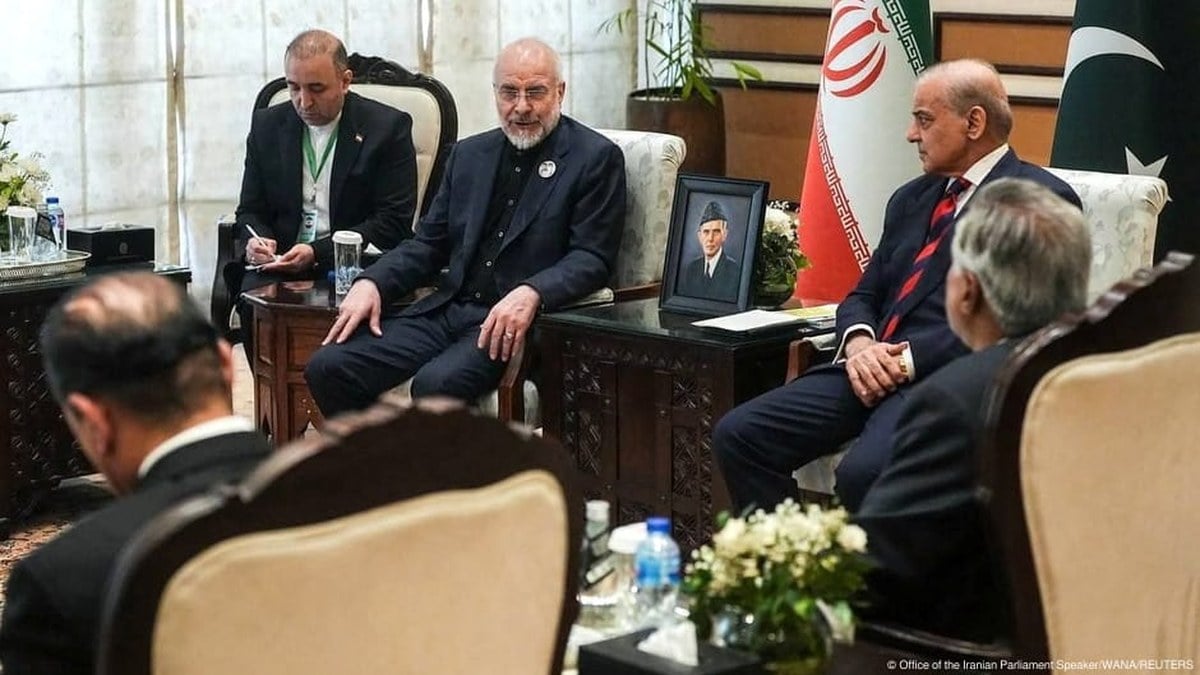
- Pakistan hosted US‑Iran negotiations on April 11‑12 in Islamabad, which ended without a peace deal but were praised by both sides.
- Trump lauded Pakistani Prime Minister Shehbaz Sharif and Field Marshal Asim Munir on social media, claiming they saved 30‑50 million lives from a potential war with India.
- JD Vance told reporters that a key condition for reviving talks is Iran’s affirmative commitment not to pursue nuclear weapons.
- Afghanistan remains in an “open war” with Pakistan, with the Pakistani air force targeting militant hideouts inside Afghanistan, while India and Pakistan continue strained relations after the May 2025 Kashmir escalation.
Why It Matters
Pakistan gains diplomatic visibility from hosting the US‑Iran talks, but the continued “open war” with Afghanistan, strained ties with India, and a crackdown on opposition figures erode its credibility, limiting its ability to act as a trusted mediator in regional conflicts.
Sources Cited
Related Coverage
Ask SkimNews