Qasem Basir Missile Debuts Against US Carrier Group
The 30-Second Skim7 points
- What happenedIran's Qasem Basir electro-optically guided anti-ship ballistic missile made its reported combat debut targeting the USS George Washington carrier group near the Strait of Hormuz, as the WSJ separately reported Iran is producing more missiles than before the war began.
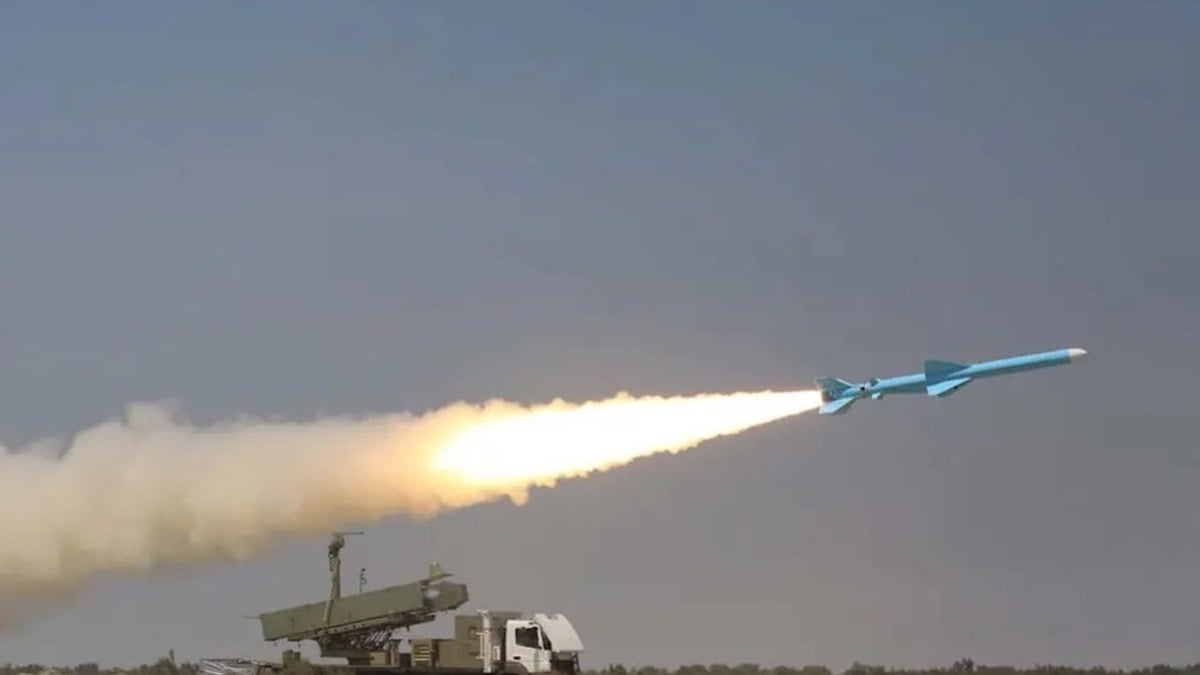
- Key facts & numbersIran reportedly fired the solid-fuel, 1,200-km-range Qasem Basir — carrying a 500-kg maneuverable warhead and passive electro-optical terminal sensors — at the USS George Washington and escort destroyers near the Strait of Hormuz; CENTCOM said all incoming attacks failed without US casualties. CENTCOM retaliated by destroying multiple Iranian crude tankers linked to the IRGC off Kharg Island and Jask, an "asymmetric economic deterrence" response that hit commercial rather than military targets. The Qasem Basir's electro-optical seeker compares terminal-phase imagery to stored reference data to correct onto a moving target and emits no detectable signal, making it harder to jam or detect than active-radar seekers.
- What happens nextBuried lede: while Hegseth said Iran can't regenerate missiles, the WSJ reports Iran is making more than before the war started. That's the actual escalation math.
- Iran reportedly fired the solid-fuel, 1,200-km-range Qasem Basir — carrying a 500-kg maneuverable warhead and passive electro-optical terminal sensors — at the USS George Washington and escort destroyers near the Strait of Hormuz; CENTCOM said all incoming attacks failed without US casualties.
- CENTCOM retaliated by destroying multiple Iranian crude tankers linked to the IRGC off Kharg Island and Jask, an "asymmetric economic deterrence" response that hit commercial rather than military targets.
- The Qasem Basir's electro-optical seeker compares terminal-phase imagery to stored reference data to correct onto a moving target and emits no detectable signal, making it harder to jam or detect than active-radar seekers.
- Iran's kill web may integrate Russian ISR satellites and signals intelligence with Chinese commercial imaging constellations for wide-area, sub-meter tracking, while Iranian coastal radar and the Khayyam satellite narrow targeting — placing the missile at the sharp end of a tiered chain.
Why It Matters
Terminal optical guidance on a solid-fuel anti-ship missile, paired with Russian and Chinese ISR support, means US carriers and destroyers could face saturation attacks that deplete finite interceptor stockpiles without needing a sinking. The WSJ-reported missile production resurgence — contradicting Hegseth's claim that Iran couldn't regenerate — means Tehran can sustain that pressure longer than US officials publicly concede.
Sources Cited
Related Coverage
Ask SkimNews
The day’s news in one short email, every morning.
Free. One email a day. Unsubscribe in one click.