Russia advances Poseidon‑armed Khabarovsk submarine
The 30-Second Skim
- What happened: Russia is now fitting‑out the nuclear‑powered Khabarovsk submarine, its dedicated platform for the Poseidon intercontinental torpedo, marking a new phase in its undersea nuclear deterrence and challenging U.S. anti‑submarine capabilities.
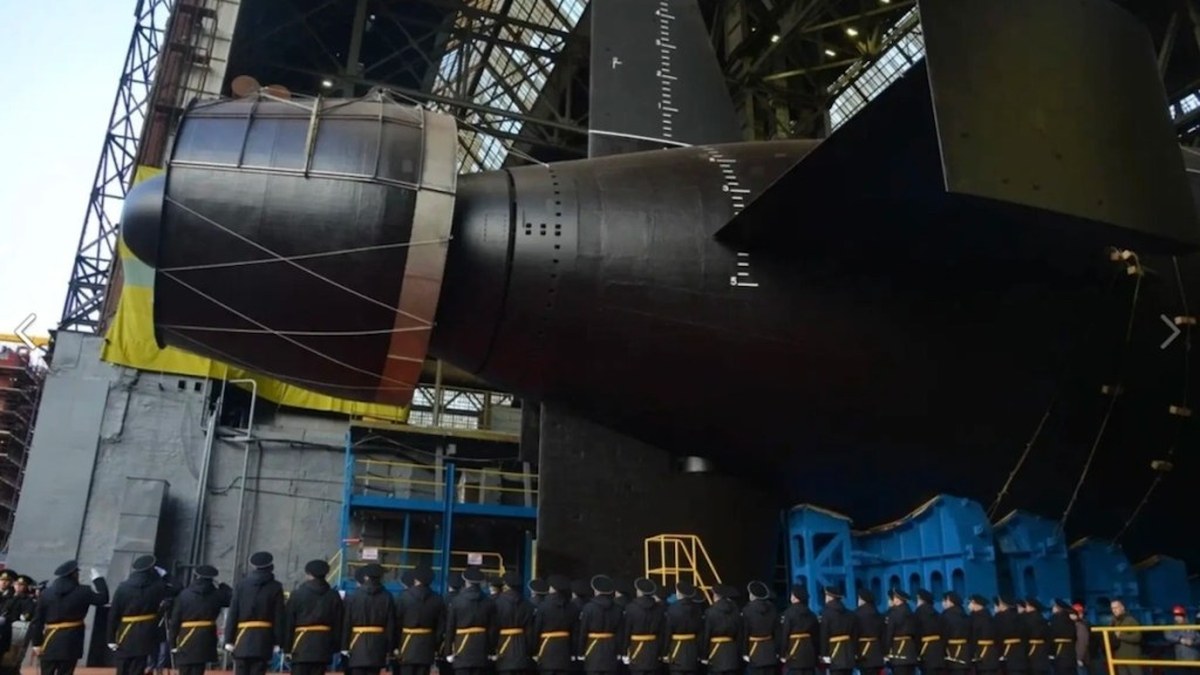
- Key facts & numbers: Russia is advancing deployment of the Poseidon nuclear torpedo aboard the Khabarovsk submarine, which is currently undergoing fitting‑out in Severodvinsk, as shown by satellite imagery. Khabarovsk is a purpose‑built 135‑meter nuclear‑powered submarine that integrates Borei‑class and Belgorod design elements and is believed to carry up to six Poseidon torpedoes in side hangars plus limited conventional torpedoes. Poseidon is a nuclear‑powered, nuclear‑armed intercontinental torpedo capable of roughly 70 knots speed, unlimited range via a miniature reactor, and diving to depths of up to one kilometer, allowing it to evade conventional missile defenses.
- What happens next: Most coverage hypes Poseidon as a new nuclear missile, but the piece shows the bottleneck is the US's lack of a long‑range anti‑sub weapon.
- Russia is advancing deployment of the Poseidon nuclear torpedo aboard the Khabarovsk submarine, which is currently undergoing fitting‑out in Severodvinsk, as shown by satellite imagery.
- Khabarovsk is a purpose‑built 135‑meter nuclear‑powered submarine that integrates Borei‑class and Belgorod design elements and is believed to carry up to six Poseidon torpedoes in side hangars plus limited conventional torpedoes.
- Poseidon is a nuclear‑powered, nuclear‑armed intercontinental torpedo capable of roughly 70 knots speed, unlimited range via a miniature reactor, and diving to depths of up to one kilometer, allowing it to evade conventional missile defenses.
- Perimeter is Russia’s nuclear command‑and‑control system that can autonomously launch Poseidon torpedoes already on patrol if Russia’s command structure is destroyed, directing them toward US port cities beyond the reach of US anti‑submarine weapons.
Why It Matters
Russia gains a stealthy, survivable second‑strike option that bypasses missile defenses, while the United States loses a long‑range anti‑submarine countermeasure, widening the strategic gap in undersea warfare. The deployment also forces NATO allies to reassess deterrence postures, as Poseidon’s autonomous launch capability via Perimeter could target coastal cities without prior warning.
Sources Cited
Related Coverage
Ask SkimNews