South Korea's Lee Pushes to Reclaim Wartime Command from US
The 30-Second Skim7 points
- What happenedSouth Korean President Lee Jae Myung on March 27 declared his government would swiftly reclaim wartime operational control from the United States and pursue selective conscription, citing the Ukraine and Middle East wars and North Korean threats as evidence the alliance must evolve.
- Key facts & numbersPresident Lee Jae Myung on March 27 told military leaders at the defence ministry that South Korea would seek to reclaim wartime operational control from the US at an early date, declaring that 'excessive dependence is not desirable' even as the alliance remains 'an essential pillar of peace and stability.' Lee's administration aims to finalize the wartime command transfer during his term, which runs through 2030, but only once South Korea meets a set of military capability conditions previously agreed with the US. Lee also pledged military reform through selective conscription — keeping mandatory service but allowing eligible recruits to choose volunteer or alternative pathways and adjusting service terms to address shrinking military manpower caused by demographic change.
- What happens nextLee's pitch: 'We love the alliance, but we're not ready to keep outsourcing our own defense.' The selective conscription angle is the quietly radical one — letting recruits pick their path.
- President Lee Jae Myung on March 27 told military leaders at the defence ministry that South Korea would seek to reclaim wartime operational control from the US at an early date, declaring that 'excessive dependence is not desirable' even as the alliance remains 'an essential pillar of peace and stability.'
- Lee's administration aims to finalize the wartime command transfer during his term, which runs through 2030, but only once South Korea meets a set of military capability conditions previously agreed with the US.
- Lee also pledged military reform through selective conscription — keeping mandatory service but allowing eligible recruits to choose volunteer or alternative pathways and adjusting service terms to address shrinking military manpower caused by demographic change.
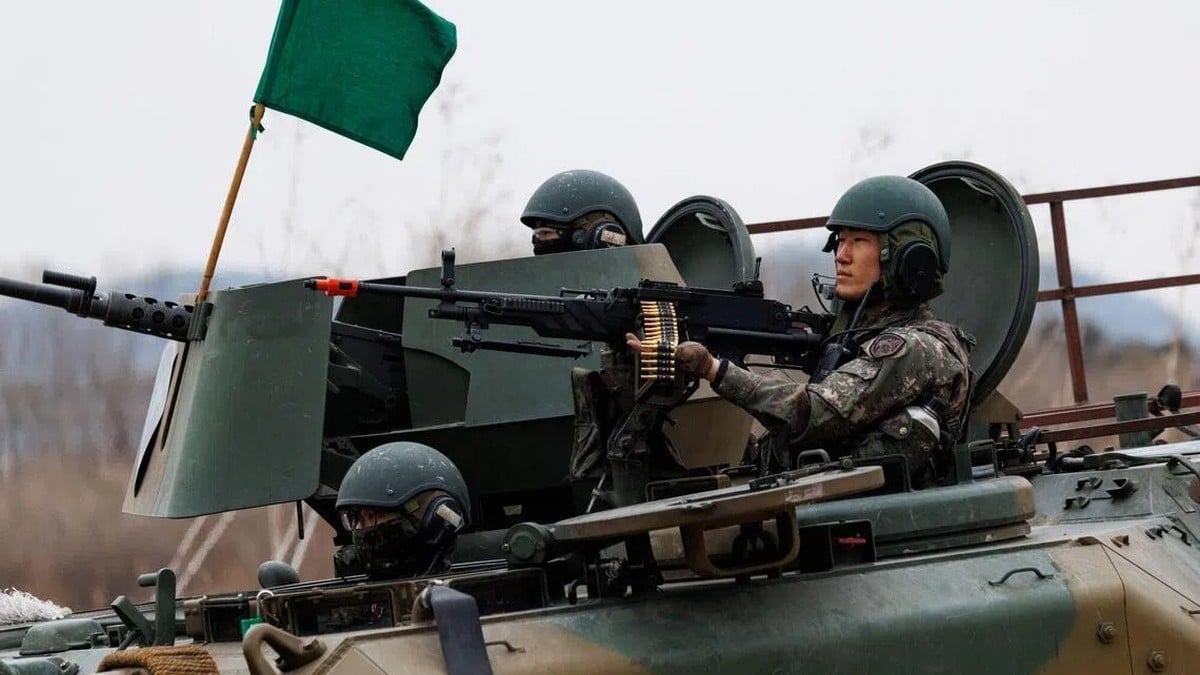
- The South Korean armed forces are largely made up of conscripts, with most men required to serve around 18 months, a structure that reflects the country's technically still-at-war status with North Korea in the absence of a peace treaty since the 1953 armistice.
Why It Matters
The OPCON transfer is gated on South Korea meeting military capability benchmarks already negotiated with the US — a prerequisite that has stalled every previous South Korean attempt to reclaim wartime command. The simultaneous move to selective conscription would mark the first structural overhaul of mandatory service in decades, directly responding to a shrinking recruit pool that demographic decline has already thinned.
Background & Timeline
- Editor contextPairing wartime command transfer with selective conscription narrows the conscript base while expanding Seoul's independent operational authority — a structural rebalancing that resurfaces questions about civil-military accountability in a society still processing its authoritarian-era military legacy.
Sources Cited
Related Coverage
Ask SkimNews