Sánchez Denies Ceuta Warnings as Opposition Demands Resignation
The 30-Second Skim7 points
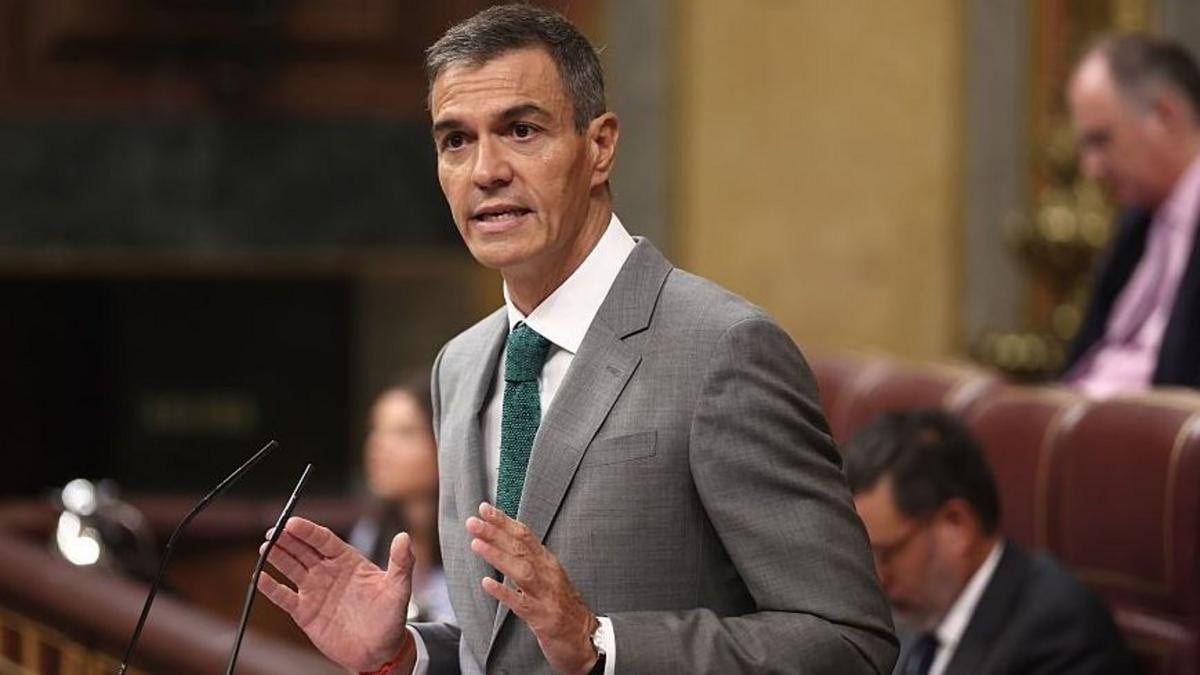
- What happenedSpanish Prime Minister Pedro Sánchez defended his handling of the Ceuta migrant crisis in parliament, denying prior warnings and rejecting claims that Morocco orchestrated the 72,000-person influx, as opposition leader Feijóo called for his resignation.
- Key facts & numbersPedro Sánchez told Spain's parliament that no-one foresaw the July 30-31 influx of 72,000 migrants into Ceuta and dismissed opposition accusations that the government had been warned. A Spanish police report flagged the "total permissiveness" of Moroccan security forces during the crossing, though senior officials insist the document does not assign blame to Rabat. Opposition leader Alberto Núñez Feijóo accused the government of lying and a cover-up, claimed the crisis "originated in Morocco" and was known in advance, and demanded Sánchez resign.
- What happens nextSánchez's wildest claim — Russia/Israel-linked social media fueling Ceuta — barely registers. Coverage is stuck on Morocco.
- Pedro Sánchez told Spain's parliament that no-one foresaw the July 30-31 influx of 72,000 migrants into Ceuta and dismissed opposition accusations that the government had been warned.
- A Spanish police report flagged the "total permissiveness" of Moroccan security forces during the crossing, though senior officials insist the document does not assign blame to Rabat.
- Opposition leader Alberto Núñez Feijóo accused the government of lying and a cover-up, claimed the crisis "originated in Morocco" and was known in advance, and demanded Sánchez resign.
- About 5,000 migrants remain in Ceuta — including up to 1,400 children — though Spain and Morocco returned more than 90% of arrivals within 72 hours of the initial surge.
Why It Matters
Feijóo's resignation call and Italy's border restrictions have converted a regional humanitarian emergency into a direct political threat to Sánchez's government. The Socialist leader must now defend his refusal to blame Morocco in parliament while pressing Rabat on its sovereignty claims over Ceuta and Melilla, an already unstable diplomatic balance that has spilled into unrelated fights with Russia and Israel over social-media allegations.
Sources Cited
Related Coverage
Ask SkimNews
The day’s news in one short email, every morning.
Free. One email a day. Unsubscribe in one click.