Trump Rejects Iran Deal, Redirects Vance
The 30-Second Skim
- What happened: Trump’s rejection of a new Iran deal has exposed a widening split inside his administration just as diplomacy continues through intermediaries, leaving the war without a settled military or political off-ramp.
- Key facts & numbers: Trump said he had told Vance, "We don’t need a deal with Iran," and redirected him toward corruption and crime in Democratic-run cities and states after Democrats won Congress in the midterms. Vance led April talks in Islamabad that produced a June memorandum of understanding, then held direct talks in Switzerland and joined renewed diplomacy involving Qatari and Pakistani mediators; the memorandum collapsed over disagreements, especially control of the Strait of Hormuz. Ghalibaf said Iran sent Washington a seven-condition ceasefire proposal through Qatari mediators, including ending the port blockade, lifting sanctions and releasing frozen funds; Washington insists on a nuclear agreement first, while Iran wants that negotiated separately.
- What happens next: Both headlines focus on Vance, but Iran’s seven-condition proposal is waiting for Washington while Vance remains in the diplomatic channel.
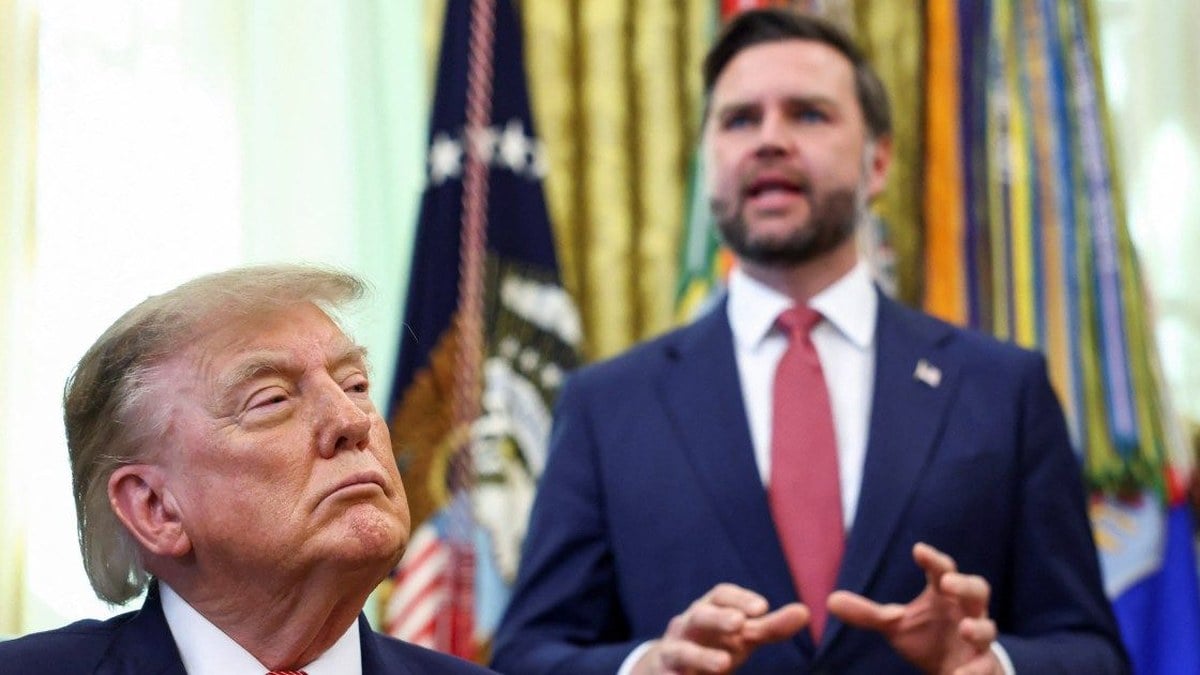
- Trump said he had told Vance, "We don’t need a deal with Iran," and redirected him toward corruption and crime in Democratic-run cities and states after Democrats won Congress in the midterms.
- Vance led April talks in Islamabad that produced a June memorandum of understanding, then held direct talks in Switzerland and joined renewed diplomacy involving Qatari and Pakistani mediators; the memorandum collapsed over disagreements, especially control of the Strait of Hormuz.
- Ghalibaf said Iran sent Washington a seven-condition ceasefire proposal through Qatari mediators, including ending the port blockade, lifting sanctions and releasing frozen funds; Washington insists on a nuclear agreement first, while Iran wants that negotiated separately.
- Rubio said Washington’s economic pressure on Iran was proving effective and would worsen, making renewed large-scale military operations unnecessary; Trump separately called further strikes "quite unlikely."
Why It Matters
CENTCOM says 4,000 ships carried more than 1.7 billion barrels through Hormuz with military help, but Iran reports 12 tankers hit in 12 days. Commercial operators bear the immediate cost in insurer refusals or sharply higher premiums, leaving Washington’s claim that it controls the route in direct tension with the risk on the water.
Sources Cited
Related Coverage
Ask SkimNews