Trump Weighs Iran Pressure Amid Team Divisions
The 30-Second Skim
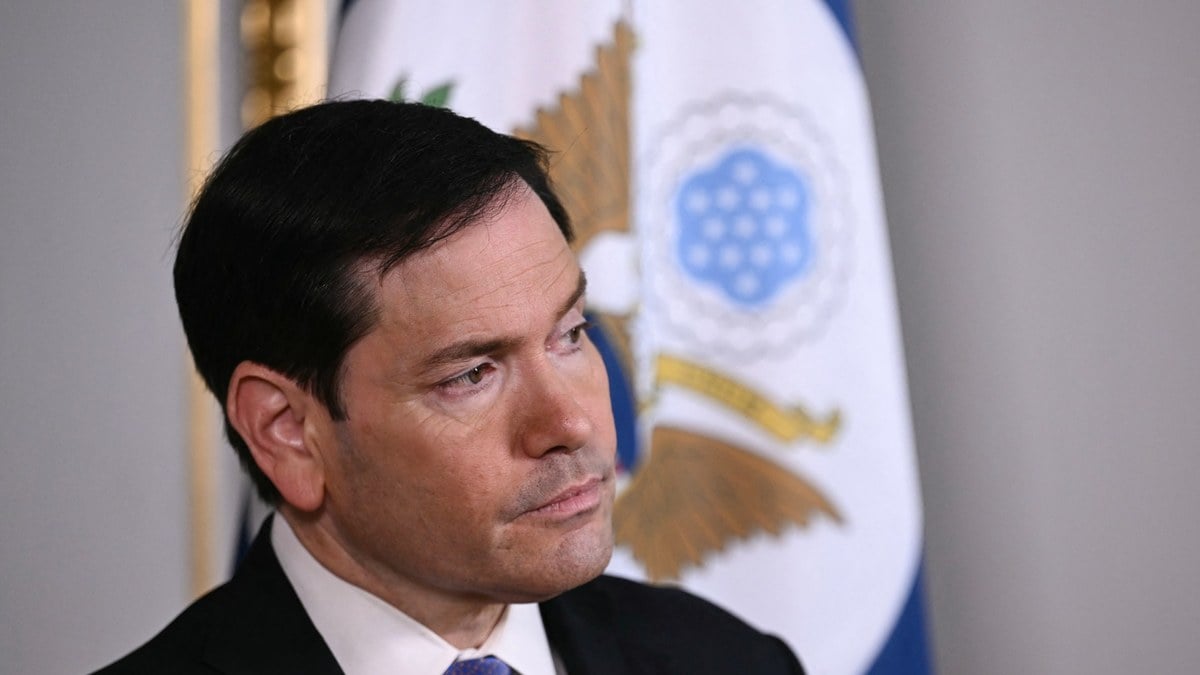
- What happened: Secretary of State Marco Rubio affirmed the effectiveness of the US economic blockade against Iran, stating it negates the need for major combat. Vice President JD Vance, however, supports a diplomatic deal, highlighting strategic rifts within Trump’s administration.
- Key facts & numbers: 71% of Americans, including 51% of Republicans, support congressional action to halt the Iran war, according to a Reuters/Ipsos poll. Rubio made his remarks on November 10, 2026, after a G7 meeting in Paris.
- What happens next: The US and Iran have reached a preliminary deal pending Trump’s final approval, officials told Axios, with potential sanctions adjustments expected within weeks if ratified.
Why It Matters
The divergence between Rubio and Vance signals a fragile consensus within the Trump administration, with long-term sanctions risking regional instability and economic fallout for US allies like Pakistan and Turkiye. A sustained blockade could deter investment in the Gulf and disrupt global energy markets, especially if enforcement weakens covertly.
Public opinion, with 71% of Americans favoring war cessation, increases pressure on Congress to act. If Trump opts for a quiet sanctions rollback, it may allow economic normalization with Iran while preserving political face, but could trigger backlash from hardliners and undermine nonproliferation credibility.
How Outlets Are Framing It
- [Al Jazeera / Geopolitical Critique]: Focuses on internal US policy contradictions and risks of prolonged sanctions, highlighting regional instability and diplomatic stalemate.
- [Axios / Insider Policy Lens]: Emphasizes behind-the-scenes deal-making, citing a pending US-Iran agreement awaiting Trump’s approval and internal administration alignment.
- [The Hollywood Reporter / Cultural-Political Angle]: Frames Vance and Rubio as potential 2028 ticket contenders, linking foreign policy stances to future electoral strategy.
Background & Timeline
- September 2026: Iran proposed a seven-day plan to reopen the Strait of Hormuz, later reducing it to two days, conditional on sanctions relief.
- June 2026: A US-Iran memorandum of understanding collapsed, leading to renewed sanctions and the current blockade.
Sources Cited
Related Coverage
- Trump Rejects Iran Deal, Redirects VanceAl Jazeera
- Rubio says Trump's war against Iran not 'necessarily popular' but needed to stop a nuclear threatThe Hindu
- Rubio sees little hope of diplomatic breakthrough to Mideast deadlock amid 'outrageous' Iranian demandsGoogle News World
- Trump advisers warn Iran conflict could last through end of his term: ReportIndia Today World
Ask SkimNews