Trump tariffs cover 14 partners; deals shape rates
The 30-Second Skim3 points
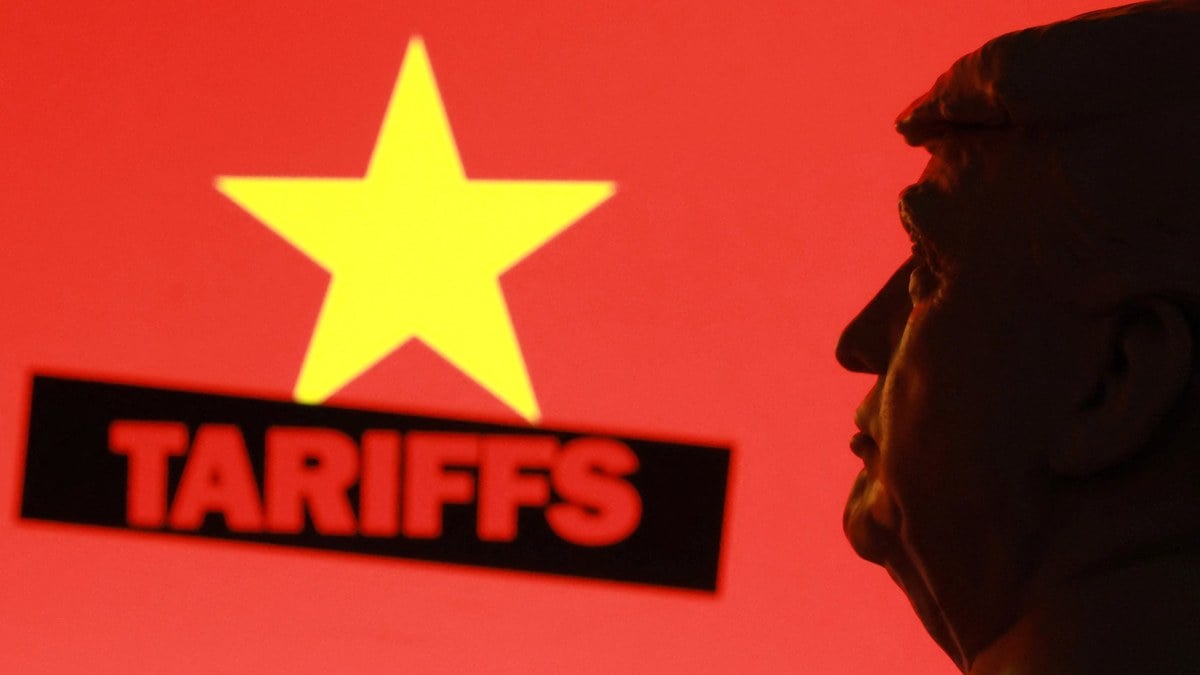
- What happenedThe USTR proposed tariffs of 20% to 40% on 14 trading partners, citing “structural excess capacity” and other unfair practices. For China, India, Vietnam and Singapore, the rates depend on whether Washington reaches trade agreements.
- Key facts & numbersChina’s rate could double to 40% if talks fail by January 10; Vietnam faces 35% without a deal, India 25% and Singapore 20%, versus 20%, 17% and 10% with agreements.
- What happens nextTalks with China, India, Vietnam and Singapore are the immediate tests, with the US-China truce expiring January 10 and tariffs potentially starting in January at the earliest.
Outlets differ on this. The Hindu and The Hill frame it differently. See how they frame it
Why It Matters
Washington’s design turns agreements into tariff relief: China, Vietnam, India and Singapore receive lower rates if they conclude deals, while failure triggers sharply higher duties. China faces the largest maximum, 40%, alongside a January 10 truce deadline.
The stated industrial goal and bargaining tactic coexist. The administration says subsidies and excess capacity erode US manufacturing; Inga Fechner said the changing legal rationale is increasingly difficult to unwind, while Josh Lipsky described the design as a durable “tariff web.” Mexico, investigated but not tariffed, shows how threatened duties can serve as leverage before taking effect.
How Outlets Are Framing It
- Channel News AsiaIts headline reads the tariffs as pressure on Asian partners to make deals, matching the source’s central finding that several rates climb when negotiations fail. The coverage converges on leverage.
- The HinduIt adds an Indian counterweight, saying experts see no substantial threat and advise India not to rush into a trade deal, despite the broader pressure narrative.
- The HillIt centers the EU’s rejection of the rationale, matching Maros Sefcovic’s insistence that Washington honor the bloc’s agreed 15% tariff limit for imports from the EU.
Background & Timeline
- April 2025: Trump imposed the sweeping “Liberation Day” tariffs on almost all US partners under emergency powers, citing unfair practices that harmed domestic manufacturing.
- February, then July this year: The Supreme Court struck down the first round; the administration then used Section 301 to impose more tariffs on more than 80 countries over forced-labor import restrictions.
Sources Cited
- Globe and Mail WorldChina, other U.S. trading partners oppose Trump’s new tariffs plans
- Atlantic CouncilWhy Trump’s newest tariffs could stick
Related Coverage
The day’s news in one short email, every morning.
Free. One email a day. Unsubscribe in one click.