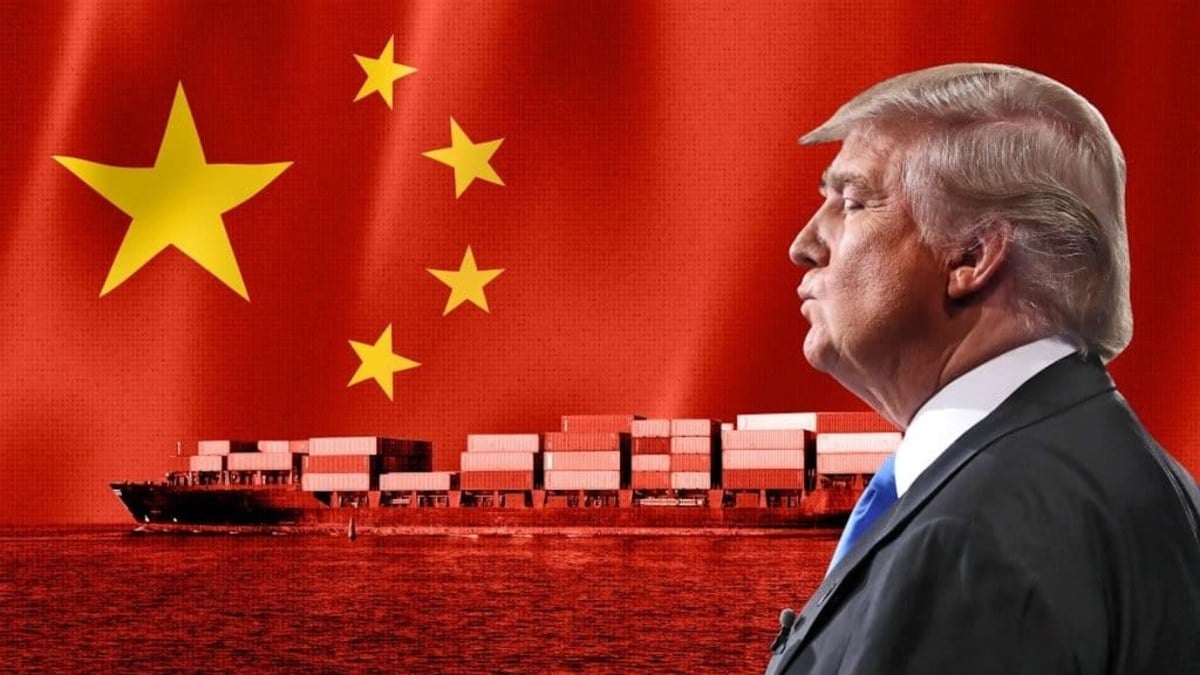
Trump Tariffs Push Global South Toward China
The 30-Second Skim7 points
- What happenedTrump's escalating tariff fights with allies and partners are accelerating Global South diversification toward China, even as Beijing maintains its own protectionist trade barriers at home.
- Key facts & numbersTrump imposed 50% tariffs on roughly $20 billion of Canadian goods after August negotiations collapsed; Ottawa retaliated with matching duties and Trump threatened 50% levies on Canadian cars, trucks and parts from January — despite the US still absorbing nearly 70% of Canadian exports. Carney reached a preliminary economic and trade understanding with Beijing allowing up to 49,000 Chinese electric vehicles into Canada at a 6.1% tariff; China suspended 100% tariffs on Canadian canola meal and peas and 25% duties on lobster and crab for most of 2026. From May 1, China removed tariffs on imports from all 53 African countries with which it has diplomatic ties; South Africa signed a framework agreement with Beijing in February while trying to offset damage from a 30% US tariff imposed the previous year.
- What happens nextThe article's buried kicker: China's beef quota system with a 55% above-quota tariff starting January proves Beijing is selling access, not free trade — and that makes the US tariff damage self-inflicted.
- Trump imposed 50% tariffs on roughly $20 billion of Canadian goods after August negotiations collapsed; Ottawa retaliated with matching duties and Trump threatened 50% levies on Canadian cars, trucks and parts from January — despite the US still absorbing nearly 70% of Canadian exports.
- Carney reached a preliminary economic and trade understanding with Beijing allowing up to 49,000 Chinese electric vehicles into Canada at a 6.1% tariff; China suspended 100% tariffs on Canadian canola meal and peas and 25% duties on lobster and crab for most of 2026.
- From May 1, China removed tariffs on imports from all 53 African countries with which it has diplomatic ties; South Africa signed a framework agreement with Beijing in February while trying to offset damage from a 30% US tariff imposed the previous year.
- Brazil now faces a new 25% US tariff imposed in July affecting an estimated $7 billion to $11 billion of exports, even though the US has consistently run a trade surplus with Brazil; India is still negotiating a deal with Washington after a fresh 10% US duty was applied to 55% of its exports to the American market, per India's commerce ministry.
Why It Matters
Countries that build trade routes, financing channels and political options outside the US system become harder for Washington to pressure later, and China gains without winning anyone's loyalty. Brazil, India, South Africa and Canada all retain deep ties to the US economy yet are visibly accelerating hedging — Canada's preliminary EV-for-canola deal, South Africa's February framework with Beijing and Brazil's scramble to diversify after a 25% July tariff show diversification is now operational, not theoretical.
Sources Cited
Related Coverage
Ask SkimNews
The day’s news in one short email, every morning.
Free. One email a day. Unsubscribe in one click.