Trump, Xi and Putin Summit Yields No Deal
The 30-Second Skim7 points
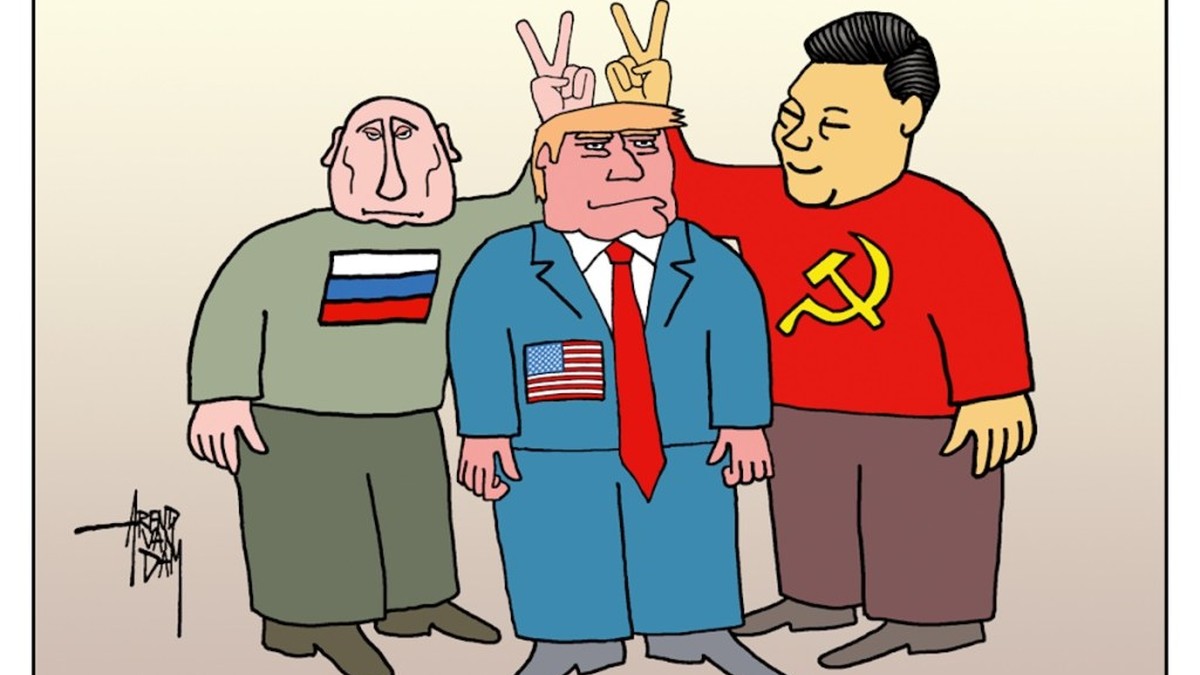
- What happenedTrump’s November 19 Shenzhen meeting with Xi and Putin produced no reported substantive agreement, undercutting the “historic” billing and leaving a photo-opportunity summit defined by rhetoric rather than coordinated policy.
- Key facts & numbersTrump met Xi Jinping and Vladimir Putin in Shenzhen on November 19, with no substantive agreement reported; the source calls the encounter a photo opportunity despite headlines that framed it as “historic.” Putin’s Ukraine war stood to benefit from the summit pledge to increase petroleum-product production; the source says the pledge would help finance the war and had exposed the stated U.S. sanctions effort to restrict Russia’s fossil-fuel sales as a fiction. International Criminal Court and other international bodies were warned by the Russia-China joint statement not to abuse their authority; the statement also called state-official immunity of “utmost importance,” a position the source contrasts with the 1945 Tokyo and Nuremberg tribunals created to enforce accountability.
- What happens nextBuried beneath the “photo op” verdict: the summit still produced an oil-output pledge, a nuclear no-war line and a joint demand for official immunity.
- Trump met Xi Jinping and Vladimir Putin in Shenzhen on November 19, with no substantive agreement reported; the source calls the encounter a photo opportunity despite headlines that framed it as “historic.”
- International Criminal Court and other international bodies were warned by the Russia-China joint statement not to abuse their authority; the statement also called state-official immunity of “utmost importance,” a position the source contrasts with the 1945 Tokyo and Nuremberg tribunals created to enforce accountability.
- NATO members and Ukraine had faced Vladimir Putin’s nuclear threats since February 2022, while the Russia-China statement declared that a nuclear war “cannot be won and must never be fought”; the source urges caution about the pledge’s significance.
- Elbridge Colby, the Trump administration’s deputy secretary of defense for policy, attacked Ukraine at a NATO meeting on November 17 for using deep strikes against Russian oil refineries and the Kerch Bridge; the source treats the episode as evidence the administration seeks a Russian victory.
Why It Matters
The November 19 pledge to increase petroleum-product production would help Putin finance the Ukraine war, according to the source, and undercuts the stated U.S. sanctions effort to restrict Russia’s fossil-fuel sales. Because the summit produced no substantive agreement on anything else, that oil pledge is the clearest material consequence the author identifies.
Sources Cited
- Asia TimesA summit of villain-hypocrites
Related Coverage
The day’s news in one short email, every morning.
Free. One email a day. Unsubscribe in one click.