Pakistan Sees US‑China Lower Energy Costs
The 30-Second Skim6 points
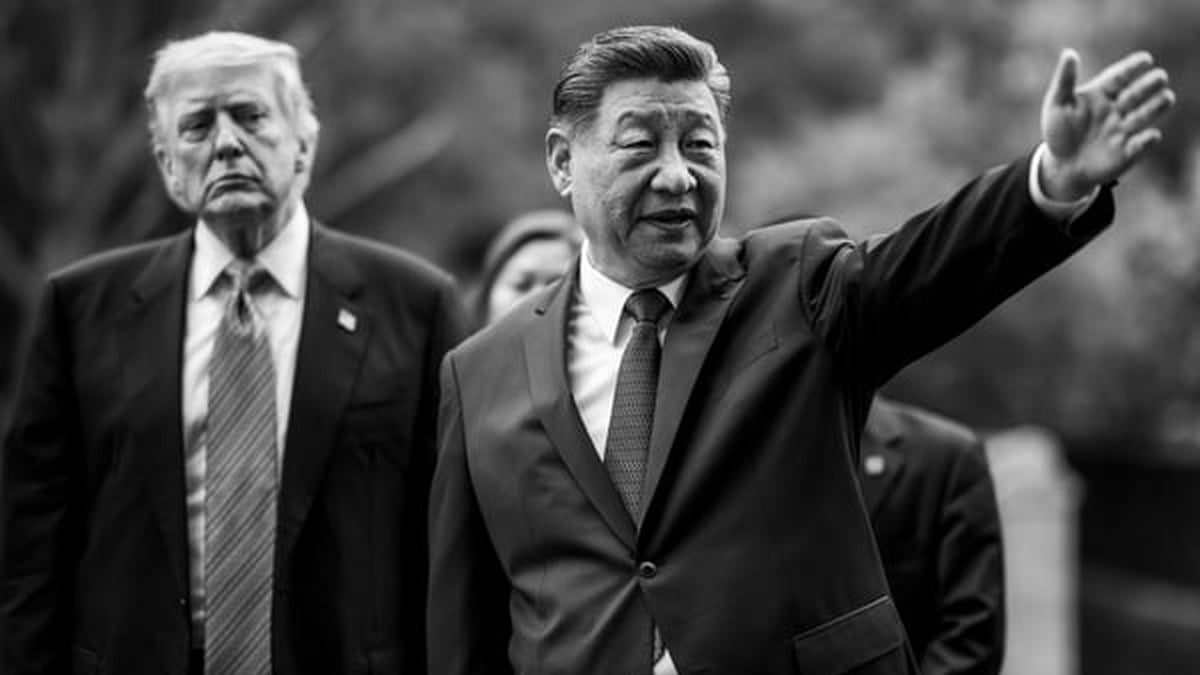
- What happenedAfter a fragile US‑Iran ceasefire, President Donald Trump and President Xi Jinping finally held their postponed Beijing summit, expanding talks to the Strait of Hormuz and a lasting Iran settlement. Pakistan and other Global South nations see the US‑China rapprochement as a chance to lower energy costs and simplify their diplomatic balancing act.
- Key facts & numbersTrump met with Xi in Beijing this week for a summit that was delayed from April 2026 due to the Israel‑U.S. war on Iran, now proceeding after a fragile US‑Iran ceasefire. China’s Ministry of Foreign Affairs called the visit a landmark moment that injected “much‑needed stability and certainty into the world,” and both sides pledged to strengthen communication on regional issues. Pakistan views the summit as an opportunity to ease its diplomatic balancing act among the US, China, Iran, and Gulf states, hoping that reduced US‑China tension will lessen the burden of constant balancing.
- Trump met with Xi in Beijing this week for a summit that was delayed from April 2026 due to the Israel‑U.S. war on Iran, now proceeding after a fragile US‑Iran ceasefire.
- China’s Ministry of Foreign Affairs called the visit a landmark moment that injected “much‑needed stability and certainty into the world,” and both sides pledged to strengthen communication on regional issues.
- Pakistan views the summit as an opportunity to ease its diplomatic balancing act among the US, China, Iran, and Gulf states, hoping that reduced US‑China tension will lessen the burden of constant balancing.
- Iran‑U.S. conflict has led to partial closures of the Strait of Hormuz, forcing South Asian nations like Pakistan to source oil elsewhere, driving up energy costs and complicating trade routes.
Why It Matters
Pakistan stands to gain cheaper oil and steadier trade routes as US‑China cooperation eases Strait of Hormuz disruptions, while energy‑importing neighbors lose the premium of alternative sourcing.
Background & Timeline
- ContextWhen great powers converge, middle powers lose the leverage that comes from hedging — so the very US‑China cooperation that lowers energy costs for Pakistan may simultaneously shrink its room to maneuver between Washington and Beijing.
Sources Cited
- The DiplomatPakistan and the Trump-Xi Summit in Beijing
Related Coverage
Ask SkimNews
The day’s news in one short email, every morning.
Free. One email a day. Unsubscribe in one click.