Gabbard Resigns as Intel Chief Amid Iran War Rift
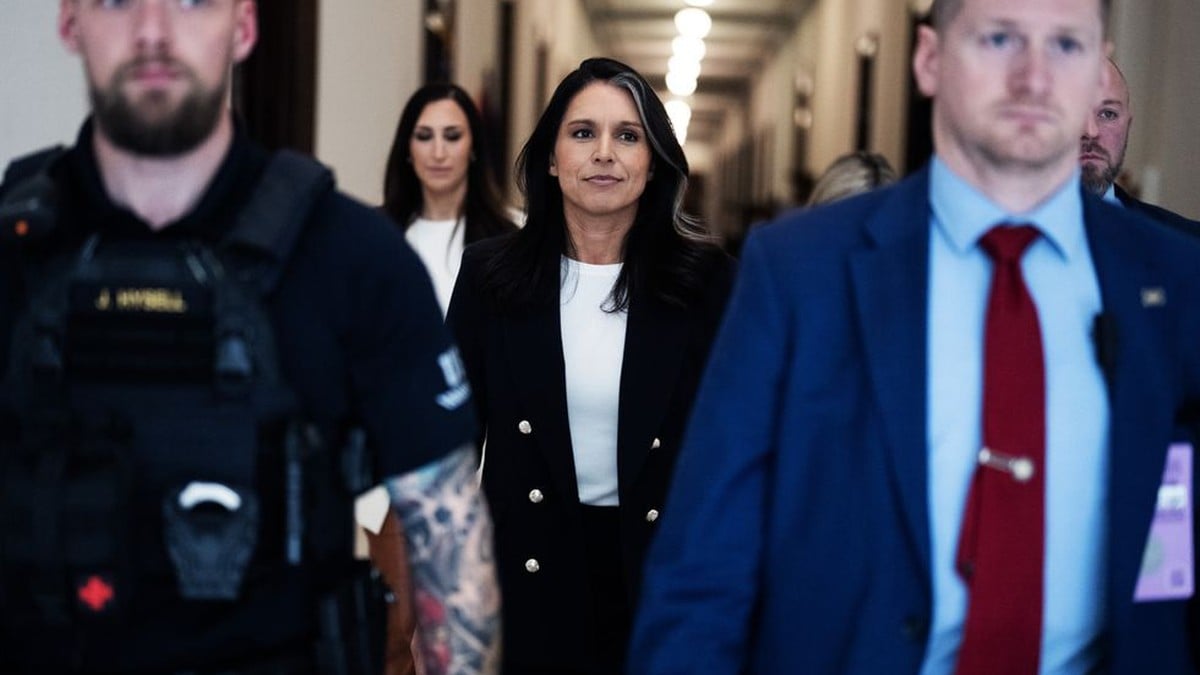
The 30-Second Skim7 points
- What happenedTulsi Gabbard resigned as Director of National Intelligence on Friday, officially citing her husband's rare bone cancer, though reports suggest she was pushed out after clashing with President Trump over the Iran war.
- Key facts & numbersTulsi Gabbard resigned as Director of National Intelligence on Friday, officially citing her husband's rare bone cancer, though reports indicate she was "squeezed out" after months of tensions with Trump over the Iran war. In a March hearing, Gabbard declined to call Iran an imminent threat to the U.S., and her office said before Operation Midnight Hammer that Iran was not actively building a nuclear weapon — consistent with intelligence assessments dating back to 2007. Curt Mills, executive director of the American Conservative, called the departure "an admixture" of moral protest, familial duty, and being ousted, and argued that anyone opposing the war should have already resigned.
- What happens nextThe official story is her husband's cancer. The real story: the war cabinet has shrunk to Trump and a few hawks, and every realist is being pushed out.
- Tulsi Gabbard resigned as Director of National Intelligence on Friday, officially citing her husband's rare bone cancer, though reports indicate she was "squeezed out" after months of tensions with Trump over the Iran war.
- In a March hearing, Gabbard declined to call Iran an imminent threat to the U.S., and her office said before Operation Midnight Hammer that Iran was not actively building a nuclear weapon — consistent with intelligence assessments dating back to 2007.
- Curt Mills, executive director of the American Conservative, called the departure "an admixture" of moral protest, familial duty, and being ousted, and argued that anyone opposing the war should have already resigned.
- Former NSC official Joe Kent, who himself resigned in protest, said the office was "closed off" from the president and that "the circle shrunk down to just the president and a handful of advisors" after the 12-day war.
Why It Matters
Gabbard's exit removes the most prominent anti-war voice from U.S. intelligence as the administration prosecutes war with Iran. Her refusal to endorse the "imminent threat" framing — backed by 2007-era assessments — put her at odds with hardliners, and Kent's account suggests the NSC process had collapsed, leaving Trump advised by a tiny inner circle.
Sources Cited
- Responsible StatecraftTulsi Gabbard needed a Trump exit, with integrity and principles intact
Related Coverage
Ask SkimNews
The day’s news in one short email, every morning.
Free. One email a day. Unsubscribe in one click.