Ukraine drones hit Arctic gas plants 3,000km in Russia
The 30-Second Skim7 points
- What happenedUkraine's drones struck two gas processing plants in Russia's Arctic Yamalo-Nenets region more than 3,000km from the border, marking Kyiv's deepest cross-border attack and threatening a region that produces 80% of Russia's natural gas.
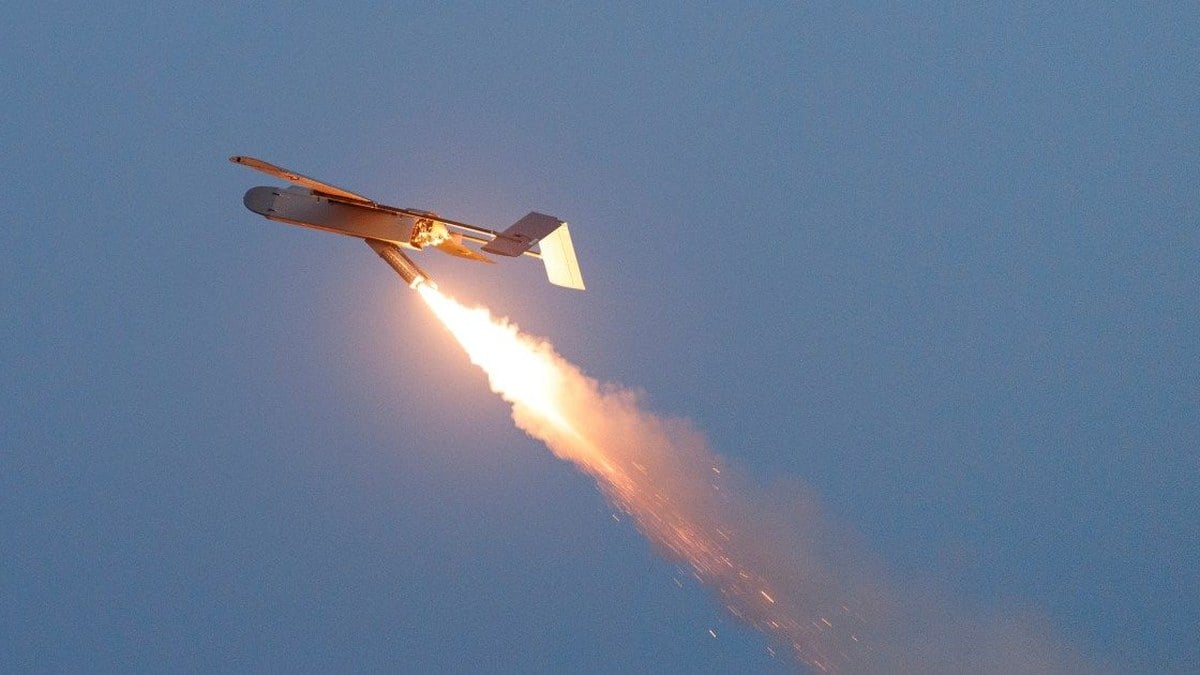
- Key facts & numbersUkraine used domestically produced FP-1 drones from Fire Point — about 6 meters wide, 140-180km/h, under $60,000 each — to strike Novy Urengoy and Purovsky gas plants more than 3,000km from its border on Wednesday, surpassing July's 2,500km Omsk refinery strike. Yamalo-Nenets Autonomous Okrug hosts roughly 80% of Russia's natural gas production and two-thirds of its gas reserves, with Novy Urengoy known as Russia's 'gas capital.' Governor Dmitry Artyukhov confirmed on Telegram that drones were intercepted but debris sparked a fire on impact, with no deaths or injuries reported.
- What happens nextGas at highest since 2023, reserves 65% vs 80% — same day, EU auditor admits Europe can't quit Russian gas yet. The drone strike is the easy story.
- Ukraine used domestically produced FP-1 drones from Fire Point — about 6 meters wide, 140-180km/h, under $60,000 each — to strike Novy Urengoy and Purovsky gas plants more than 3,000km from its border on Wednesday, surpassing July's 2,500km Omsk refinery strike.
- Yamalo-Nenets Autonomous Okrug hosts roughly 80% of Russia's natural gas production and two-thirds of its gas reserves, with Novy Urengoy known as Russia's 'gas capital.'
- Governor Dmitry Artyukhov confirmed on Telegram that drones were intercepted but debris sparked a fire on impact, with no deaths or injuries reported.
- Dutch TTF gas prices rose above €80 ($93) per megawatt-hour this week, the highest since 2023, while EU gas reserves sit at about 65% versus 80% a year earlier.
Why It Matters
Russia's economic lifeline — the Yamalo-Nenets region producing 80% of its natural gas — is now within reach of cheap Ukrainian drones, while Europe simultaneously faces €80/MWh gas prices (highest since 2023), reserves at 65% versus 80% last year, and the EU auditor's same-day finding that member states haven't invested enough to replace Russian supply.
Sources Cited
Related Coverage
Ask SkimNews