Ukraine's oil strikes trigger fuel rationing in Russia
The 30-Second Skim7 points
- What happenedUkraine's strikes on Russian oil infrastructure are causing fuel rationing across 53 regions and 'oil rain' in Moscow, forcing Putin to acknowledge economic damage as Kyiv secures €4bn in military aid and opens EU membership talks.
- Key facts & numbersUkrainian strikes on Russian oil infrastructure triggered fuel rationing in 53 Russian regions and occupied Ukraine, reaching Moscow and Saint Petersburg where chains like Tatneft limited customers to 20 litres of petrol and 40 litres of diesel per sale. Ukraine struck the Moscow Oil Refinery twice in one week, causing 'oil rain' across the capital, shutting down six airports, and forcing the refinery—which supplies over 38% of the Moscow region's fuel—to halt operations after fires damaged primary and secondary processing units. Ukraine garnered €4bn ($4.6bn) in new military aid commitments from allies for anti-ballistic interceptors, long-range artillery, and unmanned systems, and signed a separate agreement with Germany to develop a European anti-ballistic interceptor missile.
- What happens nextDefense spending at 10% of GDP and two-thirds of all revenue, and the US just let its sanctions waiver on Russian oil expire. Putin's 'quickly recovering' line is wearing thin.
- Ukrainian strikes on Russian oil infrastructure triggered fuel rationing in 53 Russian regions and occupied Ukraine, reaching Moscow and Saint Petersburg where chains like Tatneft limited customers to 20 litres of petrol and 40 litres of diesel per sale.
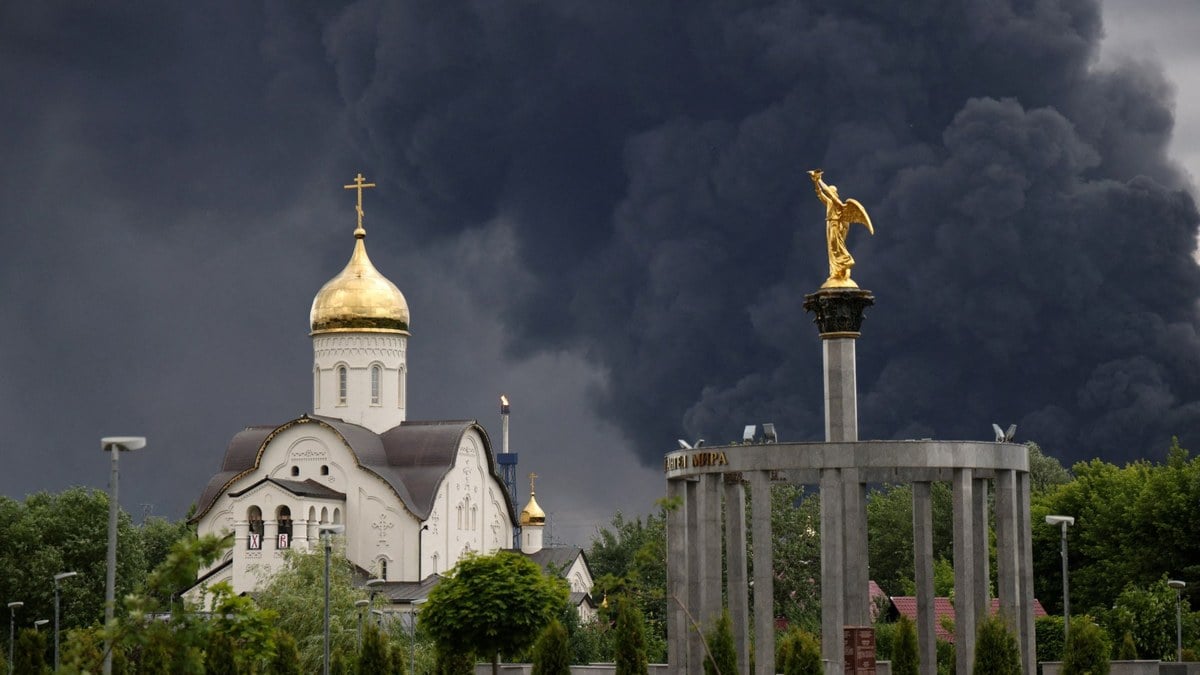
- Ukraine struck the Moscow Oil Refinery twice in one week, causing 'oil rain' across the capital, shutting down six airports, and forcing the refinery—which supplies over 38% of the Moscow region's fuel—to halt operations after fires damaged primary and secondary processing units.
- Ukraine garnered €4bn ($4.6bn) in new military aid commitments from allies for anti-ballistic interceptors, long-range artillery, and unmanned systems, and signed a separate agreement with Germany to develop a European anti-ballistic interceptor missile.
- The EU released €6bn ($6.9bn) in military aid from its European Peace Facility and opened the first of six negotiation clusters for Ukraine's membership, with Zelenskyy urging Brussels to open all remaining clusters simultaneously.
Why It Matters
Putin's public admission that Ukrainian strikes are damaging Russia's economy marks a rare break from his 'everything is recovering' line, and the fiscal math backs it up: defense spending is on track to hit 10% of GDP while consuming two-thirds of all budget revenue—making the expired US sanctions waiver on Russian oil a particularly unwelcome timing for the Kremlin.
Sources Cited
Related Coverage
Ask SkimNews
The day’s news in one short email, every morning.
Free. One email a day. Unsubscribe in one click.