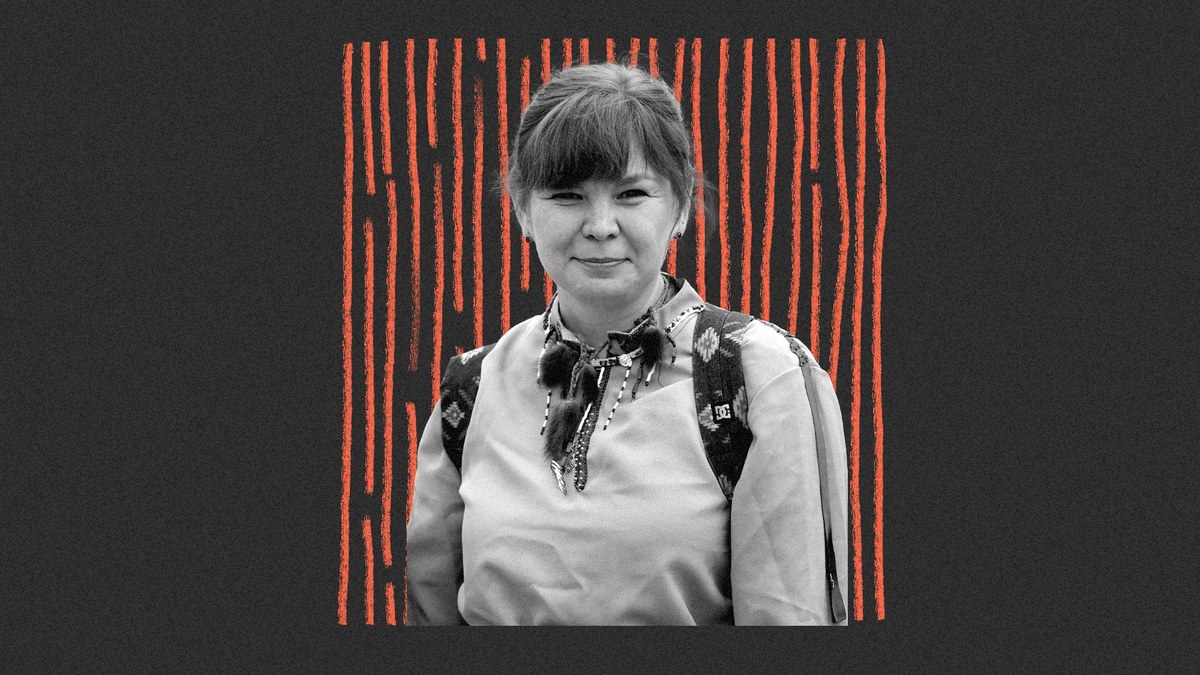
UN officials urge Russia to free Daria Egereva
The 30-Second Skim
- What happened: Ten UN officials have publicly called on Russia to immediately release Indigenous climate advocate Daria Egereva and colleague Natalia Leongardt, who face six‑month detention on terrorism charges and could be sentenced to up to 20 years.
- Key facts & numbers: UN officials wrote a letter urging Russia to immediately release Daria Egereva and Natalia Leongardt, drop terrorism charges, and allow them to continue their human‑rights work; the letter was sent in April and made public last week. Daria Egereva, an Indigenous Selkup and co‑chair of the International Indigenous Peoples Forum on Climate Change, was arrested on December 17 after returning from COP30 and has been jailed for six months on terrorism charges. Natalia Leongardt, a former UN intern who runs educational programs for Indigenous peoples, was arrested alongside Egereva on the same terrorism charges linked to their past involvement in the now‑shut‑down Aborigen Forum.
- What happens next: Everyone’s calling for their release, but the UN also warns the arrests could chill Indigenous voices at global climate talks.
- UN officials wrote a letter urging Russia to immediately release Daria Egereva and Natalia Leongardt, drop terrorism charges, and allow them to continue their human‑rights work; the letter was sent in April and made public last week.
- Daria Egereva, an Indigenous Selkup and co‑chair of the International Indigenous Peoples Forum on Climate Change, was arrested on December 17 after returning from COP30 and has been jailed for six months on terrorism charges.
- Natalia Leongardt, a former UN intern who runs educational programs for Indigenous peoples, was arrested alongside Egereva on the same terrorism charges linked to their past involvement in the now‑shut‑down Aborigen Forum.
- International Indigenous Peoples Forum on Climate Change voted to extend Egereva’s term as a third co‑chair, an unprecedented move to show solidarity with her detention.
Why It Matters
The activists’ continued detention threatens the ability of Indigenous peoples to participate in UN climate negotiations, while the UN’s pressure highlights growing international scrutiny of Russia’s crackdown on civil society; a release would preserve Indigenous advocacy and maintain Russia’s compliance with human‑rights norms.
Sources Cited
Related Coverage
Ask SkimNews