U.S., Israel Strike Iran; Tehran Fires Missiles at Gulf
The 30-Second Skim
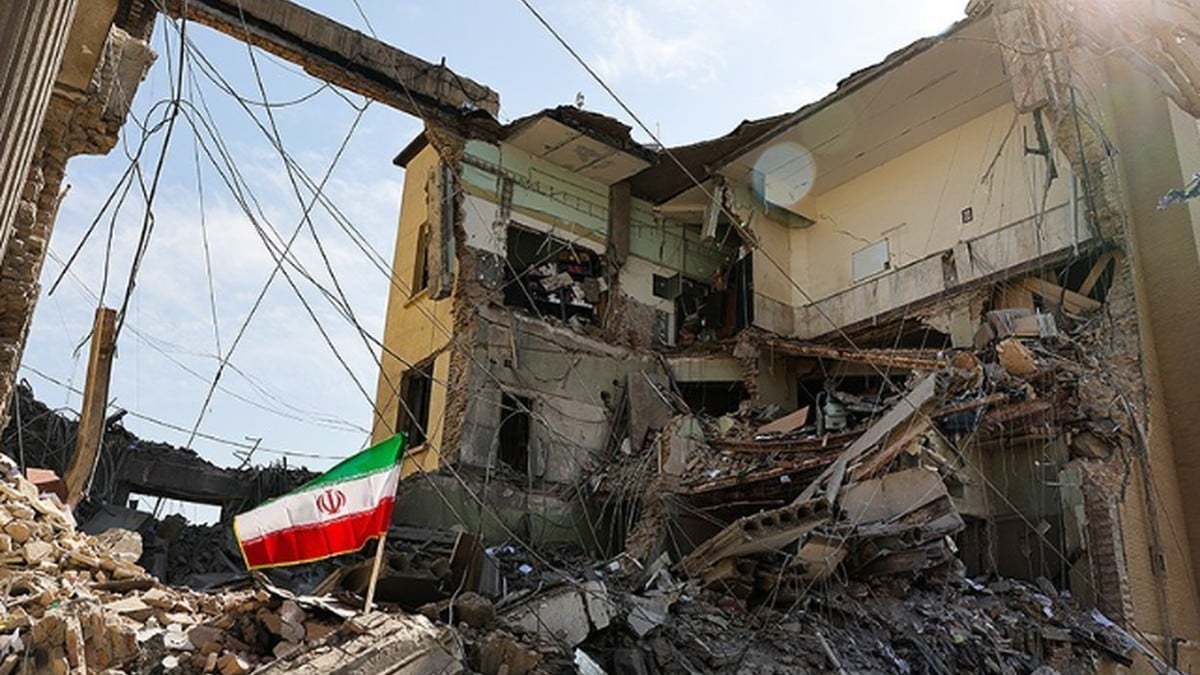
- What happened: The U.S. and Israel launched joint strikes on Iran on Feb. 28, and Tehran retaliated with hundreds of drones and missiles aimed at both Israel and Gulf neighbors it has had functional relations with, betting economic pressure on Washington will outlast superior U.S. firepower.
- Key facts & numbers: U.S. and Israel launched joint military strikes against Iran on Feb. 28, hitting senior officials including Supreme Leader Ali Khamenei, missile facilities, naval assets, and regime security forces sites Iranian air defenses are described as porous: Israeli aircraft operated largely unchallenged over nearly two weeks of sorties last June, and three U.S. warplanes have been hit by friendly fire — three more than Iran has managed to shoot down Tehran's retaliation came almost immediately, firing hundreds of drones and missiles at both Israel and targets across the Gulf, including states with which it had restored diplomatic ties, such as Saudi Arabia three years ago
- What happens next: Iran's air defenses are Swiss cheese — friendly fire has downed more U.S. jets than Iran has — so Tehran's plan is to make the Gulf too expensive to fight over.
- U.S. and Israel launched joint military strikes against Iran on Feb. 28, hitting senior officials including Supreme Leader Ali Khamenei, missile facilities, naval assets, and regime security forces sites
- Iranian air defenses are described as porous: Israeli aircraft operated largely unchallenged over nearly two weeks of sorties last June, and three U.S. warplanes have been hit by friendly fire — three more than Iran has managed to shoot down
- Tehran's retaliation came almost immediately, firing hundreds of drones and missiles at both Israel and targets across the Gulf, including states with which it had restored diplomatic ties, such as Saudi Arabia three years ago
- Iran's strategic bet is that drawing major energy producers and strategic waterways into the fight will impose economic and diplomatic costs on Washington, forcing a shorter U.S. commitment
Why It Matters
Tehran is fighting from weakness — three U.S. jets lost to friendly fire versus zero Iranian aerial kills — betting that dragging Gulf energy producers into the fight pressures Washington into a quick exit. The gamble's downside: pulling neutral states like Saudi Arabia into the crossfire turns them into adversaries Iran cannot fight on a second front.
Sources Cited
- War on the Rocks — The Adversarial: War in Iran Shapes Adversaries’ Calculations
- theguardian.com — The US and Israel are waging war on an Iran they think they know. The reality is very different | Ali Vaez | The Guardian
- brookings.edu — After the strike: The danger of war in Iran | Brookings
- nybooks.com — Trump’s Iran Folly | Joost Hiltermann | The New York Review of Books
- time.com — Trump’s War With Iran, Explained | TIME
- tribune.com.pk — Why Iran will win! | The Express Tribune
Related Coverage
Ask SkimNews