US, Israel Strike 90,000 Iranian Civilian Sites
The 30-Second Skim7 points
- What happenedThe US and Israel have carried out thousands of strikes on roughly 90,000 Iranian civilian sites since launching their offensive on February 28, killing more than 2,000 people and prompting Iranian retaliatory attacks on energy and water infrastructure across Gulf states.
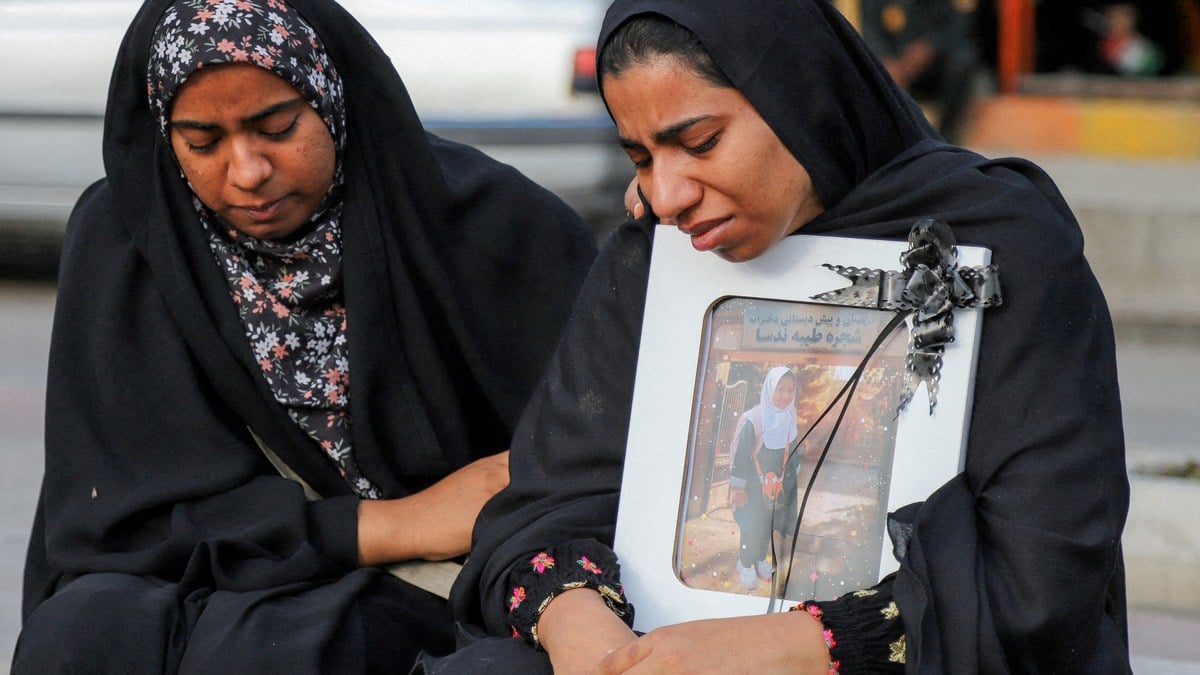
- Key facts & numbersUS and Israeli forces have struck approximately 90,000 civilian sites in Iran since February 28, killing more than 2,000 people, according to Iranian figures cited in the report; Iran retaliated by striking Israel, killing at least 19, and Gulf nations hosting US bases, killing at least 25, plus 13 US soldiers. Shajareh Tayyebeh elementary school in Minab was struck on the war's first day, killing at least 170 people, most of them girls aged 7-12; Al Jazeera and Amnesty International said a US-made Tomahawk missile was likely used deliberately, a claim President Trump denied. Iran's retaliation has hit energy infrastructure across the Gulf: it struck Qatar's Ras Laffan facility (20% of global LNG), Saudi Aramco's Ras Tanura refinery, the UAE's Fujairah and Mussafah terminals, Oman's Duqm port, and Kuwait's Mina al-Ahmadi refinery, halting production at multiple sites.
- What happens nextDay one hit a girls' school, killing 170 kids. Weeks later the targets are desalination plants supplying 90% of Gulf drinking water. The escalation curve is staggering.
- US and Israeli forces have struck approximately 90,000 civilian sites in Iran since February 28, killing more than 2,000 people, according to Iranian figures cited in the report; Iran retaliated by striking Israel, killing at least 19, and Gulf nations hosting US bases, killing at least 25, plus 13 US soldiers.
- Shajareh Tayyebeh elementary school in Minab was struck on the war's first day, killing at least 170 people, most of them girls aged 7-12; Al Jazeera and Amnesty International said a US-made Tomahawk missile was likely used deliberately, a claim President Trump denied.
- Iran's retaliation has hit energy infrastructure across the Gulf: it struck Qatar's Ras Laffan facility (20% of global LNG), Saudi Aramco's Ras Tanura refinery, the UAE's Fujairah and Mussafah terminals, Oman's Duqm port, and Kuwait's Mina al-Ahmadi refinery, halting production at multiple sites.
- Israeli strikes on Iran's energy sector hit Tehran oil facilities on March 8 and the South Pars gasfield — the world's largest natural gas reserve, shared with Qatar — on March 18; Iran retaliated by hitting Ras Laffan again, wiping out 17% of Qatar's LNG capacity and an estimated $20bn in annual revenue.
Why It Matters
The war's targeting of civilian infrastructure — schools, a nuclear power plant, and Gulf desalination plants that supply roughly 90% of the region's drinking water — risks cascading humanitarian and economic fallout far beyond the immediate combatants, with Qatar alone losing 17% of its LNG capacity and an estimated $20bn in annual revenue. Attacking water systems in nations hosting US bases puts direct pressure on Washington's regional alliance architecture.
Sources Cited
Related Coverage
Ask SkimNews
The day’s news in one short email, every morning.
Free. One email a day. Unsubscribe in one click.