U.S. 'Dismayed' as Israel Strikes 30 Iran Fuel Depots
The 30-Second Skim7 points
- What happenedThe U.S. is 'dismayed' by Israel's strikes on 30 Iranian fuel depots Saturday, which went far beyond what Washington expected despite advance military notice, marking the first significant disagreement between the allies since the war began eight days ago.
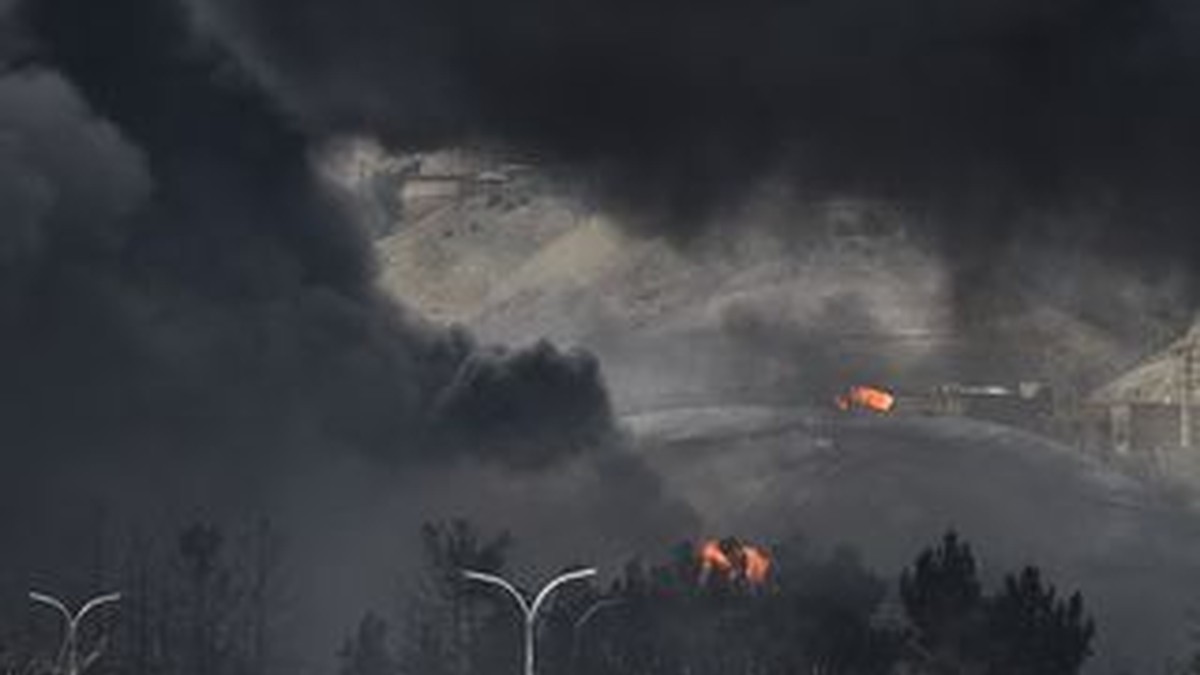
- Key facts & numbersIsrael struck 30 Iranian fuel depots on Saturday, igniting large fires visible for miles across Tehran and blanketing the capital in heavy smoke, with the IDF claiming the depots supply fuel to Iran's military organs. U.S. officials expressed rare public displeasure, with a senior official saying "We don't think it was a good idea" and an Israeli official characterizing the American message as "WTF" — the first significant U.S.-Israel disagreement of the eight-day war. The IDF notified the U.S. military in advance of the strikes, but American officials said they were caught off guard by how wide-ranging the targeting was.
- What happens nextThe U.S. said 'WTF' — that's a direct quote from an Israeli official about Washington's reaction. First real daylight between the allies over what counts proportional.
- Israel struck 30 Iranian fuel depots on Saturday, igniting large fires visible for miles across Tehran and blanketing the capital in heavy smoke, with the IDF claiming the depots supply fuel to Iran's military organs.
- U.S. officials expressed rare public displeasure, with a senior official saying "We don't think it was a good idea" and an Israeli official characterizing the American message as "WTF" — the first significant U.S.-Israel disagreement of the eight-day war.
- The IDF notified the U.S. military in advance of the strikes, but American officials said they were caught off guard by how wide-ranging the targeting was.
- President Trump "doesn't like the attack" and "wants to save the oil," according to a Trump adviser who told Axios, reflecting U.S. fears that footage of burning depots could spook energy markets and push prices higher.
Why It Matters
The first public U.S.-Israel split in the eight-day war exposes a strategic divide: Trump wants to preserve oil supplies and avoid a popular Iranian backlash, while Israel is targeting fuel infrastructure that could strengthen Tehran's regime. Iran's explicit $200-a-barrel threat gives Washington a concrete economic cost to weigh against its ally's escalation, and U.S. officials say the dispute will be addressed at senior political levels.
Sources Cited
Related Coverage
Ask SkimNews
The day’s news in one short email, every morning.
Free. One email a day. Unsubscribe in one click.