Iran targets US Gulf bases, 13 deemed uninhabitable
The 30-Second Skim7 points
- What happenedIran’s drone and missile attacks have turned U.S. Gulf bases into vulnerable targets, exposing the limits of America’s forward‑deployment deterrence and prompting calls for a strategic reassessment of the region’s security architecture.
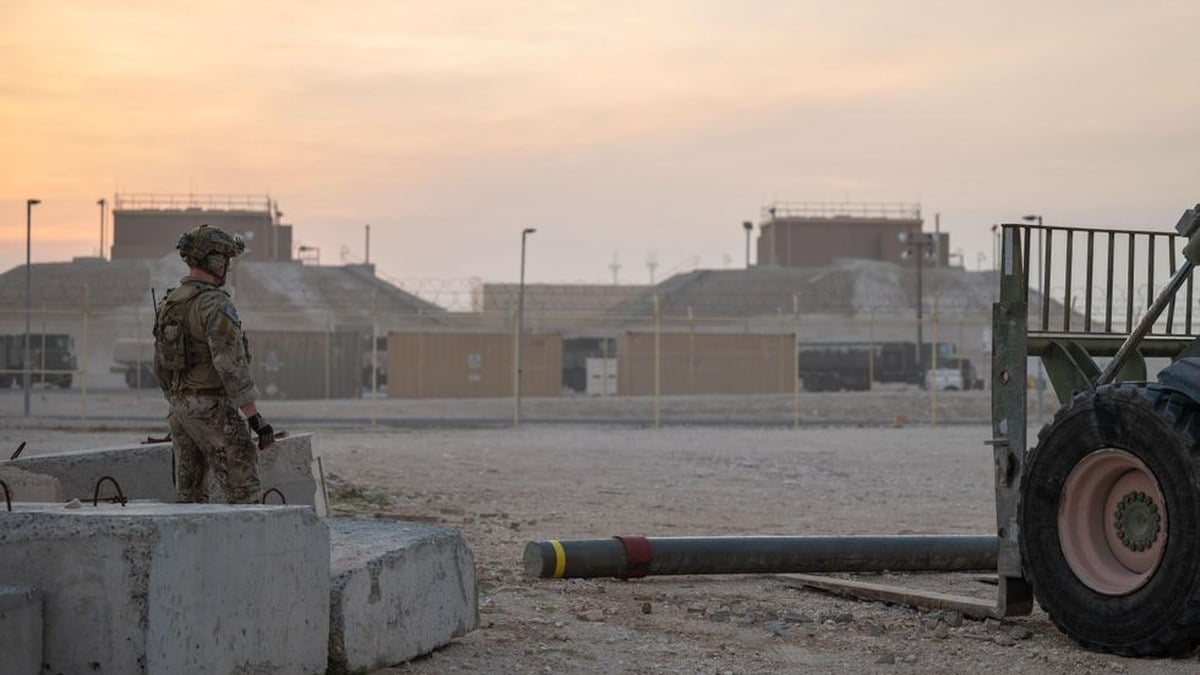
- Key facts & numbersU.S. maintains a dense network of 13 bases across the Gulf, including the Fifth Fleet in Bahrain, Al Udeid in Qatar, Al Dhafra in the UAE, and multiple sites in Kuwait and Saudi Arabia. Iran has used drones, cruise missiles and proxy forces to strike critical infrastructure such as Saudi oil facilities in 2019, demonstrating the ability to bypass U.S. naval and air defenses. Satellite imagery shows that all 13 U.S. bases in the Gulf have become uninhabitable, and their proximity to civilian infrastructure heightens the risk of spill‑over damage from attacks.
- What happens nextHeadlines call US bases a liability; the article notes Gulf regimes cling to them and that all 13 bases are deemed uninhabitable—miss.
- U.S. maintains a dense network of 13 bases across the Gulf, including the Fifth Fleet in Bahrain, Al Udeid in Qatar, Al Dhafra in the UAE, and multiple sites in Kuwait and Saudi Arabia.
- Iran has used drones, cruise missiles and proxy forces to strike critical infrastructure such as Saudi oil facilities in 2019, demonstrating the ability to bypass U.S. naval and air defenses.
- Satellite imagery shows that all 13 U.S. bases in the Gulf have become uninhabitable, and their proximity to civilian infrastructure heightens the risk of spill‑over damage from attacks.
- Gulf states remain reluctant to curtail the U.S. presence because their security institutions are deeply integrated with American training, logistics, intelligence, and arms procurement, creating political dependence.
Why It Matters
Gulf states face heightened economic and security risk as Iranian attacks bypass U.S. defenses, while the United States’ forward‑deployment model loses credibility; adopting a leaner, non‑basement partnership—exemplified by Pakistan—could lower exposure for host nations, preserve diplomatic flexibility, and reduce the chance that U.S. bases become targets that could spill over into civilian infrastructure.
Sources Cited
- Responsible StatecraftHow massive US footprint in the Gulf became a bullseye overnight
- Anadolu AjansıAnadolu Ajansı
- CSIS | Center for Strategic and International StudiesIf Compute is the New Oil, War in the Gulf Significantly Raises the Stakes
- The New York TimesOpinion | Trump Is Making Jimmy Carter’s Mistake on Iran and Oil
Related Coverage
Ask SkimNews
The day’s news in one short email, every morning.
Free. One email a day. Unsubscribe in one click.