Iran Warns Hormuz Route Changes Will Spike Tensions
The 30-Second Skim7 points
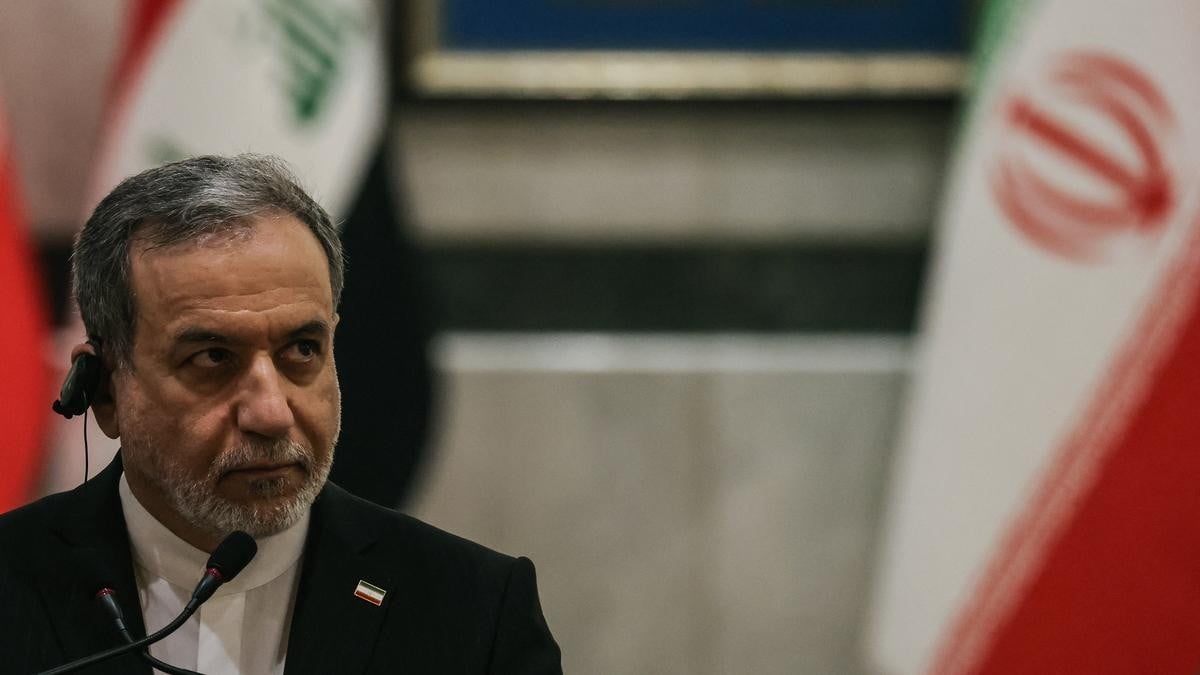
- What happenedIran's foreign minister warned that any attempt to bypass its preferred Hormuz shipping arrangement would spike West Asia tensions and delay the strait's reopening, as U.S. and Iranian forces continued trading attacks across the vital waterway.
- Key facts & numbersAbbas Araghchi warned that any attempt to adopt "new or separate arrangements" compared to Iran's preferred Hormuz route would "increase tensions" and cause "delays in the reopening" of the strait, urging all parties to adhere to the existing memorandum of understanding. Iran's Revolutionary Guards said Sunday they were taking new measures to control traffic through the Strait of Hormuz and would deal with violating vessels "more firmly than before." U.S. and Iranian forces continued trading attacks across the vital seaway, the backdrop to Araghchi's Sunday (June 28, 2026) warning.
- What happens nextBuried in the Hormuz roundup: an Israeli captain killed in Lebanon two days after a ceasefire deal was signed. That deal is already fraying.
- Abbas Araghchi warned that any attempt to adopt "new or separate arrangements" compared to Iran's preferred Hormuz route would "increase tensions" and cause "delays in the reopening" of the strait, urging all parties to adhere to the existing memorandum of understanding.
- Iran's Revolutionary Guards said Sunday they were taking new measures to control traffic through the Strait of Hormuz and would deal with violating vessels "more firmly than before."
- U.S. and Iranian forces continued trading attacks across the vital seaway, the backdrop to Araghchi's Sunday (June 28, 2026) warning.
- Captain David Hazutt, a 21-year-old Israeli platoon commander, was killed in combat in southern Lebanon two days after Israel and Lebanon signed an agreement aimed at ending hostilities.
Why It Matters
Iran's warning that any deviation from its preferred Hormuz arrangement would spike tensions and delay the strait's reopening signals Tehran will police the waterway unilaterally and treat alternative routing as provocation. The killing of an Israeli captain in southern Lebanon just two days after Israel and Lebanon signed a ceasefire agreement shows that track is already fraying alongside the Hormuz standoff.
Background & Timeline
- ContextIran's warning reveals a tempo-based leverage mechanism: the longer Hormuz stays closed, the more pressure builds on other users to accept Tehran's preferred routing — making the disruption itself the bargaining clock.
Sources Cited
Related Coverage
Ask SkimNews
The day’s news in one short email, every morning.
Free. One email a day. Unsubscribe in one click.