US Vows Toughest Sanctions on Iran; China Pushes Back
The 30-Second Skim7 points
- What happenedU.S. Treasury Secretary Scott Bessent announced the "toughest sanctions in history" against Iran on August 20, 2026, framing economic warfare as a substitute for further military strikes, while China publicly rejected the U.S. approach.
- Key facts & numbersScott Bessent declared on August 20, 2026 that the U.S. will impose "the toughest sanctions in history" on Iran, suggesting economic isolation would reduce the need for new major military operations. Donald Trump threatened a day earlier of "Economic Warfare" against Iran and warned of consequences for any country providing "any type of lifeline to Iran." The United States pressed allies and China to join the campaign to isolate Iran's economy, with Washington vowing to "collapse this regime" in Tehran.
- What happens nextReal story: secondary-sanctions threat to every country trading with Iran. China already said no. So who else blinks before "Economic Warfare" even starts?
- Scott Bessent declared on August 20, 2026 that the U.S. will impose "the toughest sanctions in history" on Iran, suggesting economic isolation would reduce the need for new major military operations.
- Donald Trump threatened a day earlier of "Economic Warfare" against Iran and warned of consequences for any country providing "any type of lifeline to Iran."
- The United States pressed allies and China to join the campaign to isolate Iran's economy, with Washington vowing to "collapse this regime" in Tehran.
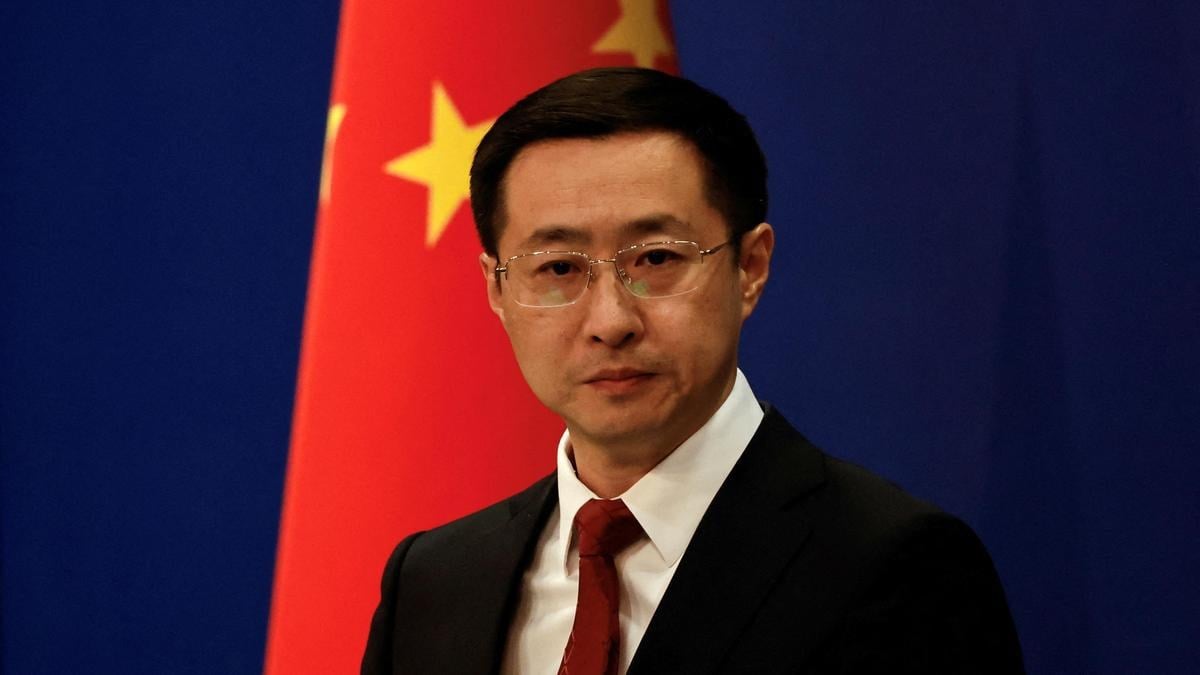
- China publicly rejected the U.S. strategy, stating that "sanctions and pressure" on Iran are not a solution.
Why It Matters
The U.S. is betting that punishing any country trading with Iran can substitute for further military escalation, but the campaign only works if China and other major buyers comply. Beijing's public dismissal means the "toughest sanctions in history" threat may be unenforceable against Iran's largest remaining customer, forcing Washington to either escalate against third parties or watch the coalition fracture.
Background & Timeline
- ContextWith sanctions explicitly framed as a substitute for further military strikes, the escalation ceiling has shifted from kinetic to financial — making China's public rejection a signal that U.S. economic containment now depends on Beijing's willingness to enforce it.
Sources Cited
- Business StandardChina's state refiners explore Iranian oil after US sanctions waiver
Related Coverage
Ask SkimNews
The day’s news in one short email, every morning.
Free. One email a day. Unsubscribe in one click.